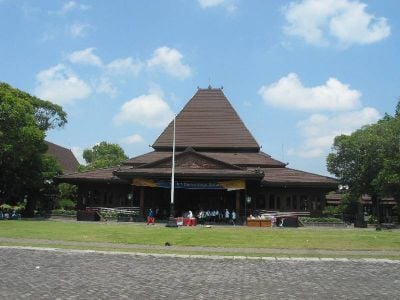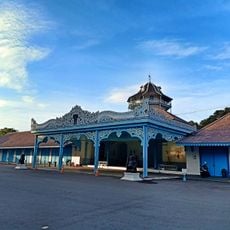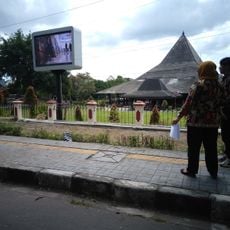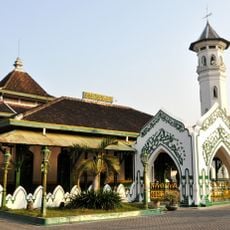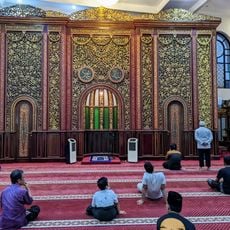
Arsitektur dan peninggalan sejarah di Surakarta, Historical architecture in Surakarta, Indonesia
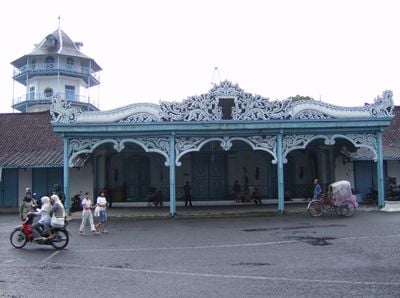
Surakarta is a city organized around a central palace, with wide boulevards extending toward Mount Merbabu in the northwest that shape the urban layout. The city comprises distinct neighborhoods, including Chinese and Arab settlements, each with their own character and community structures.
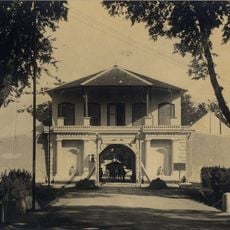
The city began as a sultanate and later received a fort called Vastenburg, built by Dutch colonial forces in the city center to monitor the sultanate's activities. This fortification influenced how the city developed and took shape.
The Kauman quarter near the palace houses Islamic scholars and their families, who maintain religious traditions through daily gatherings and community life in their residential spaces. You can see how religion shapes the rhythm and organization of this historic district.
Walking through the different neighborhoods is the best way to understand the city layout, starting from the palace area and moving toward the market districts. Each area has its own pace and structure, so allow time to explore different sections at a leisurely tempo.
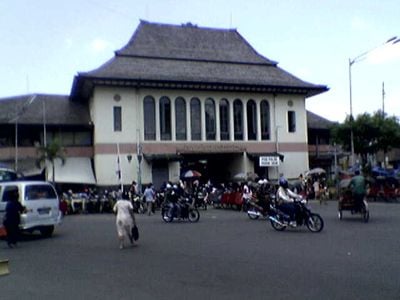
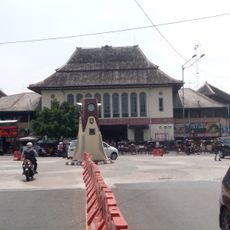
Pasar Gede Hardjonagoro market was designed by Dutch architects in 1930, blending traditional market functions with European building elements in an unusual combination. This structure shows how local and colonial influences coexisted in the city's development.
The community of curious travelers
AroundUs brings together thousands of curated places, local tips, and hidden gems, enriched daily by 92,646 contributors worldwide.