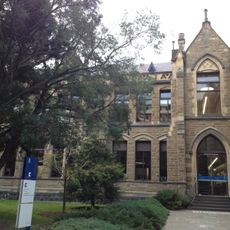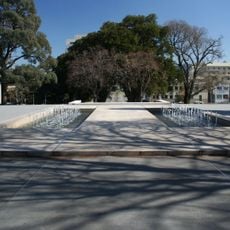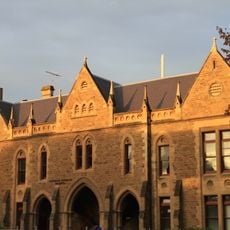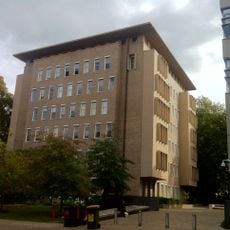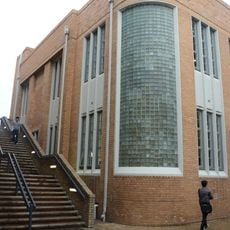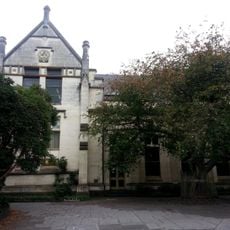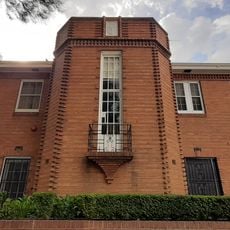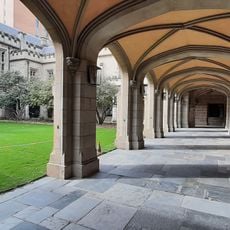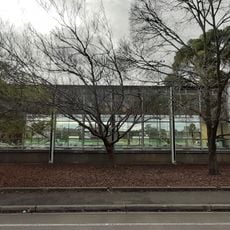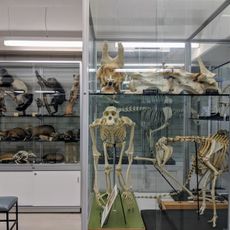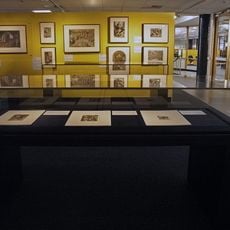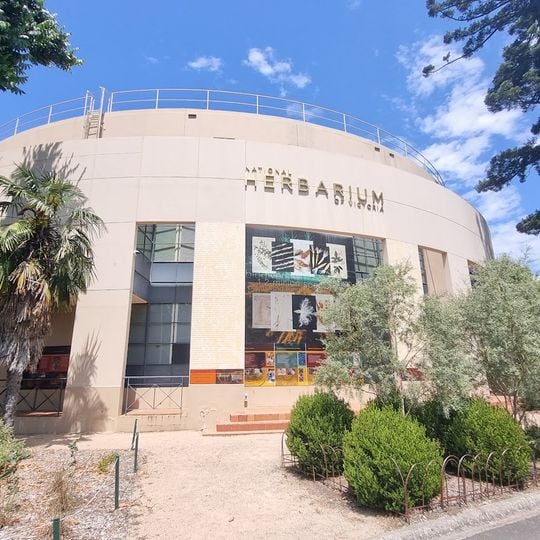
University of Melbourne Herbarium, Herbarium at University of Melbourne, Australia.
The University of Melbourne Herbarium is a research facility housed in the School of BioSciences that holds around 150,000 preserved plant specimens, along with fungi, lichens, bryophytes, and marine algae. The specimens are organized and maintained by staff who continue to add to the collection from botanical fieldwork and institutional exchanges.
The herbarium was officially established in 1926, when Reverend Montague Rupp offered about 5,000 non-orchid specimens from his personal collection to his alma mater, Trinity College; the specimens went to the botany department, where wooden cupboards were built for them. It was listed in the Index Herbariorum in 1974 and became a data provider with the Atlas of Living Australia in 2014.
The herbarium's name origin lies in its 1926 founding, when Reverend Montague Rupp gave about 5,000 non-orchid specimens to Trinity College, his alma mater; the botany department received them and had wooden cupboards built to house the collection. Today MELU is a working research collection, and its Index Herbariorum code is MELU.
The facility is open on weekdays and located in the biological sciences building on campus, which is accessible by public transportation. It is helpful to contact ahead if you want to view specific collections or work with research staff.
The herbarium holds the Wilsons Promontory Virtual Herbarium and watercolours of Victorian fungi painted by Malcolm Howie (1900–1936). It also keeps algae collected by Sophie Charlotte Ducker (1909–2004) in Madagascar and the Mascarene Islands, and 226 plant species gathered for the Mt Buffalo Miegunyah Collection.
The community of curious travelers
AroundUs brings together thousands of curated places, local tips, and hidden gems, enriched daily by 94,714 contributors worldwide.