Wingecarribee Swamp, swamp in New South Wales, Australia
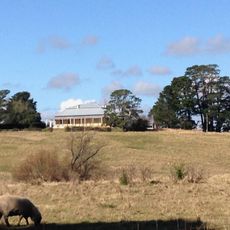
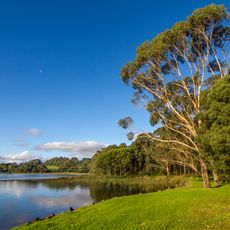
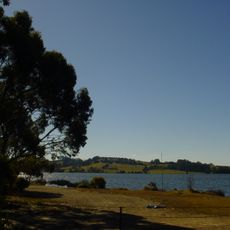
Wingecarribee Swamp is a wetland in New South Wales situated on sandstone landforms at higher elevations, composed of waterlogged and peat-rich soils that remain wet most of the year. It supports specialized plants including sedges, grasses, herbs, and small shrubs, along with reptiles, frogs, small mammals, and various bird species adapted to these wet conditions.
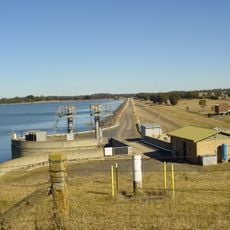
Wingecarribee Swamp formed after the last ice age around 15,000 years ago and is one of the oldest montane mires in southeast Australia. Over time the area was used for peat mining, grazing, and controlled burning, until a reservoir was built in 1974 that raised water levels and eventually contributed to a partial collapse of the swamp during heavy rains in 1998.
The swamp holds significance as a place where water, plants, and animal life form a delicate balance visible in how the landscape is shaped. For visitors, walking through it reveals how communities of organisms depend on specific wet conditions to survive.
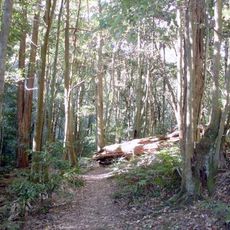
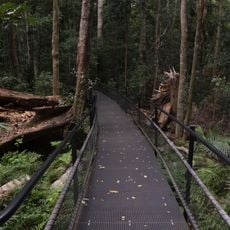
The area is protected and requires careful movement along designated paths, as the ground in some sections can be unstable and stepping off marked routes causes damage. Weather and visibility can change quickly, so it is wise to bring appropriate gear and check local conditions before visiting the swamp.
The Wingecarribee gentian grows only here and is one of four threatened plant species that make this location special. The deep peat material, reaching up to 10 meters in some spots, preserves fossils and ancient plant remains that help scientists understand climate changes and ecosystem development over thousands of years.
The community of curious travelers
AroundUs brings together thousands of curated places, local tips, and hidden gems, enriched daily by 60,000 contributors worldwide.