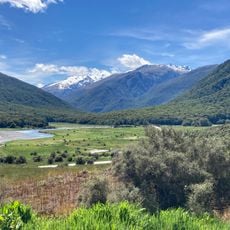
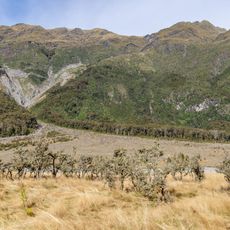
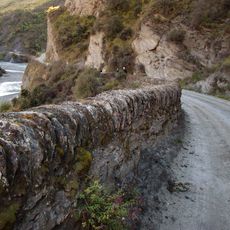
Mount Aspiring, Glaciated summit in Southern Alps, New Zealand
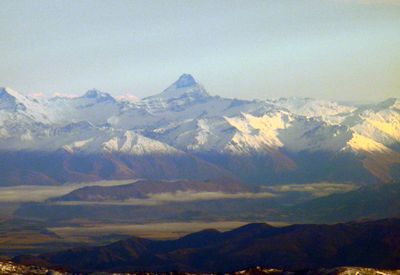
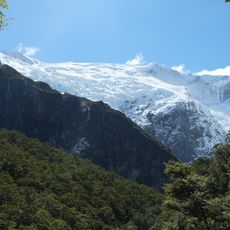
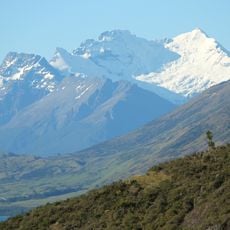
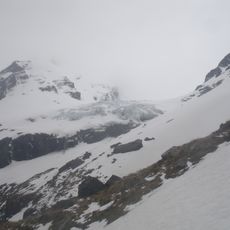
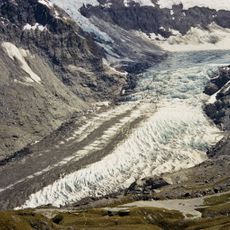
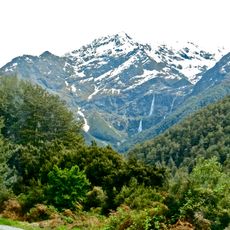
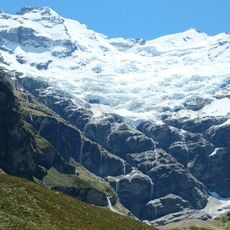
Mount Aspiring is a 3,033 meter (9,951 foot) summit in the Southern Alps and the highest peak outside the Aoraki Mount Cook region. The mountain features steep slopes with multiple glaciers covering its flanks and upper reaches.
The first successful ascent took place in 1909, led by Major Bernard Head with guides Jack Clarke and Alec Graham. Since then, it has become a destination for mountaineers seeking technical climbing challenges.
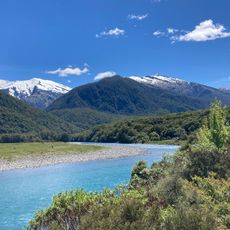
The Māori name Tititea refers to a chief of the Waitaha iwi, the first people to settle the South Island. The mountain is also called "the Matterhorn of the South" for its pyramidal peak seen from the Matukituki River. Its name was given to Mount Aspiring National Park at its creation in 1964, and the official name became Mount Aspiring / Tititea in 1998 under the Ngāi Tahu Claims Settlement Act.
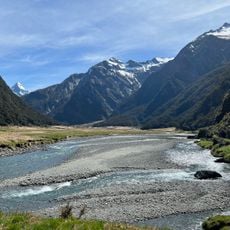
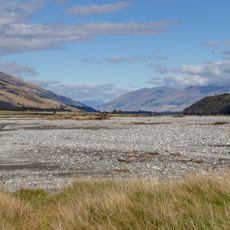
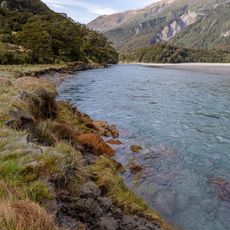
Access to the mountain is typically from Wanaka, via the West Matukituki Valley leading to Raspberry Flat as the main staging area. From there, climbers face a multi-day journey involving hiking and technical rock and ice climbing.
The first ascent, on 23 November 1909, went up the west face from the Bonar Glacier; that route was not repeated until 1965. The mountain's name was used for Mount Aspiring National Park when it was created in 1964, and the official name became Mount Aspiring / Tititea in 1998 under the Ngāi Tahu Claims Settlement Act.
The community of curious travelers
AroundUs brings together thousands of curated places, local tips, and hidden gems, enriched daily by 93,410 contributors worldwide.