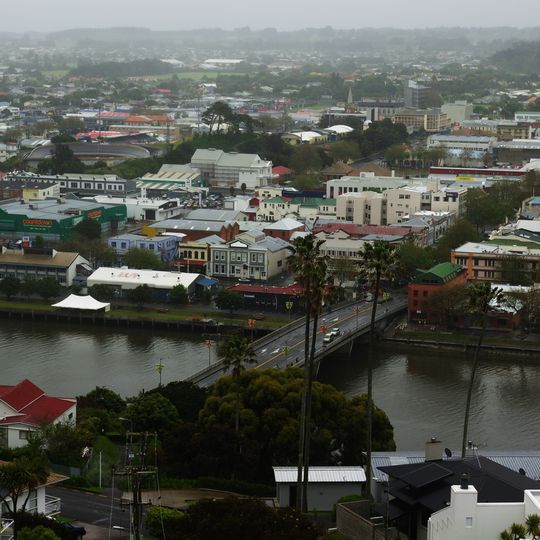
Whanganui, Coastal city in Manawatū-Whanganui region, New Zealand
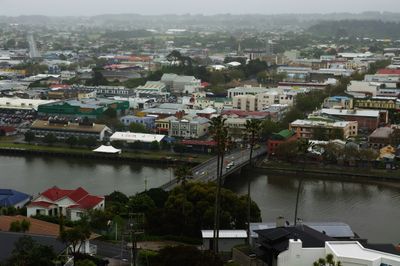
Whanganui is a settlement on the west coast of New Zealand's North Island, situated at the mouth of the river of the same name where it meets the Tasman Sea. The eastern neighborhoods extend gently uphill from the waterfront, while the western sections remain flatter and wind through low-rise residential streets.
European settlers arrived in the early 1840s and established one of the first planned settlements on the North Island following the model used in Wellington. The river served as the main transport route inland for many years before roads and rail lines were added in later decades.
The name comes from a Māori word referring to the river and its harbor, and it remains the primary geographic reference for residents and visitors today. The town is often seen as a gateway to Whanganui National Park, and many locals maintain connections to the communities upstream.
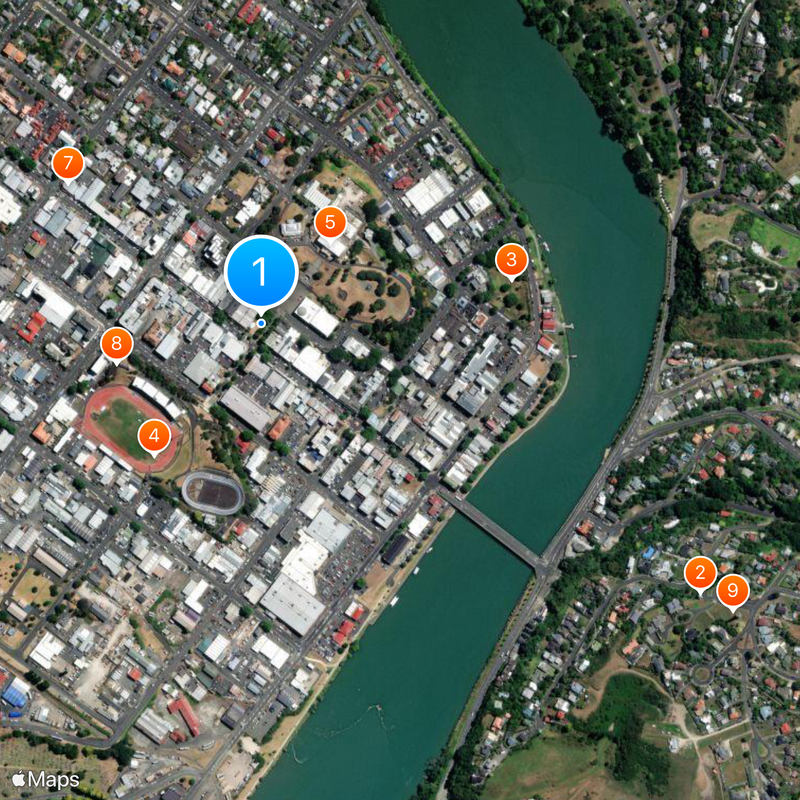
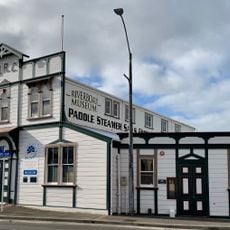
The town is easy to explore on foot or by bicycle, and most points of interest lie close together along the riverfront. The best months to visit are from November through April, when the weather is milder and pathways remain dry.
The river was granted legal personhood in 2017, placing the protection of its ecosystem on an entirely new legal footing. This decision reflects both the cultural value of the waterway to local Māori communities and a growing respect for natural systems.
The community of curious travelers
AroundUs brings together thousands of curated places, local tips, and hidden gems, enriched daily by 90,871 contributors worldwide.