Taupō Volcanic Zone, Volcanic territory in North Island, New Zealand
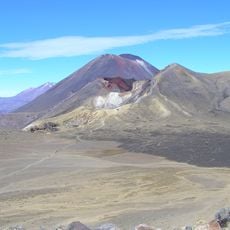
The Taupō Volcanic Zone is a volcanic region on New Zealand's North Island that spans several hundred kilometers. It contains numerous active geothermal areas with geysers, mud pools, and steam vents that visitors can observe along accessible walking trails.
The zone has been volcanically active for at least two million years. The Oruanui eruption about 25,580 years ago ejected an estimated 1,170 km³ of material, the most recent VEI-8 eruption on Earth, and formed the caldera now filled by Lake Taupō. The Hatepe eruption around 232 CE emptied the lake and spread ash over roughly 20,000 km². The 1886 Tarawera eruption killed over 100 people.
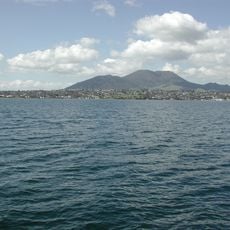
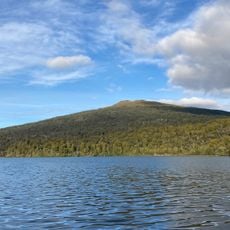
The zone takes its name from Lake Taupō, the flooded caldera of the Taupō Volcano, the largest volcano in the zone. The lake itself was formed by the Oruanui eruption about 25,580 years ago. Visitors can see steaming fumaroles and hot ground at fields such as Wairakei, Orakei Korako and Wai-O-Tapu, where the heat comes from a magma layer roughly 10 km below the surface.
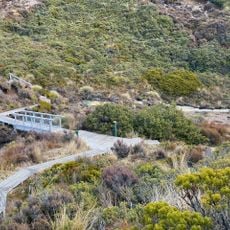
Wear sturdy footwear since trails cross geothermal areas with uneven ground. Most locations are clearly marked and easy to reach, though it helps to check ahead which sites are accessible when you plan your visit.
Beneath the surface, the Earth's crust here is remarkably thin, allowing the intense geothermal activity that defines the area. This thin crust layer is why steam and hot water emerge so frequently at the surface.
The community of curious travelers
AroundUs brings together thousands of curated places, local tips, and hidden gems, enriched daily by 94,459 contributors worldwide.