Muriwai, human settlement in New Zealand
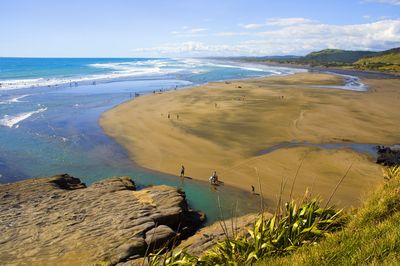
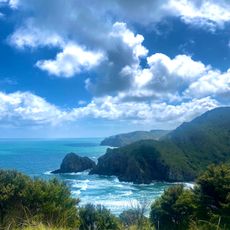
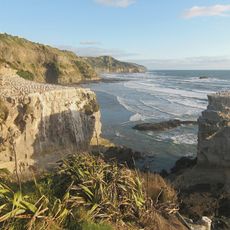
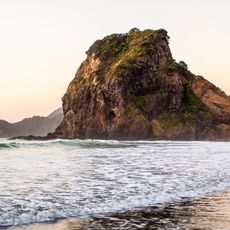
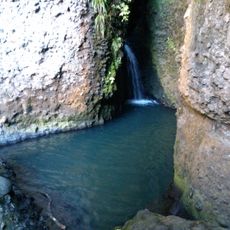
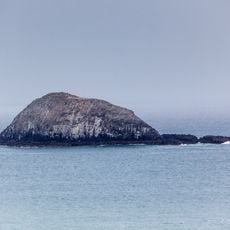
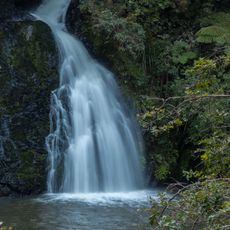
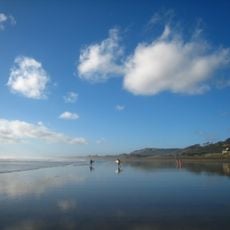
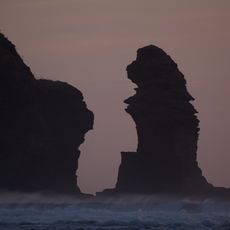
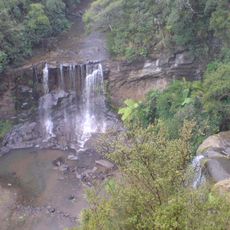
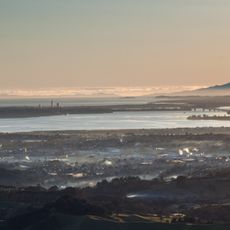
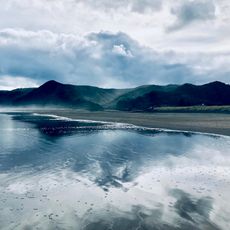
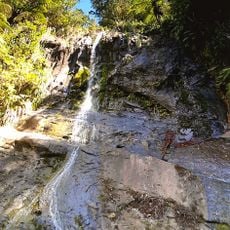
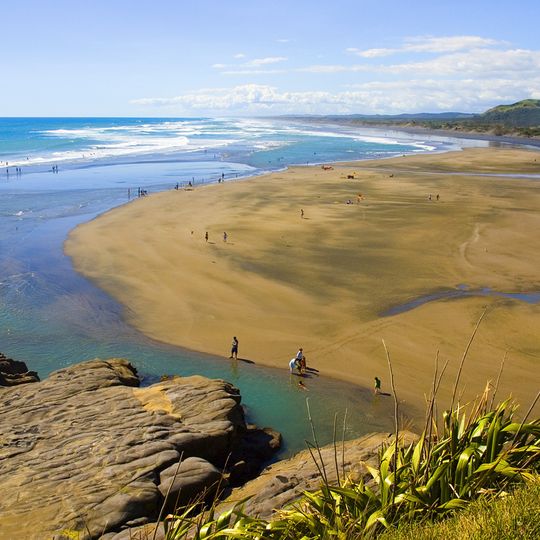
Muriwai is a small coastal community on the west side of the Auckland Region with a black sand beach and dramatic cliffs. The beach stretches for many kilometers and is formed by volcanic rock, giving the landscape a wild and rugged character.
The area formed millions of years ago from volcanic material pushed up by the sea. In the late 1800s and early 1900s, a flax mill and school operated here, and during World War II the site housed a soldiers' camp and briefly hosted US Marines.
Muriwai was sacred to the Māori people of Te Kawerau ā Maki, who saw it as a passage where spirits departed the world, and its name means 'End of the Water'. Today visitors and locals enjoy surfing, horseback riding, and walking, with surf shops and cafes creating a laid-back environment centered on nature and outdoor pursuits.
You can reach Muriwai by car in about 40 minutes from Auckland city center, with parking available at the beach and nearby spots. Swim only in areas with lifeguards present, as currents can be strong, especially on rough days.
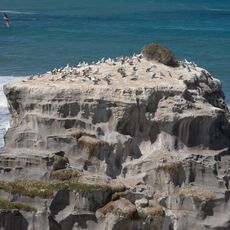
A distinctive feature is the large gannet colony nesting on the cliffs, particularly active from August to March, which you can watch from viewing platforms as the birds busily tend their nests. Visitors often overlook that the sand's black color comes from iron derived from the area's volcanoes.
The community of curious travelers
AroundUs brings together thousands of curated places, local tips, and hidden gems, enriched daily by 92,658 contributors worldwide.