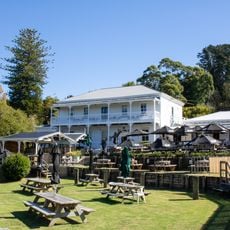
Tāwharanui Regional Park, Regional park and natural sanctuary on Kawau Bay, New Zealand.
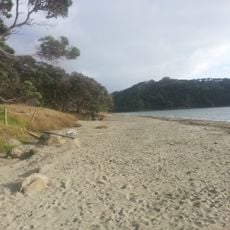
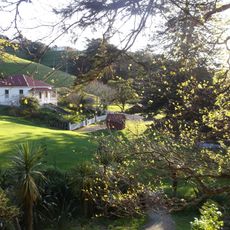
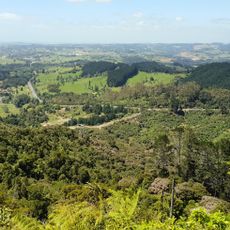
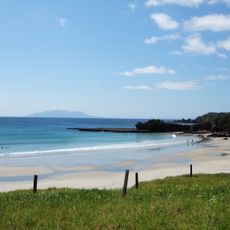
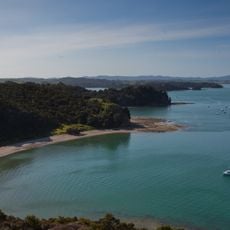
Tāwharanui Regional Park is a nature reserve on a peninsula in the Rodney region of New Zealand, covering sandy beaches, rocky shores, wetlands, and native forest. The park sits along the northern edge of Kawau Bay, where the land narrows into open sea on three sides.
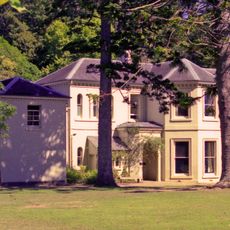
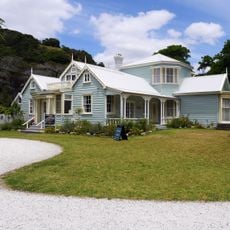
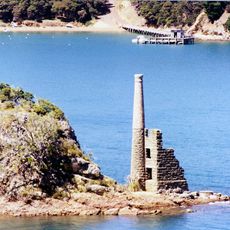
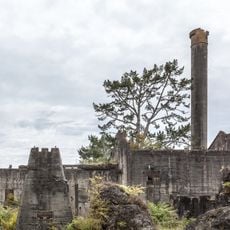
The peninsula was settled by Tāmaki Māori tribes, including Ngāti Tahuhu and Kawerau, until the 1870s, and two pā sites lie within the park. In the 1870s the land was purchased and farmed by the Martin, Jones and Young families, who milled kauri and mined slate; the flooded mine became the Jones Bay lagoon. The regional park was created from land bought from the Goergetti family in 1973.
The name Tāwharanui refers to the edible flower bracts of the kiekie vine, pointing to the plant's former abundance here. Two traditional pā sites lie within the park, one on the headlands above Jones Bay and one north at Anchor Bay. The Tāwharanui Open Sanctuary Society supports Auckland Council through fundraising and volunteer work.
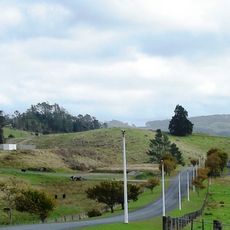
There are no shops or services inside the park, so it is worth stocking up on water and food in nearby towns like Warkworth or Matakana before arriving. The access road is unpaved and can get muddy after rain, so a vehicle with reasonable ground clearance makes the drive easier.
The 2.5 km predator-proof fence crosses the peninsula rather than circling the whole park, turning the tip into a mainland island. After an aerial poison drop in 2004, black rats, brown rats, feral cats, possums, weasels, stoats and ferrets were eliminated, but mice, rabbits and hedgehogs still live inside.
The community of curious travelers
AroundUs brings together thousands of curated places, local tips, and hidden gems, enriched daily by 95,288 contributors worldwide.