Mutawintji National Park, Nature reserve in Far West region of New South Wales, Australia.
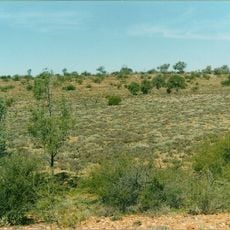
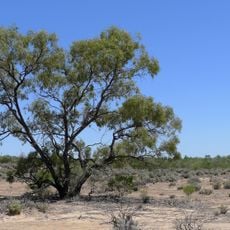
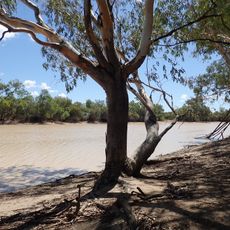
Mutawintji National Park covers 68,912 hectares of the Byngnano Range, a mulga-clad ridge cut by gorges, rockpools and creek beds lined with red gums. Caves and overhangs in the range hold Aboriginal rock art and engravings. The park lies about 130 kilometres north-east of Broken Hill.
In 1979 the Foundation for National Parks & Wildlife bought and fenced 100 square kilometres in the Coturaundee Ranges to protect the yellow-footed rock wallaby, the last population of the species in New South Wales. Fox eradication then secured its survival, and numbers recovered from a low in 1995 to 300–400 animals. In 1998 the park, historic site and nature reserve were transferred to the Mutawintji Local Aboriginal Land Council and leased back to NSW National Parks, the first arrangement of its kind in the state.
Rock art scattered throughout the park shows emus and kangaroos, telling the story of Indigenous peoples who have belonged to this landscape for generations. You can see these images carved directly into the rocks as you walk through the gorges.
The park entrance is roughly 130 kilometers northeast of Broken Hill, with service facilities and supplies closest to the town of White Cliffs. Plan for a full travel day when visiting and check conditions in advance since the area is quite remote.
The yellow-footed rock-wallaby population here is the last in New South Wales; after a low point in 1995 it recovered to 300–400 animals, helped by fox eradication funded in the reserve. In 1979 the Foundation for National Parks & Wildlife bought and fenced 100 square kilometres in the Coturaundee Ranges for the wallabies, land now part of the park.
The community of curious travelers
AroundUs brings together thousands of curated places, local tips, and hidden gems, enriched daily by 93,452 contributors worldwide.