Glenbawn Dam, Embankment dam in New South Wales, Australia
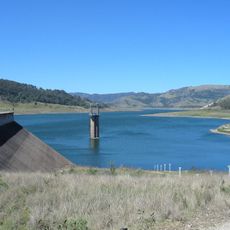
Glenbawn Dam is an ungated earth and rock fill embankment dam with a clay core and concrete chute spillway across the Hunter River, about 14 kilometres east of Scone. Its wall stands 100 metres high and 1,125 metres long, impounding Lake Glenbawn, which covers 2,614 hectares.
Glenbawn Dam was authorised by the Glenbawn Dam Act, 1946, which set aside A£1,500,000 for its construction. Work began in late 1947 and finished in late 1957, built by the New South Wales Water Conservation & Irrigation Commission for irrigation and flood mitigation. A 1987 upgrade raised the wall from 78 to 100 metres.
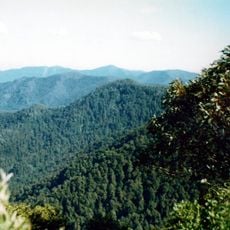
The name Glenbawn comes from a riverside property that was resumed to make way for part of the storage area. The dam and its reservoir, Lake Glenbawn, sit beside Lake Glenbawn State Park, a nature reserve where visitors go water skiing and fishing from boats or the shore.
Glenbawn Dam stands about 14 km east of Scone on the upper Hunter River, reached from the New England Highway. The dam wall is 1,125 m long and 100 m high, and the lake's 2,614 ha surface is used for water skiing and fishing from boats or the shore. Lake Glenbawn State Park adjoins the dam and lake.
Glenbawn Dam's hydro-electric station was completed in January 1995 and is managed by AGL Energy. It generates up to 5.5 megawatts from water leaving the dam, averaging 4.4 gigawatt-hours a year. The dam is run together with Glennies Creek Dam, and the pair may be upgraded to pumped-storage hydroelectricity.
The community of curious travelers
AroundUs brings together thousands of curated places, local tips, and hidden gems, enriched daily by 93,480 contributors worldwide.