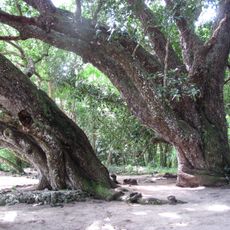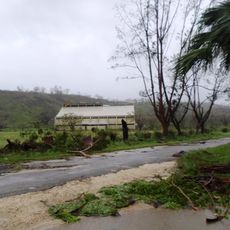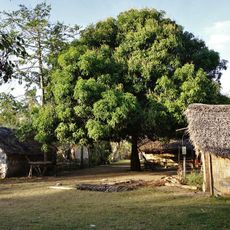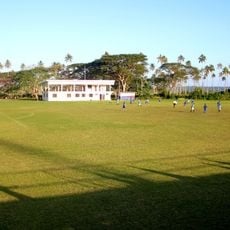
New Hebrides, Historical territory in southwestern Pacific Ocean, Vanuatu.
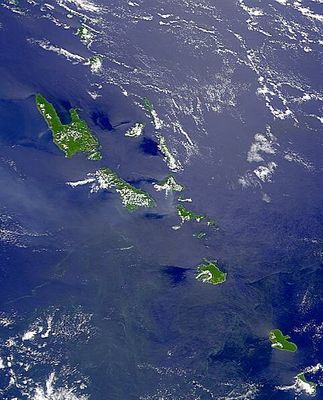
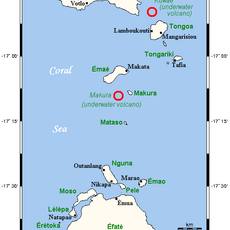
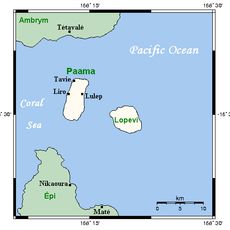
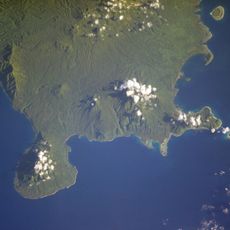
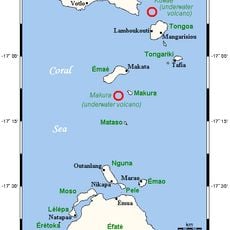
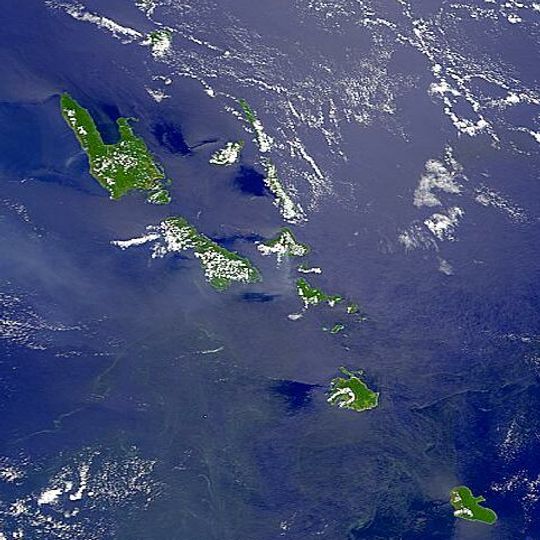
New Hebrides was an island territory in the southwestern Pacific, consisting of about 13 principal islands arranged in a Y-shaped chain spanning several hundred kilometers. The territory was divided into British and French administrative zones, with each power maintaining its own administrative structures, courts, and officials.
The islands came under joint British-French administration in 1906, an arrangement that developed from competition between the powers. This condominium ended in 1980 when the islands gained independence and became the Republic of Vanuatu.
Residents spoke several Melanesian languages alongside Pidgin, while European administrations maintained separate schools teaching their own languages and customs. This linguistic patchwork shaped daily life and made the islands a place where multiple cultures coexisted in close contact.
Visitors should understand that the islands operated under two parallel administrative systems, which made travel and official matters complicated. People moving between the areas often needed permits and documents from both authorities.
An unusual feature was the mixed judiciary, where complex cases could be heard before a tribunal made up of judges from both nations plus an arbitrator appointed by Spain. This curious arrangement meant that legal questions were sometimes settled in creative and occasionally fragmented ways.
The community of curious travelers
AroundUs brings together thousands of curated places, local tips, and hidden gems, enriched daily by 92,791 contributors worldwide.