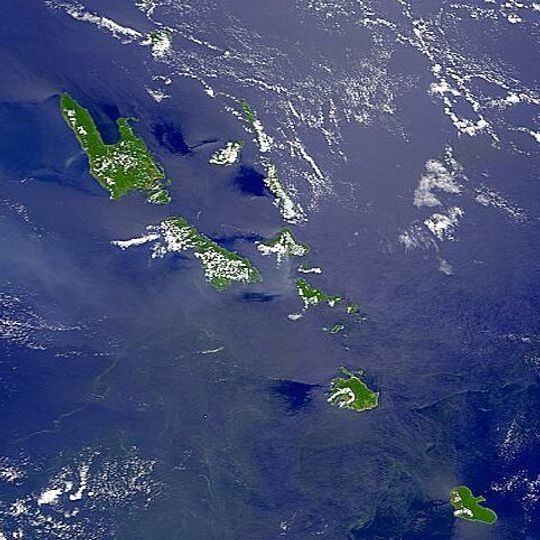
New Hebrides, Island group in South Pacific Ocean, Vanuatu
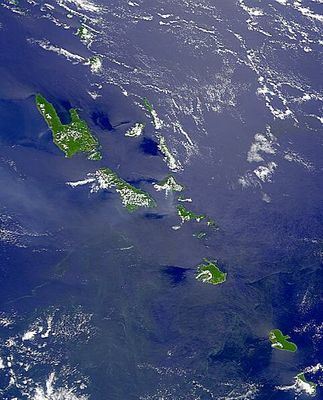
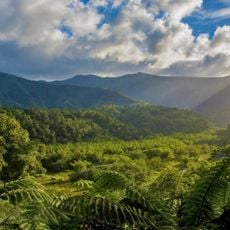
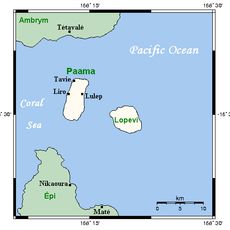
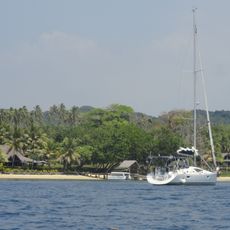
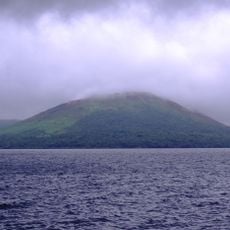
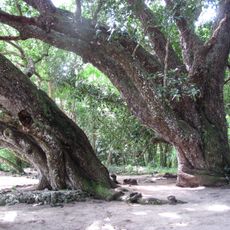
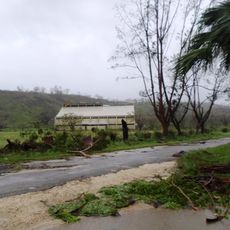
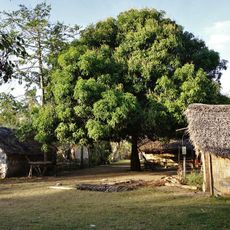
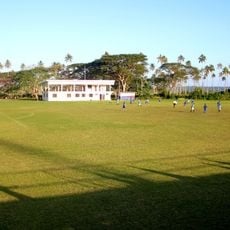
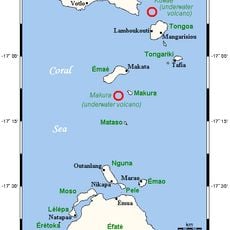
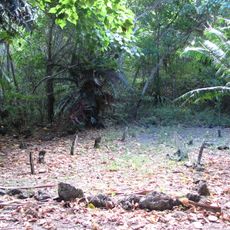
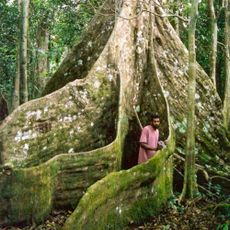
The New Hebrides is an island group in the South Pacific with around 83 islands stretching across hundreds of kilometers between the Solomon Islands and New Caledonia. Together they form a large archipelago, with each island displaying different landscapes and coastal formations.
The islands came under joint British and French administration starting in 1906, creating a distinctive dual governance structure. This shared system persisted until the archipelago gained independence and became the nation of Vanuatu in the mid-20th century.
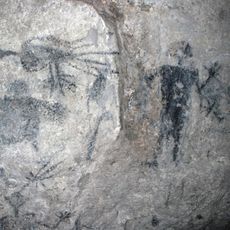
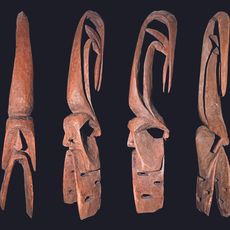
The islands speak over a hundred different languages, reflecting the deep linguistic heritage of their Melanesian communities. Each island cluster maintains its own dialects and traditions that shape daily life and local identity.
The climate follows two seasons: a wet period from November through April and a drier time from May through October, which affects travel plans. The best time to visit falls in the dry months, when activities and getting around are more straightforward.
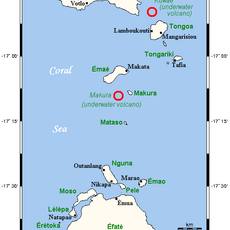
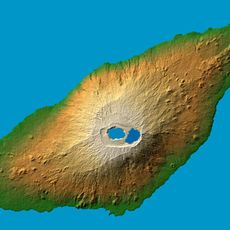
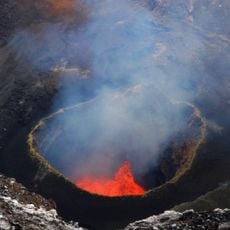
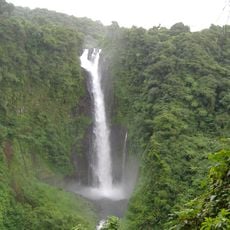
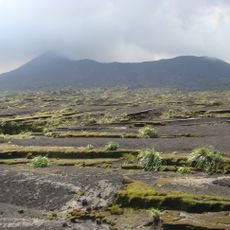
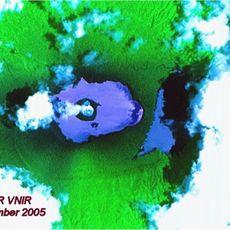
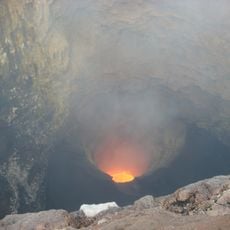
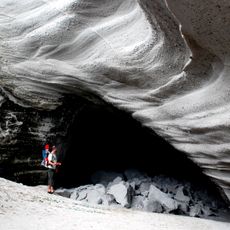
Several active volcanoes on the islands trigger frequent earthquakes and tremors. This volcanic activity has created mineral-rich soils that uniquely shape the landscape and vegetation.
The community of curious travelers
AroundUs brings together thousands of curated places, local tips, and hidden gems, enriched daily by 92,787 contributors worldwide.