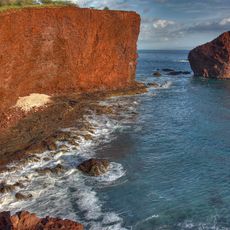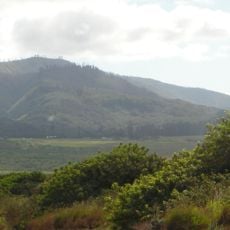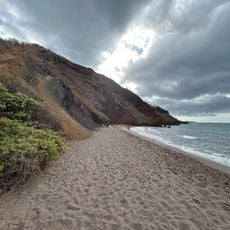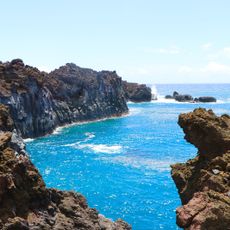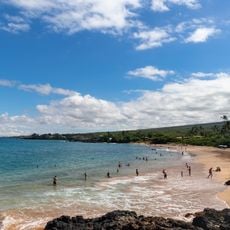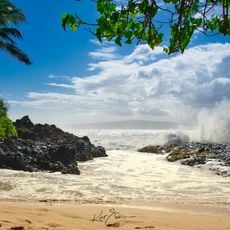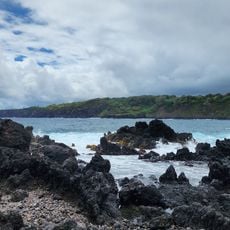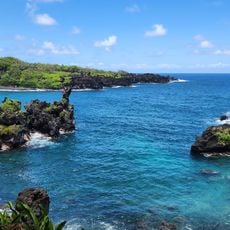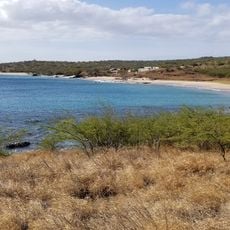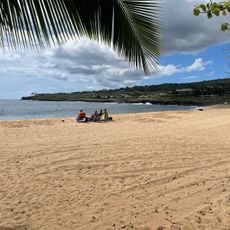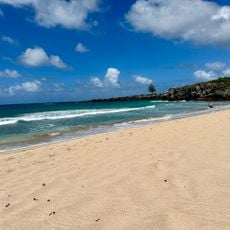
Hawaiian tropical rainforests, Tropical rainforest ecoregion in Hawaiian Islands, US.
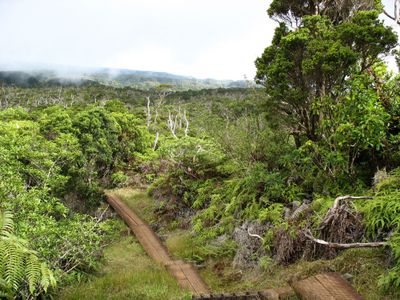
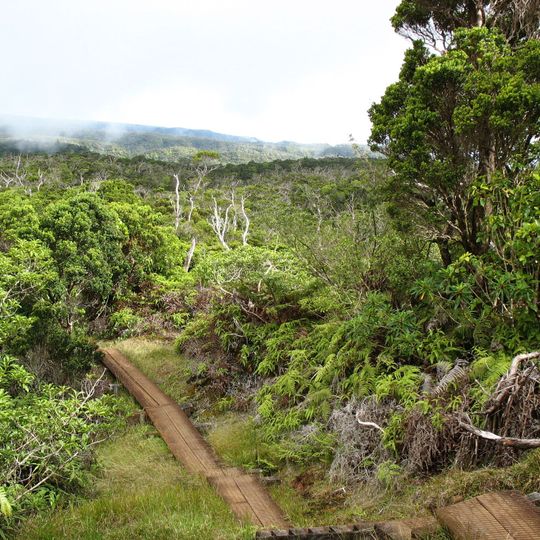
Hawaiian tropical rainforests span the windward lowlands and montane regions of the Hawaiian Islands, rising from sea level to elevations around 1,700 meters. The forests feature multiple layers of interwoven trees, dense understory vegetation, and countless plant species that live in close relationship with one another.
These forests evolved in complete isolation over millions of years, resulting in hundreds of species found nowhere else in the world. Settlement by plants and animals came primarily through wind and birds, which carried seeds and spores across vast distances.
The forest holds deep meaning for Native Hawaiians, who have woven koa and ohia lehua trees into their daily practices and spiritual life. These trees remain central to how the community understands and uses the land around them.
This rainforest receives so much rainfall that it stays wet year-round, with thick cloud cover often hanging over the higher elevations. Visitors should wear waterproof gear and expect slippery, muddy trails, especially along the steeper paths.
These forests lack native ants, an absence that shaped unusual survival strategies in other insects living here. Moth caterpillars evolved into predatory hunters, filling an ecological role that ants occupy in forests elsewhere.
The community of curious travelers
AroundUs brings together thousands of curated places, local tips, and hidden gems, enriched daily by 91,143 contributors worldwide.