Alaska statistical areas, Statistical reporting zones in Alaska, United States.
Statistical areas in Alaska are geographic zones defined by the US Census Bureau to measure and track population patterns. These regions help organize demographic and economic data across one of the country's most expansive and sparsely populated states.
Alaska received its statistical area designations after statehood in 1959, when the federal government introduced standardized Census zones. The boundaries have been adjusted multiple times to reflect changing population distribution across the vast territory.
These statistical divisions reflect population distribution patterns influenced by Native Alaskan communities, Russian settlements, and subsequent American development.
Visitors interested in understanding these zones can focus on the few major population centers, since much of the state remains largely undeveloped and remote. A map of the region helps show how vast the distances are between settlements.
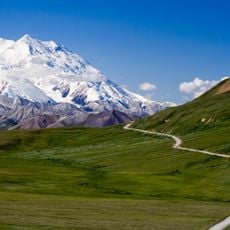
Statistical boundaries in Alaska often follow natural geographic features like fjords and mountain ranges rather than arbitrary lines. This reflects how the landscape itself shapes where people settle and how they move about the region.
The community of curious travelers
AroundUs brings together thousands of curated places, local tips, and hidden gems, enriched daily by 60,000 contributors worldwide.