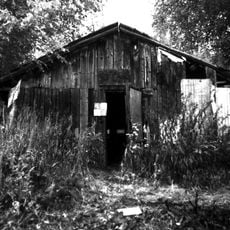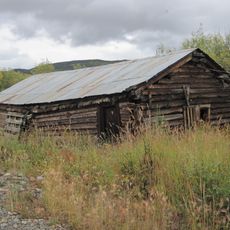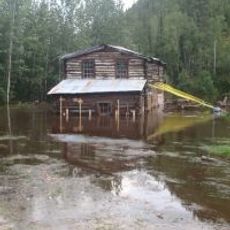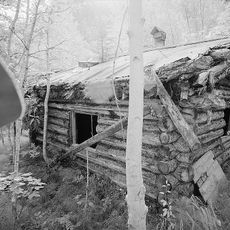
Eagle, Gold rush settlement on Yukon River, Alaska
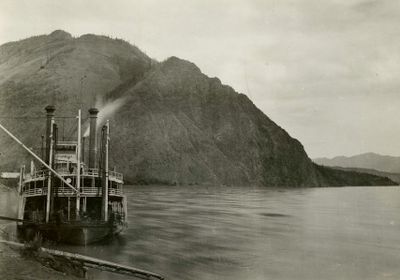
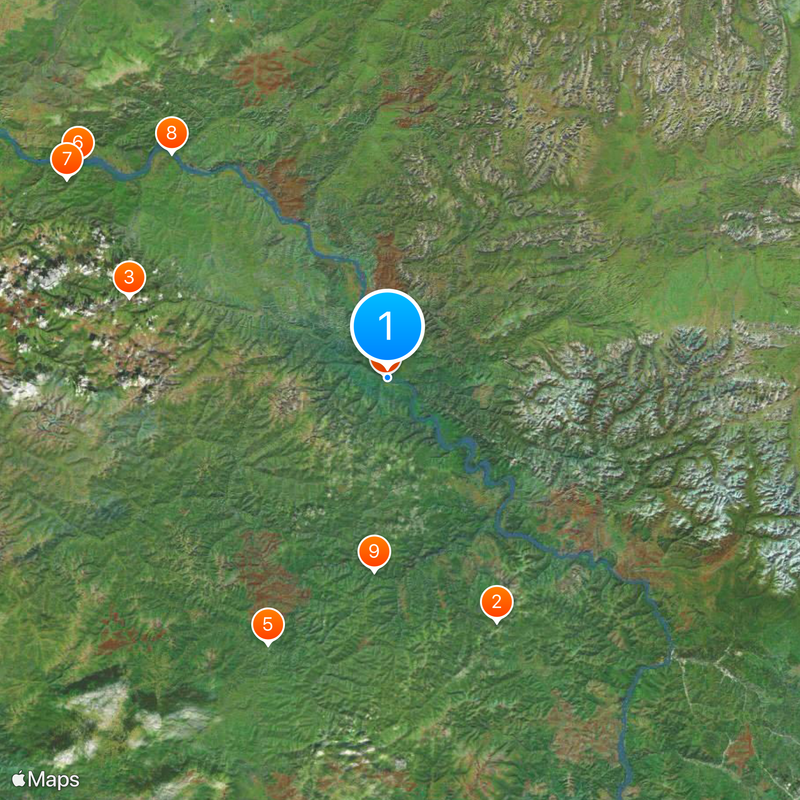
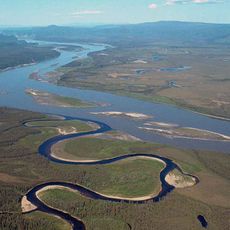
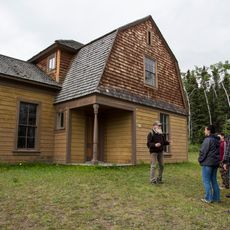
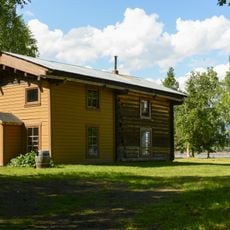
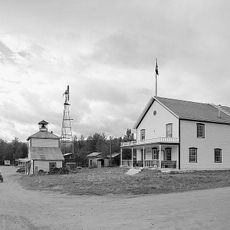
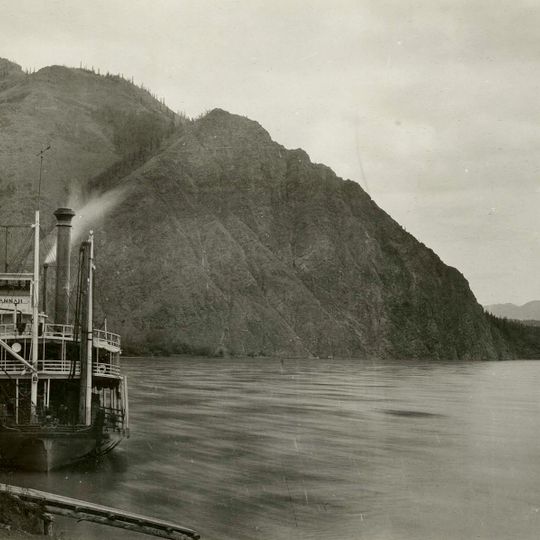
Eagle is a small settlement along the southern bank of the Yukon River in Alaska. Wooden cabins and buildings cluster together beneath a rocky bluff, forming a compact community stretched along the water's edge.
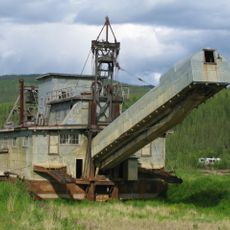
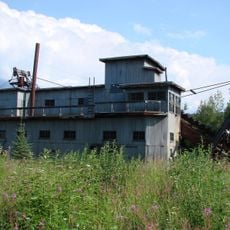
The settlement began in 1874 with a trading post and grew as gold discoveries drew people to the region. It became the first officially incorporated city in Alaska's interior in 1901.
The town's name comes from the eagles that once soared above the river valley. Walking through today, you notice how the preserved buildings reflect the way people lived and worked during the gold rush era.
The town is small and easy to navigate on foot, with most buildings within walking distance of each other. Summer tours offer helpful guidance for exploring the area and learning about the different structures.
The famous polar explorer Roald Amundsen stopped here in 1905 and used the local telegraph station to announce his successful voyage through the Northwest Passage. This historical connection ties the place to one of the great achievements of Arctic exploration.
The community of curious travelers
AroundUs brings together thousands of curated places, local tips, and hidden gems, enriched daily by 92,396 contributors worldwide.