Museo Regional de la Ceramica, Tlaquepaque, Ceramics museum in Tlaquepaque, Jalisco, Mexico
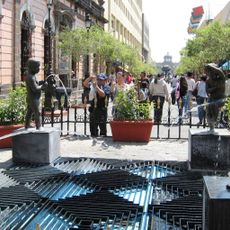
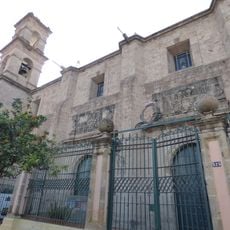
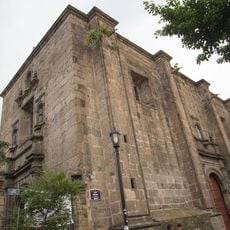
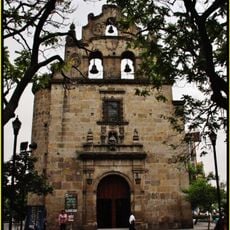
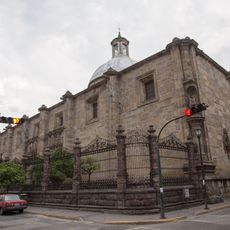
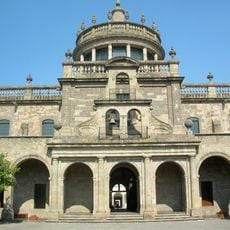
The Museo Regional de la Cerámica occupies the main house of a colonial-era hacienda built in the 19th century on the pedestrian Independencia Street. Its rooms surround a large courtyard holding fifteen craft stands, and nine halls show the permanent ceramic collection, with a tenth reserved for temporary exhibits.
The museum opened in 1954 through a partnership between national institutions focused on preserving and promoting regional artistic traditions. This founding initiative established it as a central place for documenting and honoring local ceramic arts.
The museum's pottery comes from Tonalá, Santa Cruz de las Huertas, El Rosario, Tlaquepaque, Zalatitlán and Tateposco, plus the Sayula range. Local styles include bandera, canelo, petatillo, bruñido, betus and engretado. Barro bruñido pieces are unglazed, slipped and polished with a stone or pyrite, painted in rose, gray-blue and white, and often bear distorted animals such as rabbits.
The museum sits on Independencia Street, a pedestrian-only street in the centre of Tlaquepaque, and the exhibition rooms open off the large courtyard that the building surrounds. Fifteen craft stands fill that courtyard, with different vendors each weekend, usually Nahua and Wixarika artisans. Guided tours and classes in painting, ceramics and other crafts are offered.
The museum's courtyard holds fifteen stands where vendors sell crafts; the sellers change each weekend and are usually Nahua and Wixarika, though Mixtec, Triqui, Purépecha, Mazahua and Otomi artisans have also been invited. The building itself, a colonial-era hacienda main house, belonged to José Francisco Velvardo y de la Moro, nicknamed "Burro de Oro", executed for backing Emperor Maximilian I.
The community of curious travelers
AroundUs brings together thousands of curated places, local tips, and hidden gems, enriched daily by 92,743 contributors worldwide.