Durango, Administrative capital in northern Mexico
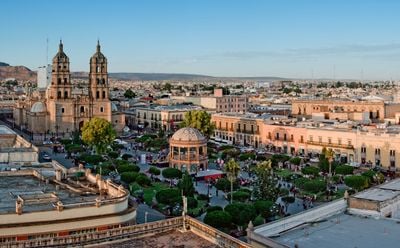
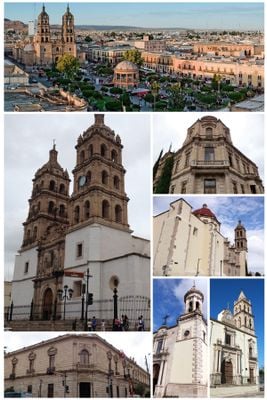
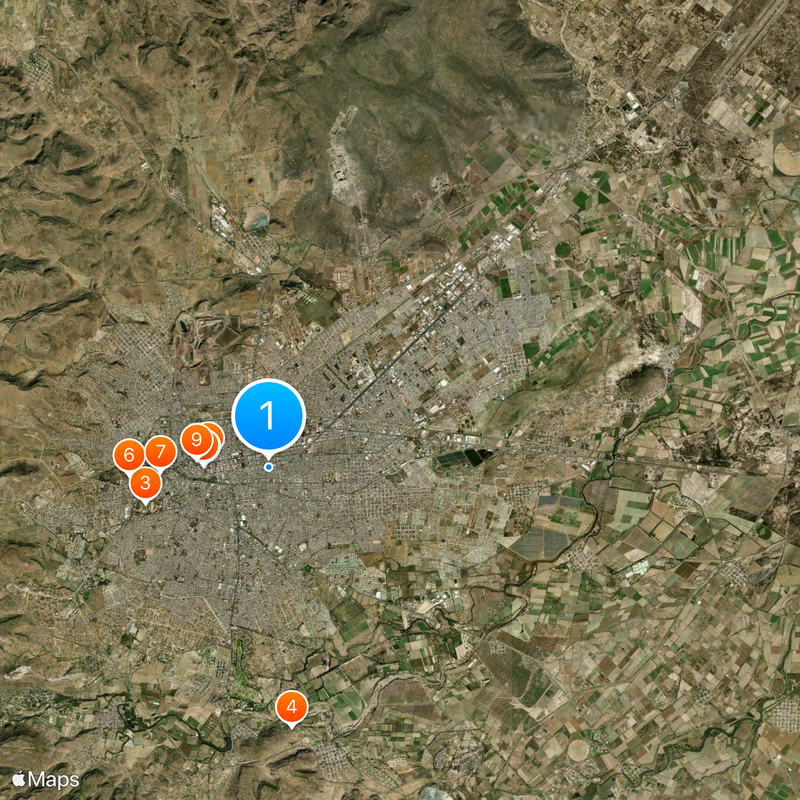
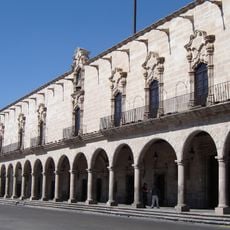
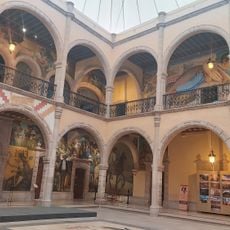
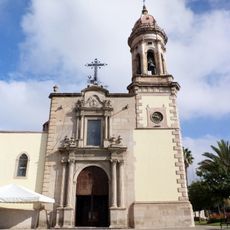
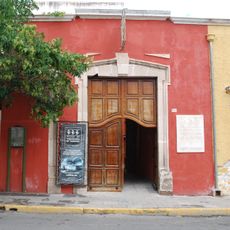
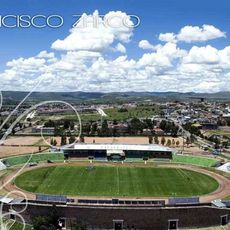
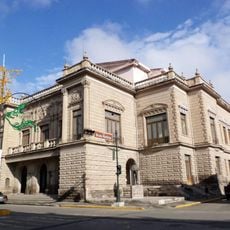
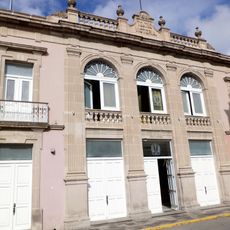
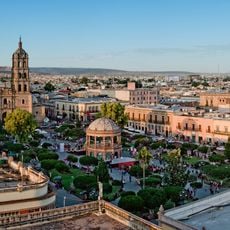
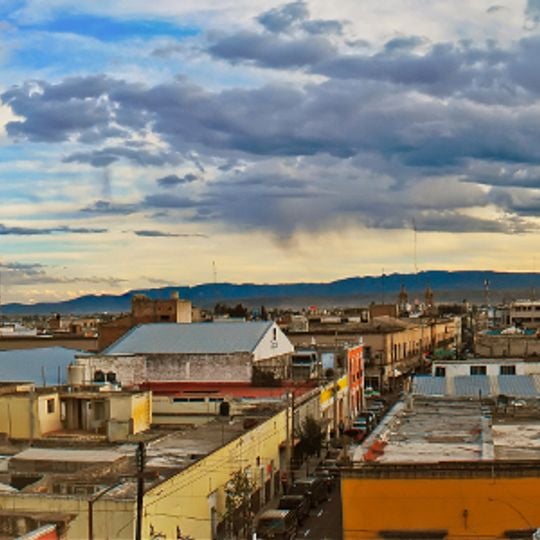
Durango sits in a valley at 1,880 meters elevation, surrounded by the Sierra Madre Occidental mountains. The city spreads across several neighborhoods, from the historic center with its colonial buildings to newer residential and commercial districts on the outskirts.
Francisco de Ibarra founded the settlement in 1563 as a base for Spanish colonization and silver mining. Over the following centuries, it grew into a regional administrative and trade center.
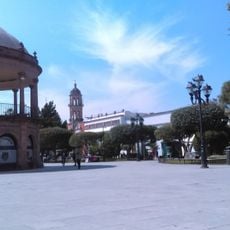
The city's plazas and tree-lined walkways are part of daily routines, where residents gather in the afternoons to meet and stroll. These public spaces carry names that honor figures from the region's past and shape the social fabric of the community.
The city works well for walking in the historic quarter, which is compact and offers shaded sidewalks. Outside the center, distances can grow longer, so it helps to check transport options beforehand.
The elevation affects the climate noticeably, with cool nights even in summer and quick temperature shifts during the day. Visitors often notice the sharp difference in temperature between sun and shade when exploring the streets.
The community of curious travelers
AroundUs brings together thousands of curated places, local tips, and hidden gems, enriched daily by 91,880 contributors worldwide.