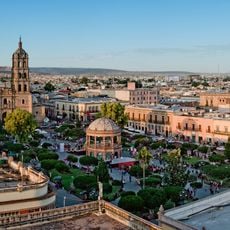
Palacio de Zambrano, 18th century palace in Durango, Mexico
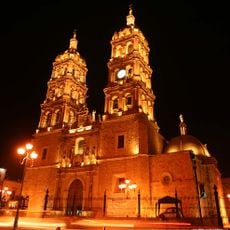
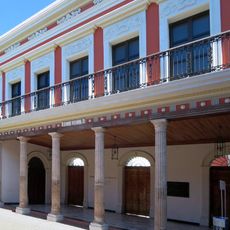
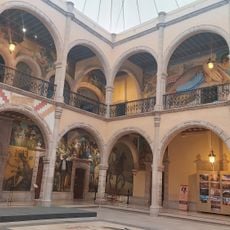
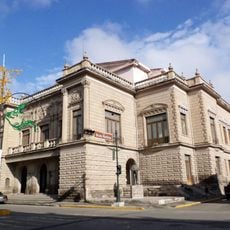
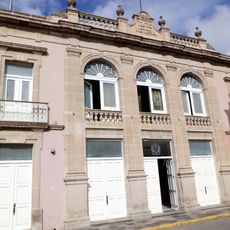
Palacio de Zambrano is a palace built in the late 1700s that stands in Durango with a south-facing front made of quarry stone and rows of arches resting on Tuscan columns. The structure features a central courtyard and now operates as a museum open to visitors.
Captain Juan José Zambrano, enriched by mines at Guarizamey, had the palace built between 1795 and 1800. After his death in 1816 the intendancy rented it for crown offices, and following independence the government of Durango moved in. A 21-year lawsuit by his heirs ended in 1837 with the building confiscated for unpaid taxes and becoming state property.
The entrance hall holds two 1934–1935 murals by Guillermo de Lourdes, one on hacienda labour under the Porfiriato, the other on recruitment for the revolution. Around the main courtyard his further panels follow the revolution's key events, beside Horacio Rentería Rocha's 1935–1936 coat-of-arms series and Ernesto Flores Esquivel's painting on education before the Spanish conquest.
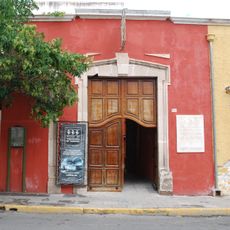
The building faces the plaza to its south; the 62-metre main facade has 16 arches, and the entrance hall and ground-floor courtyard hold the 1934–1936 murals. Look for the lead drainage channels hidden inside the columns of the main courtyard, and the low steps of the smaller courtyard's staircase, built so loaded horses could climb. A barely noticeable door opens at the corner of Bruno Martínez and 5 de Febrero streets.
The lead pipes of the main courtyard's drainage run inside the columns, and the small courtyard's staircase has very low steps so that loaded horses could climb it. A barely noticeable door opens at the corner of Bruno Martínez and 5 de Febrero streets.
The community of curious travelers
AroundUs brings together thousands of curated places, local tips, and hidden gems, enriched daily by 94,533 contributors worldwide.