San Onofre State Beach, State beach and archaeological site in San Diego County, United States
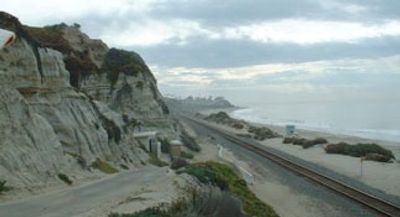
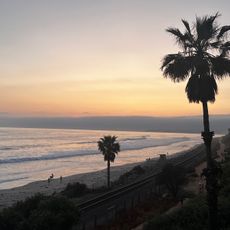
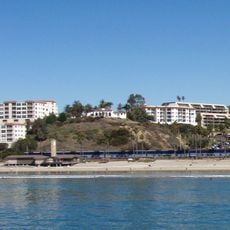
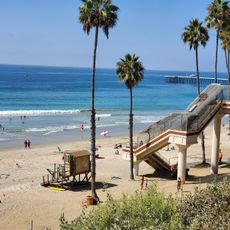
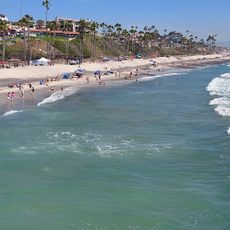
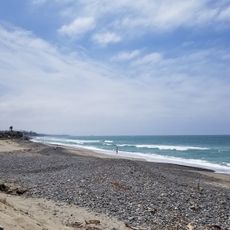
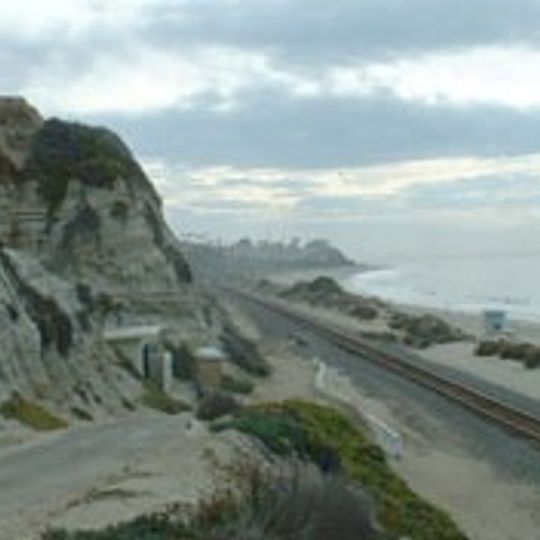
San Onofre State Beach is a coastal area with three separate beach sections and around 3,000 acres in California. Sandy shorelines alternate with sandstone cliffs, and six trails lead to different spots along the coast.
The Acjachemen village of Panhe, over 8,000 years old, lies within the park and saw the first baptism in California and the first close contact between Spanish explorers, missionaries and the Acjachemen in 1769. In the Mexican era the land belonged to Rancho de San Onofrio, part of Pio Pico's holdings; the Santa Fe Railroad built a San Onofre station in 1888. Governor Ronald Reagan established the state beach in 1971 on land leased from the Marine Corps.
This coast was home to the Acjachemen people, whose village Panhe dates back at least 8,000 years. The site is still visited by descendants for ceremonies and is recognized as sacred ground today.
The park is split into separate units: San Onofre Bluffs, Surf Beach, San Mateo and Trestles. At the Bluffs, six trails cut into the sandstone lead down to 3.5 miles of sand, and the campground sits along old U.S. Route 101. Trestles is reached on foot via a nature trail from San Mateo Campground. Alcohol is banned on all park beaches.
The beach's name comes from St. Onuphrius, a 4th-century Egyptian hermit, following the padres' custom of naming places after patron saints. The park also appears in the Beach Boys' 1963 song "Surfin' U.S.A." and in Kim Stanley Robinson's first novel, The Wild Shore.
The community of curious travelers
AroundUs brings together thousands of curated places, local tips, and hidden gems, enriched daily by 92,633 contributors worldwide.