Hayden-Rhodes Aqueduct, Water diversion canal in Arizona, United States.
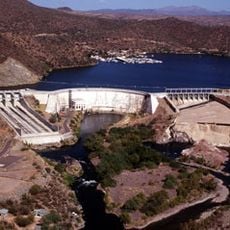
The Hayden-Rhodes Aqueduct is a water transport system that carries water from the Colorado River across Arizona using channels, pipes, and tunnels. Pumping stations along the route move the water over hills and mountains to reach cities and farmland across the state.
Construction began in the 1970s to address the growing water needs of Arizona's expanding population and economy. The project was shaped by earlier agreements about sharing water from the Colorado River among southwestern states.
The aqueduct has shaped how communities in Arizona depend on water from distant sources, becoming part of the landscape that residents see and use every day. It enabled agricultural expansion and urban growth that changed how people live and work across the region.
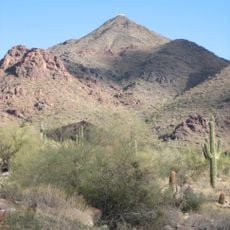
The aqueduct runs across diverse terrain ranging from desert flatlands to mountainous areas, so the experience changes depending on where you visit. Early morning or late afternoon visits offer better light for viewing and photography along accessible sections.
The system requires enormous amounts of electricity year-round to pump water uphill through the landscape, which few visitors realize when they first encounter it. This energy demand is so large that it ranks among the biggest power consumers in the entire state.
The community of curious travelers
AroundUs brings together thousands of curated places, local tips, and hidden gems, enriched daily by 90,982 contributors worldwide.