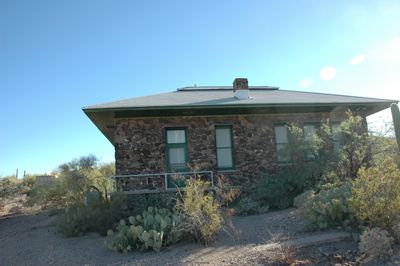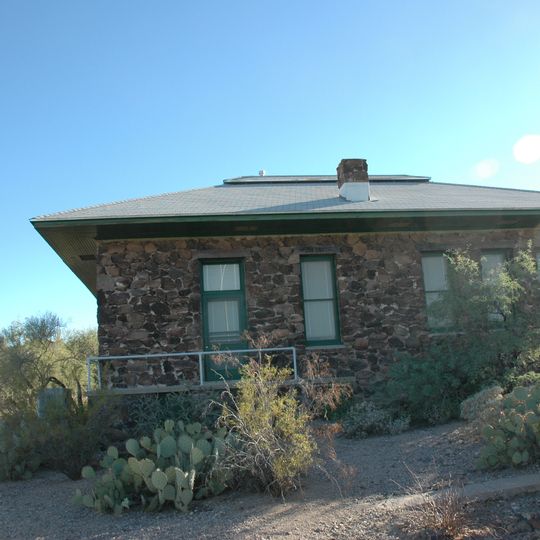
Desert Laboratory, Biological research station on Tumamoc Hill in Tucson, Arizona, United States
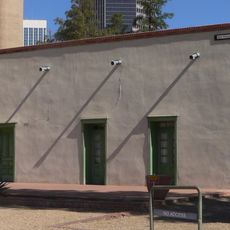
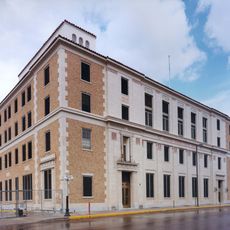
The Desert Laboratory is a scientific research facility on Tumamoc Hill in Tucson, occupying a large area with buildings and study zones devoted to desert plant investigation. The grounds contain field stations and monitoring points spread across the terrain, documenting long-term ecosystem change in the arid environment.
The facility was established in 1903 by the Carnegie Institution and has served as a biological research center since then. Scientists began systematic ecological studies in 1906 that have continued through the decades, creating an extensive record of environmental data.
The hill's O'odham name, Cemamagĭ Doʼag, predates the laboratory; the site is not named after the saguaro cactus. The Desert Laboratory's staff helped found the Ecological Society of America in 1915 and the journal Ecology. Today Tumamoc: People & Habitats, part of the University of Arizona's College of Science, operates the site.
Visitors can walk the paths on Tumamoc Hill while following local rules that prohibit bicycles and pets from these trails. The laboratory buildings themselves are not open to the public, but the hill and its footpaths offer views of the surrounding desert landscape.
The grounds contain the oldest continuously maintained environmental monitoring plots in North America, showing more than a century of desert ecosystem change. These long-term studies make the site a unique resource for understanding how desert plants adapt to climate shifts.
The community of curious travelers
AroundUs brings together thousands of curated places, local tips, and hidden gems, enriched daily by 92,641 contributors worldwide.