White Sands National Park, Gypsum dunes national park in New Mexico, US
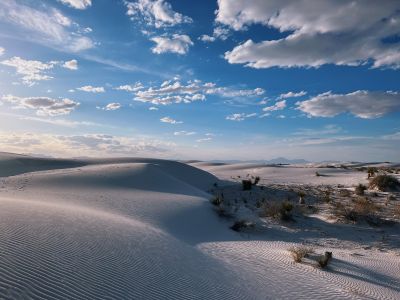
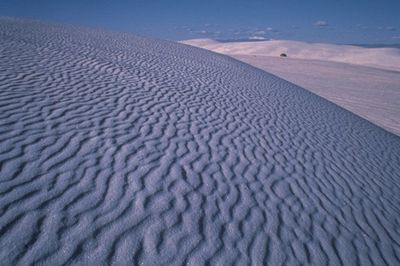
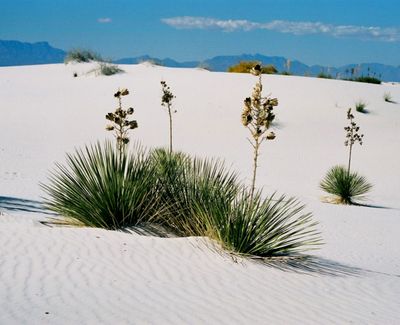
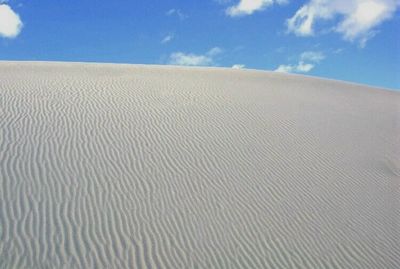
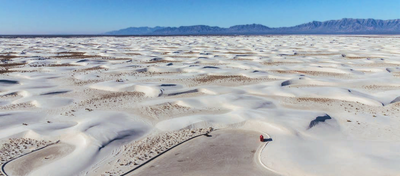
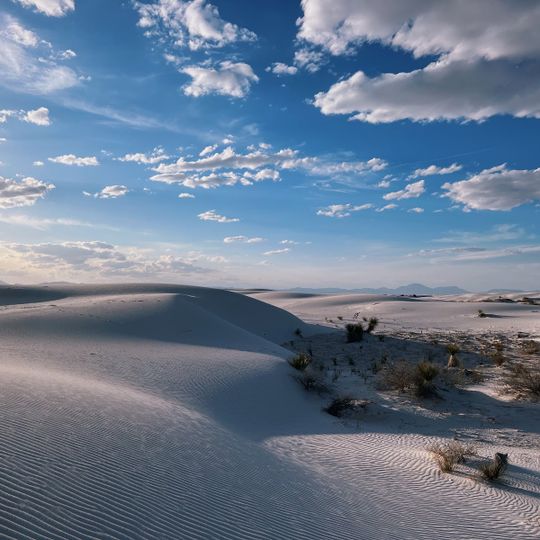
White Sands National Park is a protected area covering wide gypsum deposits in New Mexico, roughly midway between El Paso and Albuquerque. The dunes spread across a broad basin and form ridges, hollows, and gentle waves of fine white sand.
The Tularosa Lake dried up thousands of years ago and left behind a mineral-rich surface that wind shaped into dunes. The site was designated a national monument in 1933 and received national park status in 2019.
The white dunes have shaped the imagination of indigenous communities for centuries and remain part of their oral traditions. Visitors often notice how the bright terrain shifts under changing daylight and creates different moods throughout the day.
Water is necessary when exploring the dunes, as temperatures climb high during summer months and shade is absent. Trails are not always clearly marked, so it helps to note visible landmarks along the way.
Several animal species have developed pale body colors over generations to blend into the white terrain. This adaptation is especially visible in small rodents and some lizard species, which appear almost entirely light in tone.
Location: Otero County
Location: Doña Ana County
Inception: January 18, 1933
Operator: National Park Service
Website: https://nps.gov/whsa
GPS coordinates: 32.77972,-106.17167
Latest update: December 4, 2025 19:02
The western United States protects some of North America's most diverse natural landscapes. From the layered canyons of Canyonlands in Utah to the white gypsum dunes of White Sands in New Mexico, this region spans multiple climate zones and geological formations. Visitors find national parks, Pueblo archaeological sites and natural phenomena that document millions of years of Earth's history.The collection includes the ruins of Mesa Verde, where Ancestral Pueblo communities built cliff dwellings into sandstone alcoves from the 6th century until the late 1200s. Dinosaur National Monument preserves one of the world's most significant fossil beds, with more than 1,500 exposed dinosaur bones. Colorado's Great Sand Dunes rise to 750 feet (229 meters), making them the tallest dunes in North America. Carlsbad Caverns extends through 30 miles (48 kilometers) of underground passages with more than 120 known caves.The region's geology appears in the 2,000-foot (610-meter) depths of the Black Canyon of the Gunnison and the petrified tree trunks in Petrified Forest that date back more than 200 million years. Monument Valley presents sandstone formations rising 400 to 1,000 feet (122 to 305 meters) above the valley floor. Utah's Mystic Hot Springs feeds natural mineral pools at temperatures around 160 to 180 degrees Fahrenheit (71 to 82 degrees Celsius). Wolf Creek ski area records an average annual snowfall of 465 inches (11.4 meters).
The southwestern United States encompasses desert landscapes, sandstone formations and archaeological sites from several pre-Columbian cultures. The region spans Utah, Arizona, New Mexico and Colorado, featuring geological structures shaped over millions of years by wind and water erosion. National parks such as Canyonlands and Capitol Reef display canyons, mesas and rock spires in shades of red, orange and ochre. The area preserves evidence of the Ancestral Puebloans, who built cliff dwellings and communal structures between the 12th and 14th centuries. Sites like Bandelier National Monument and Gila Cliff Dwellings provide access to these habitations. Chaco Culture National Historical Park documents a pre-Hispanic trading center with multistory stone complexes. Petroglyphs at locations such as Three Rivers and the petrified trees of Petrified Forest National Park offer additional historical records. The Navajo Nation administers Monument Valley and the Navajo Zoo, while Hubbell Trading Post operates as a functioning 19th-century trading post. Volcanic features mark Sunset Crater and El Malpais, while White Sands covers more than 275 square miles (700 square kilometers) of gypsum dunes. Glen Canyon and the man-made Lake Cochiti provide water access in this largely arid region. Elevation differences range from the Organ Pipe Cactus Desert to Great Basin National Park with its ridges above 13,000 feet (3,900 meters).
New Mexico combines geological formations with historical sites spanning multiple periods. The region includes cave systems such as Carlsbad Caverns, extensive gypsum fields at White Sands, volcanic landscapes at El Malpais National Monument, and unusual rock formations in the Bisti/De-Na-Zin Wilderness. The territory also preserves evidence of pre-Columbian and Spanish settlement, including pueblo ruins, cliff dwellings, and seventeenth-century mission complexes. Sites range from ancient petroglyphs at Three Rivers to military installations like Fort Union. Natural attractions include hot springs at Jemez Springs, the volcanic crater of Valles Caldera, and the deep blue waters of Blue Hole. The collection features archaeological monuments such as Chaco Culture and Bandelier, geological curiosities like the hoodoos at Tent Rocks, and historic pueblos including Taos, which has been continuously inhabited for over a thousand years.
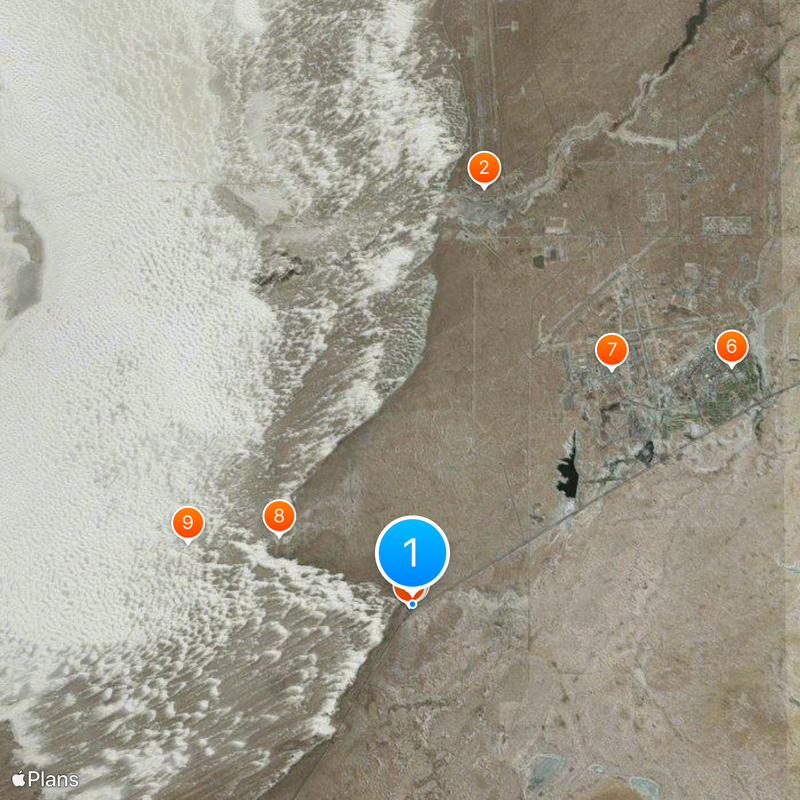
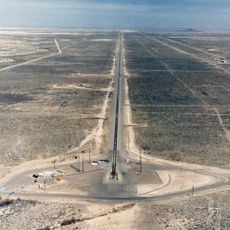
Holloman High Speed Test Track
11.9 km
New Mexico Museum of Space History
28.3 km
Apache Point Observatory
32.9 km
National Solar Observatory
32.9 km
Oliver Lee Memorial State Park
24.2 km
Dunn Solar Telescope
32.9 km
Mexican Canyon Trestle
44.6 km
Alameda Park Zoo
23.9 km
San Andres National Wildlife Refuge
35.8 km
The Toy Train Depot
24.7 km
Jackson House
25.4 km
Alamogordo Museum of History
24 km
Flickinger Center for Performing Arts
24.1 km
Alamogordo Public Library
25 km
Alamogordo Woman's Club
24.3 km
La Luz Pottery Factory
33.6 km
La Luz Historic District
30.8 km
Administration Building
24.9 km
Central Receiving Building
25 km
Tularosa Original Townsite District
35.9 km
Queen Anne House
30.8 km
D.H. Sutherland House
30.8 km
White Sands National Park Historic District
0 m
Lincoln National Forest Service Building
24 km
Toy Train Depot
24.7 km
White Sands Visitor Center
70 m
Tularosa Basin Museum of History
23.9 km
New Horizons Dome Theater & Planetarium
27.8 kmReviews
Visited this place? Tap the stars to rate it and share your experience / photos with the community! Try now! You can cancel it anytime.
Discover hidden gems everywhere you go!
From secret cafés to breathtaking viewpoints, skip the crowded tourist spots and find places that match your style. Our app makes it easy with voice search, smart filtering, route optimization, and insider tips from travelers worldwide. Download now for the complete mobile experience.
A unique approach to discovering new places❞
— Le Figaro
All the places worth exploring❞
— France Info
A tailor-made excursion in just a few clicks❞
— 20 Minutes