See the monuments around you in AROpen chests in the app
Around Us is built for your phone — point your camera at the streets and discover the monuments and places around you in augmented reality.Around Us is built for your phone — chests unlock when you walk, explore and capture nearby places.
The western United States protects some of North America's most diverse natural landscapes. From the layered canyons of Canyonlands in Utah to the white gypsum dunes of White Sands in New Mexico, this region spans multiple climate zones and geological formations. Visitors find national parks, Pueblo archaeological sites and natural phenomena that document millions of years of Earth's history.The collection includes the ruins of Mesa Verde, where Ancestral Pueblo communities built cliff dwellings into sandstone alcoves from the 6th century until the late 1200s. Dinosaur National Monument preserves one of the world's most significant fossil beds, with more than 1,500 exposed dinosaur bones. Colorado's Great Sand Dunes rise to 750 feet (229 meters), making them the tallest dunes in North America. Carlsbad Caverns extends through 30 miles (48 kilometers) of underground passages with more than 120 known caves.The region's geology appears in the 2,000-foot (610-meter) depths of the Black Canyon of the Gunnison and the petrified tree trunks in Petrified Forest that date back more than 200 million years. Monument Valley presents sandstone formations rising 400 to 1,000 feet (122 to 305 meters) above the valley floor. Utah's Mystic Hot Springs feeds natural mineral pools at temperatures around 160 to 180 degrees Fahrenheit (71 to 82 degrees Celsius). Wolf Creek ski area records an average annual snowfall of 465 inches (11.4 meters).
The western United States protects some of North America's most diverse natural landscapes. From the layered canyons of Canyonlands in Utah to the white gypsum dunes of White Sands in New Mexico, this region spans multiple climate zones and geological formations. Visitors find national parks, Pueblo archaeological sites and natural phenomena that document millions of years of Earth's history.The collection includes the ruins of Mesa Verde, where Ancestral Pueblo communities built cliff dwellings into sandstone alcoves from the 6th century until the late 1200s. Dinosaur National Monument preserves one of the world's most significant fossil beds, with more than 1,500 exposed dinosaur bones. Colorado's Great Sand Dunes rise to 750 feet (229 meters), making them the tallest dunes in North America. Carlsbad Caverns extends through 30 miles (48 kilometers) of underground passages with more than 120 known caves.The region's geology appears in the 2,000-foot (610-meter) depths of the Black Canyon of the Gunnison and the petrified tree trunks in Petrified Forest that date back more than 200 million years. Monument Valley presents sandstone formations rising 400 to 1,000 feet (122 to 305 meters) above the valley floor. Utah's Mystic Hot Springs feeds natural mineral pools at temperatures around 160 to 180 degrees Fahrenheit (71 to 82 degrees Celsius). Wolf Creek ski area records an average annual snowfall of 465 inches (11.4 meters).
Canyonlands National Park displays deep gorges carved by the Colorado River and its tributaries into red sandstone. Erosion has created three distinct districts: Island in the Sky, The Needles, and The Maze. Visitors find rock formations, natural arches, and high plateaus rising roughly 1,000 feet (300 meters) above the canyon floors. The area preserves archaeological sites from Ancestral Puebloans and offers trails through geological formations spanning different periods.
Château Bishop is a stone structure that one builder constructed over six decades using regional materials and traditional methods. The site demonstrates individual architectural achievement outside established building traditions and showcases masonry techniques from an era before industrial prefabrication. The structure rises from the prairie landscape southeast of Pueblo, documenting a singular commitment to manual construction. Visitors can examine the stonework and learn about the builder's methods through displays on site.
This national park preserves petrified tree trunks from the Triassic Period that formed roughly 225 million years ago through volcanic ash burial and mineral replacement. Quartz deposits give the fossil wood its red, blue and purple coloring. The park covers 346 square miles (895 square kilometers) and includes painted badlands of the Painted Desert along with more than 600 archaeological sites from Ancestral Puebloan cultures. Visitors follow a 28-mile scenic drive with overlooks and trails leading to concentrations of petrified logs.
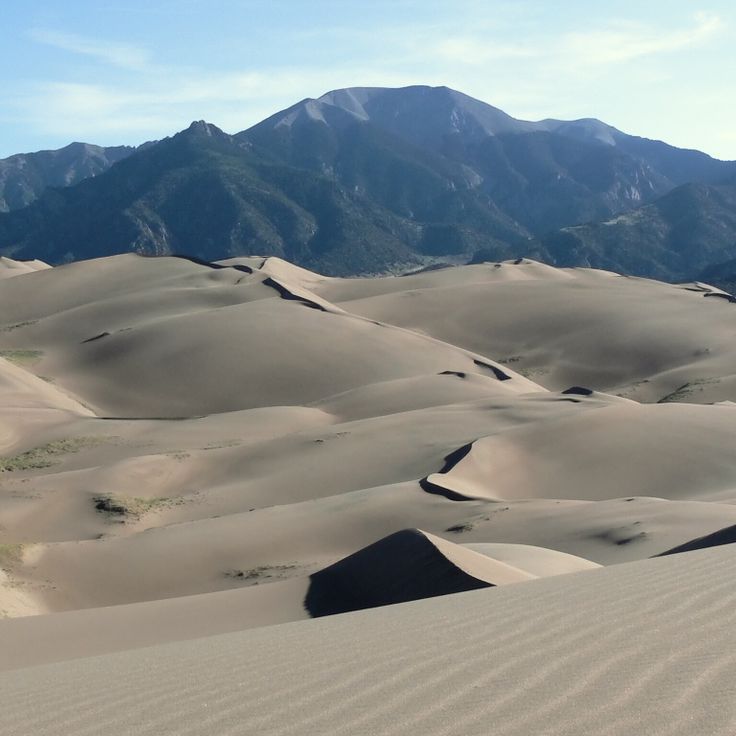
Great Sand Dunes National Park contains dunes reaching up to 750 feet (229 meters) in a landscape between mountain ranges and grassland, combining multiple ecosystems and offering hikes through dune fields plus access to alpine forests and wetlands.
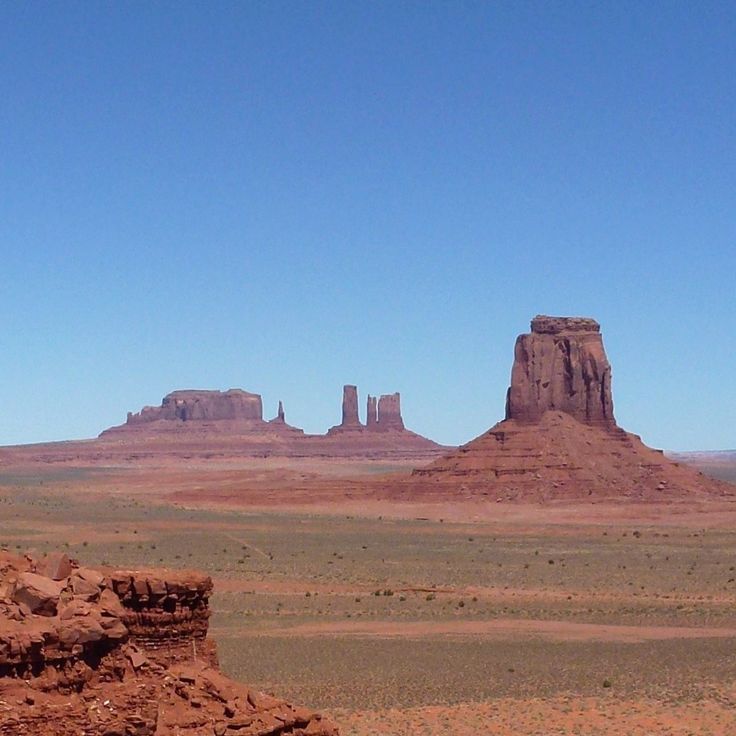
The red sandstone formations of Monument Valley rise up to 300 feet (90 meters) above the desert floor of the Colorado Plateau. Managed by the Navajo Nation, the area sits on the border between Arizona and Utah and displays geological structures shaped by millions of years of erosion. Visitors explore the 17 mile (27 kilometer) loop road through the valley, which provides access to distinct rock formations and viewing points.
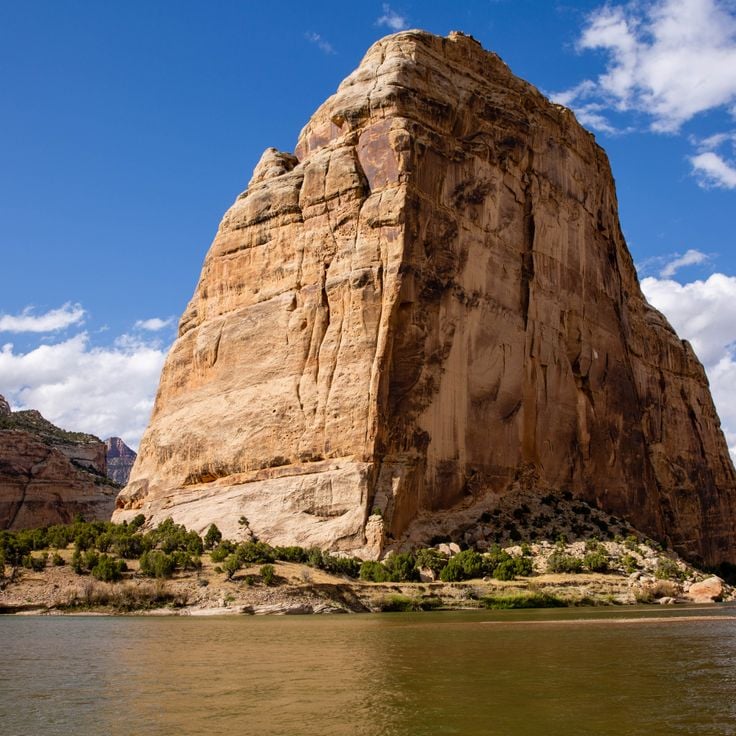
This monument spans the Colorado-Utah border and preserves over 800 paleontological sites containing fossils from the Jurassic period. Beyond the dinosaur remains, the area features deep canyons carved by the Green and Yampa rivers, along with Fremont culture petroglyphs. Visitors can explore the Quarry Exhibit Hall, where a rock face displays approximately 1,500 exposed dinosaur bones left in place.
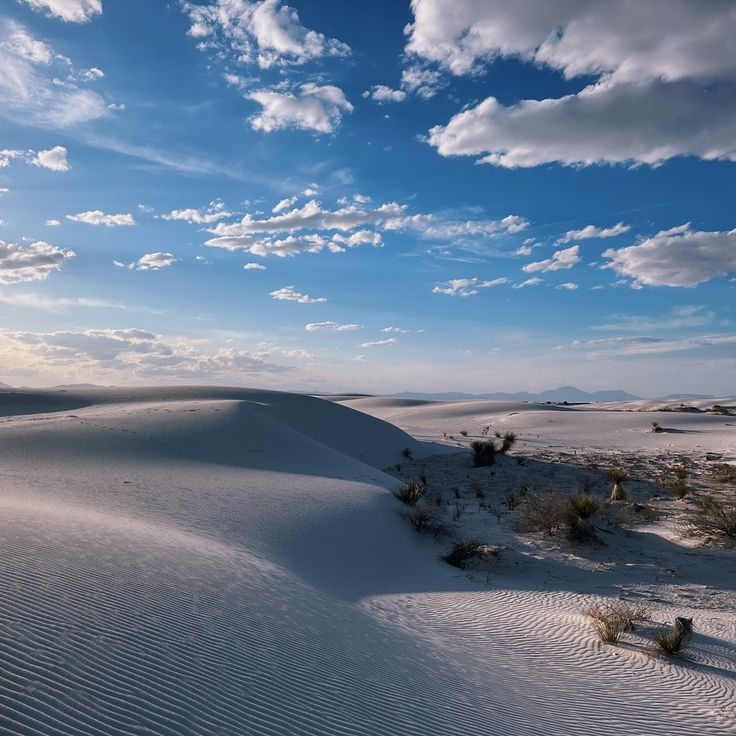
White Sands National Park covers 275 square miles (712 square kilometers) of white gypsum dunes that form the largest gypsum deposit on Earth. The dunes create a constantly shifting landscape of fine, crystalline sand that remains cool underfoot. Visitors can hike marked trails, sled down the dunes or observe wildlife adapted to this harsh environment.
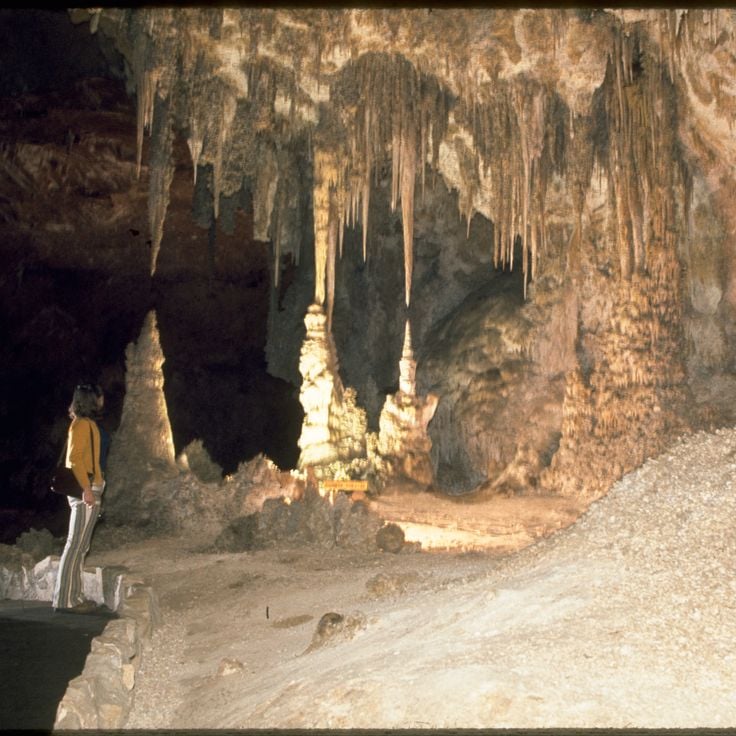
Carlsbad Caverns National Park protects 119 underground caves that extend 29 miles (46 kilometers) beneath the surface of the Guadalupe Mountains. The caves formed over millions of years through limestone dissolution by sulfuric acid and feature stalactite and stalagmite formations. Visitors explore the caves via a marked trail system that passes through several large chambers, including the Big Room, one of North America's largest natural cave chambers covering roughly 357,000 square feet (33,000 square meters). During summer months, large colonies of Brazilian free-tailed bats exit the caves at dusk.
This 1892 mine sits on a rock ledge above the Crystal River. The wooden structure served silver extraction and ranks among Colorado's most photographed mining ruins. Access requires a hike along a mountain road passable to vehicles in summer. The mill stands on private property but can be viewed from close range. The site lies within the Elk Mountains at an elevation of around 9,000 feet (2,740 meters).
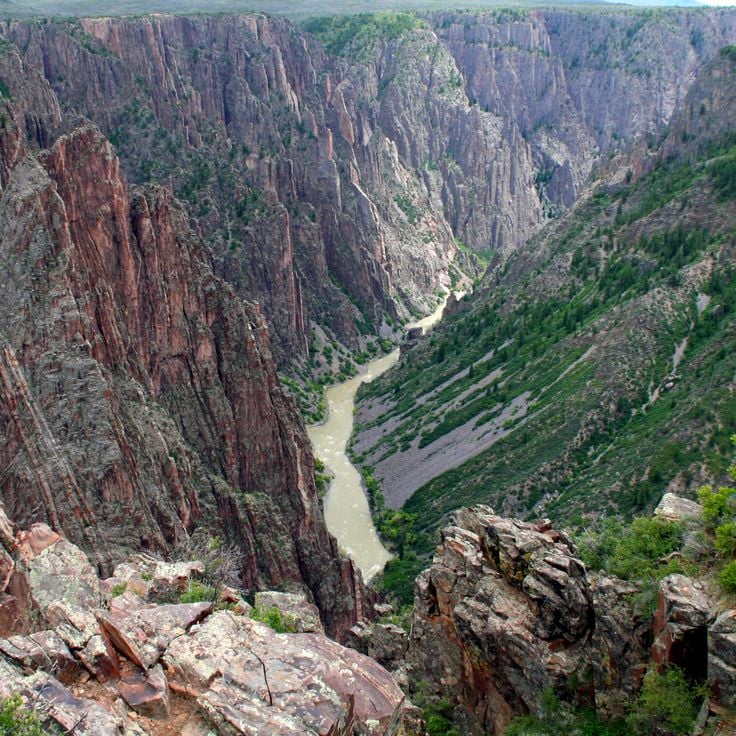
This national park protects an 800-foot-deep (244-meter) gorge with dark schist and granite walls along the Gunnison River, formed by geological activity spanning two billion years and ranking among the steepest canyons in North America.
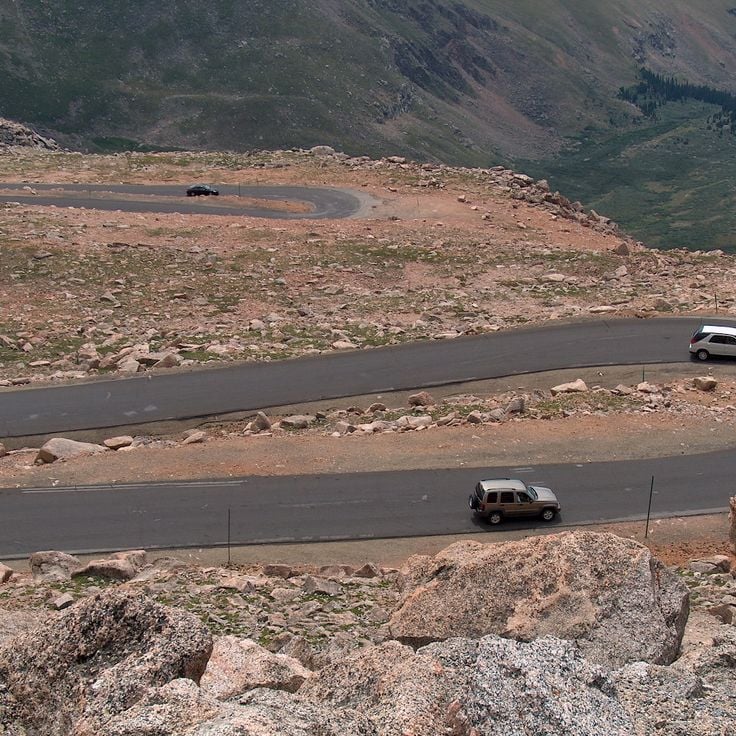
This 28-mile mountain road climbs to the summit of Mount Evans, reaching an elevation of 14,130 feet (4,307 meters). The route provides opportunities to observe mountain goats and marmots in their natural habitat.
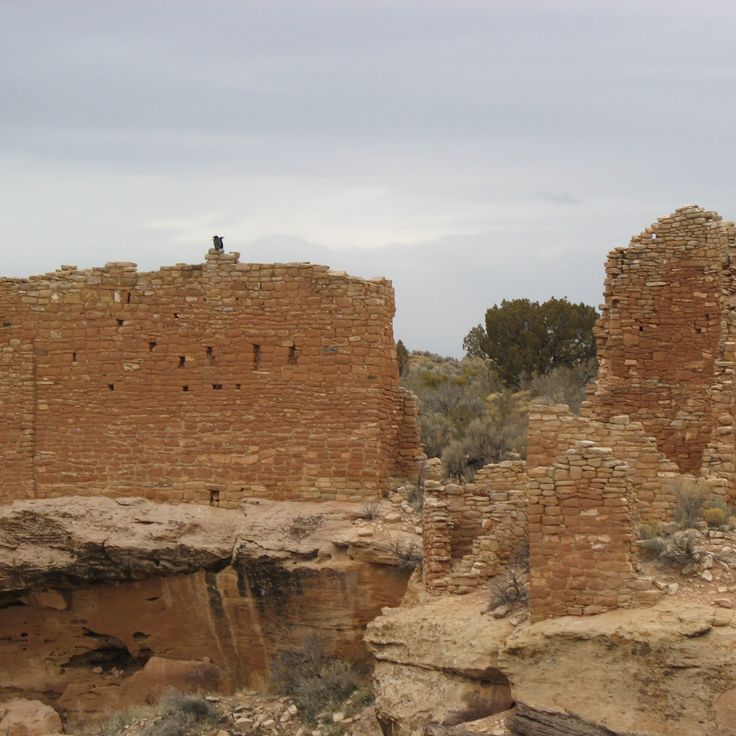
Hovenweep National Monument spans the Colorado-Utah border and preserves six prehistoric Ancestral Puebloan villages built between the 12th and 13th centuries. The settlements feature distinctive stone towers, residential units and ceremonial structures positioned on canyon rims and isolated boulder clusters. Archaeological research has provided information about architecture, farming practices and social organization during this period, making the monument a key reference point for understanding Pueblo cultures in the Four Corners region.
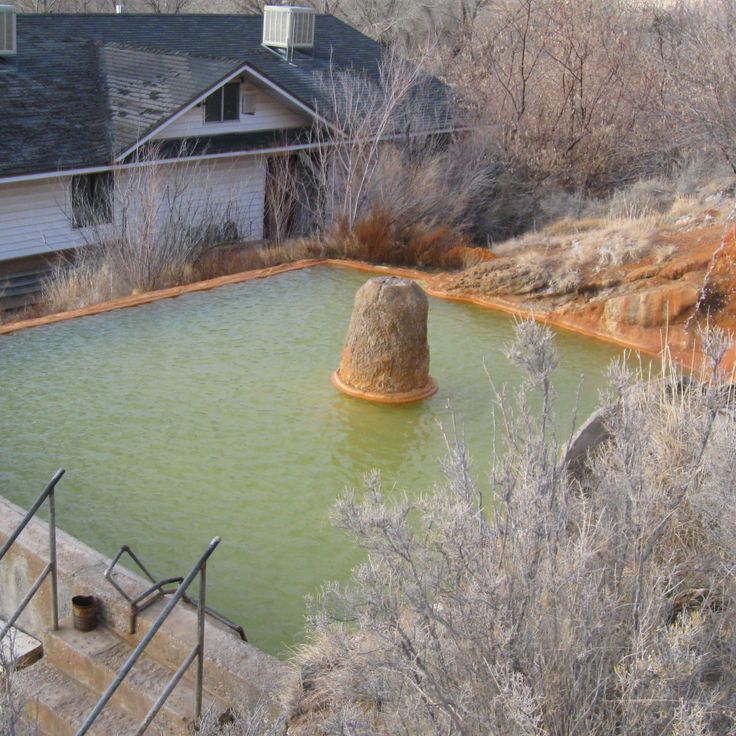
These geothermal mineral springs sit within red sandstone formations and maintain water temperatures between 99 and 109 degrees Fahrenheit (37 to 43 degrees Celsius). The springs have created mineral deposits over thousands of years that form terraces and pools. Warm water rises from an underground source and collects in several natural pools of varying size and depth. The surrounding red rock sandstone walls enhance the visual setting of the site.
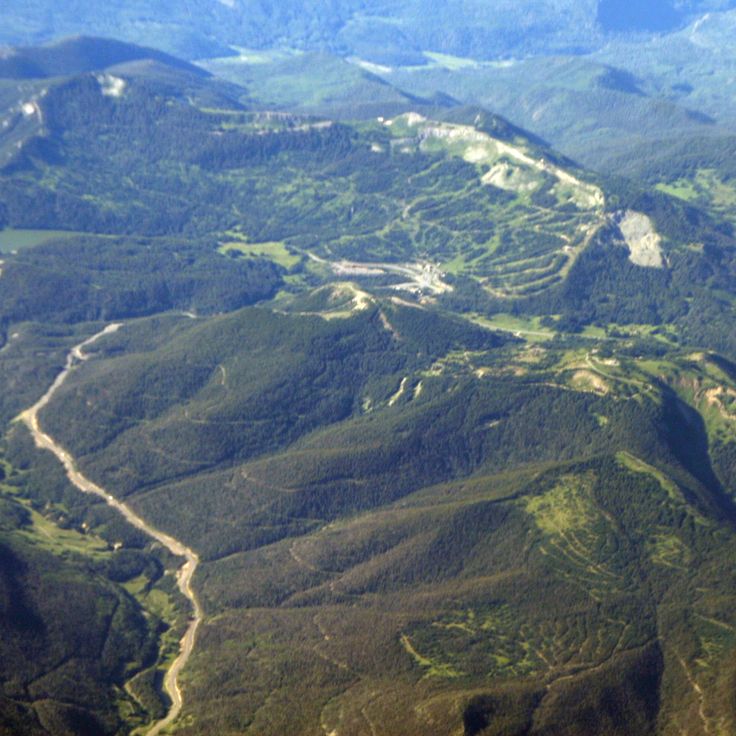
The Wolf Creek ski area sits at 10,800 feet (3,300 meters) and receives an average of 30 feet (9 meters) of snow annually. The resort covers 1,600 acres (650 hectares) of terrain in southern Colorado.
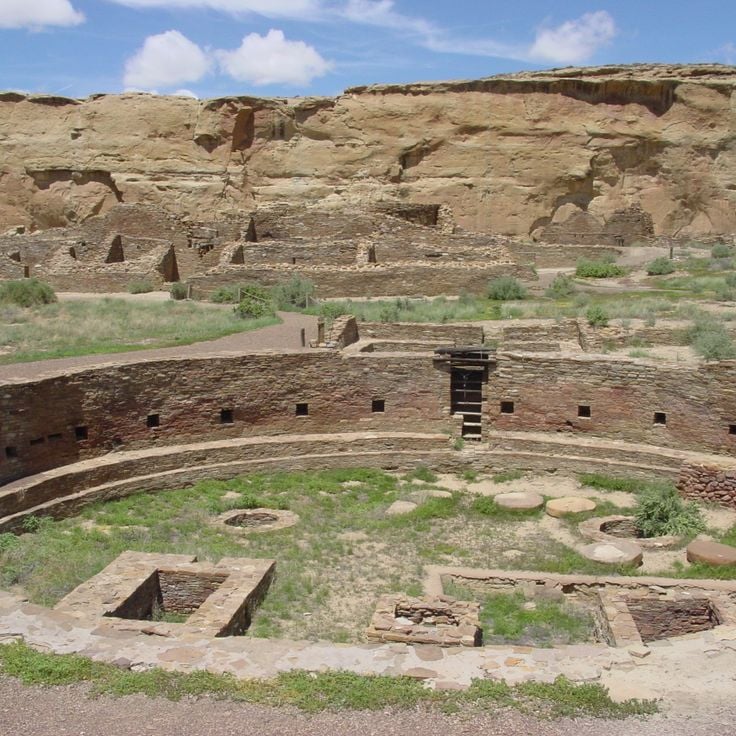
This archaeological site preserves Pueblo settlements from the 9th through 13th centuries, featuring elaborate stone masonry and ceremonial structures. The site displays the architectural evolution of the Chaco culture, which built multi-story complexes containing up to 400 rooms. Visitors explore the ruins of Pueblo Bonito and other great houses that served as centers for trade and religious practices. The site lies in a remote section of the New Mexico high desert.
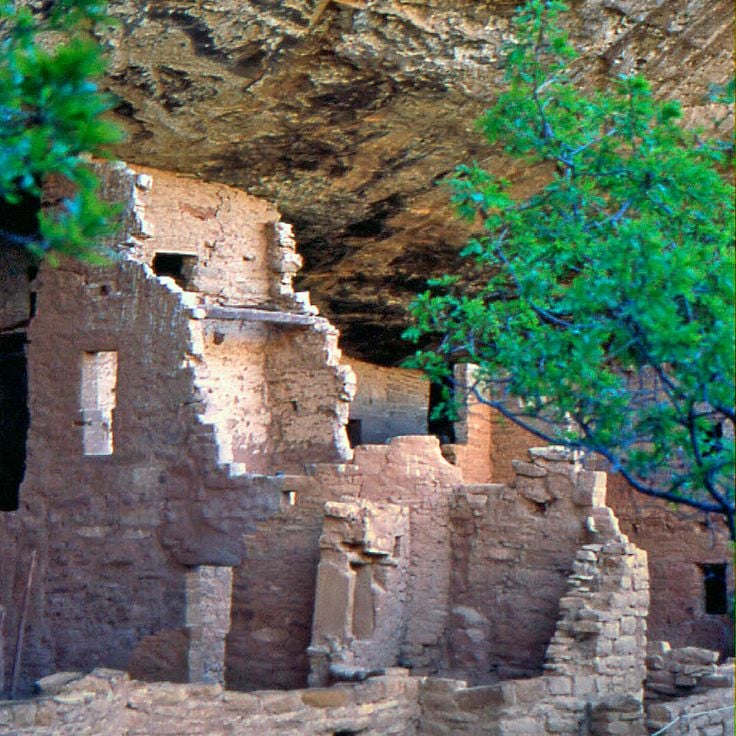
Parc national de Mesa Verde protects over 4,000 archaeological sites and contains 600 cliff dwellings built by the Anasazi in the 12th century. The settlements are set into rock alcoves across roughly 52,000 acres (211 square kilometers) of Colorado plateau terrain. Archaeologists have documented residential structures, ceremonial rooms and storage facilities of Pueblo culture. The sites span several canyons and represent different construction periods between AD 600 and 1300.
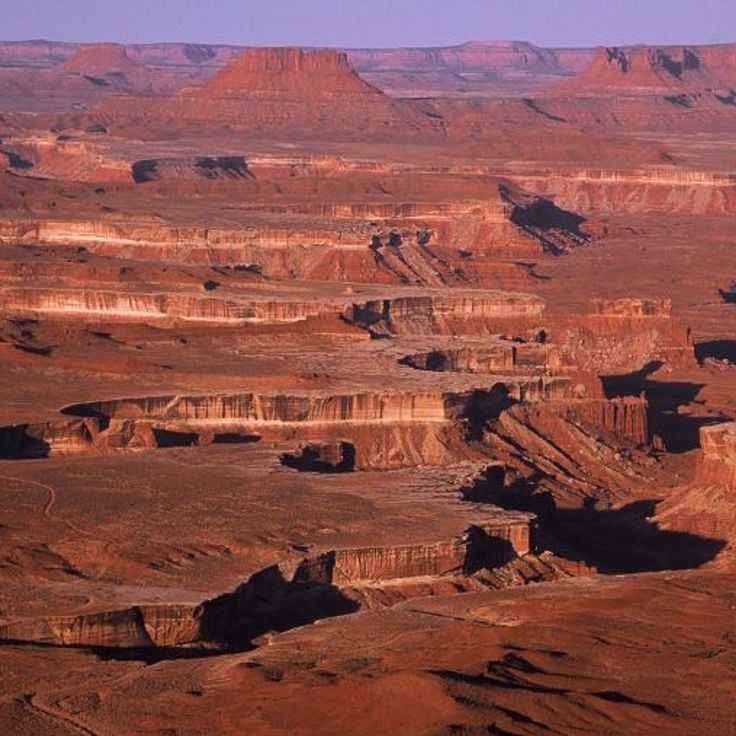
Canyonlands National Park displays deep gorges carved by the Colorado River and its tributaries into red sandstone. Erosion has created three distinct districts: Island in the Sky, The Needles, and The Maze. Visitors find rock formations, natural arches, and high plateaus rising roughly 1,000 feet (300 meters) above the canyon floors. The area preserves archaeological sites from Ancestral Puebloans and offers trails through geological formations spanning different periods.
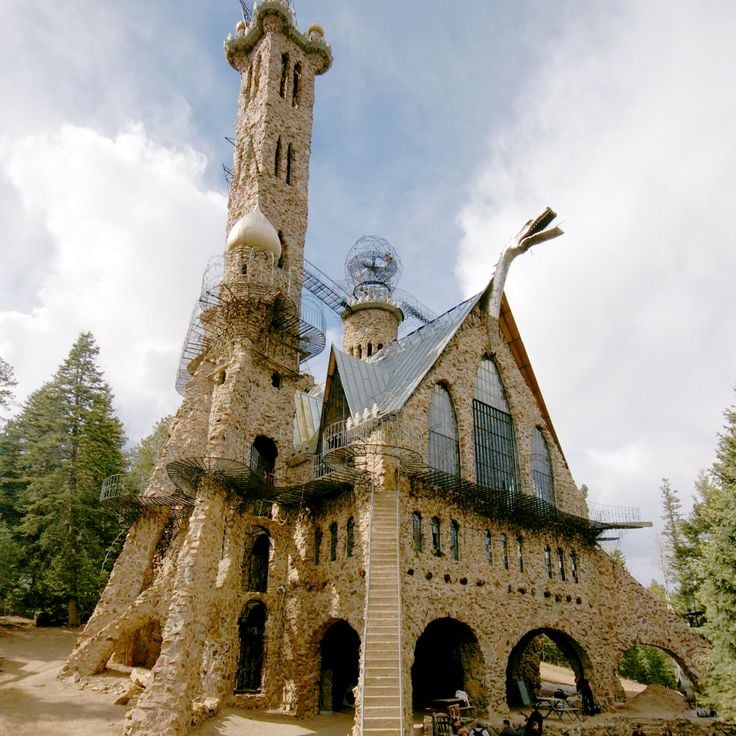
Château Bishop is a stone structure that one builder constructed over six decades using regional materials and traditional methods. The site demonstrates individual architectural achievement outside established building traditions and showcases masonry techniques from an era before industrial prefabrication. The structure rises from the prairie landscape southeast of Pueblo, documenting a singular commitment to manual construction. Visitors can examine the stonework and learn about the builder's methods through displays on site.
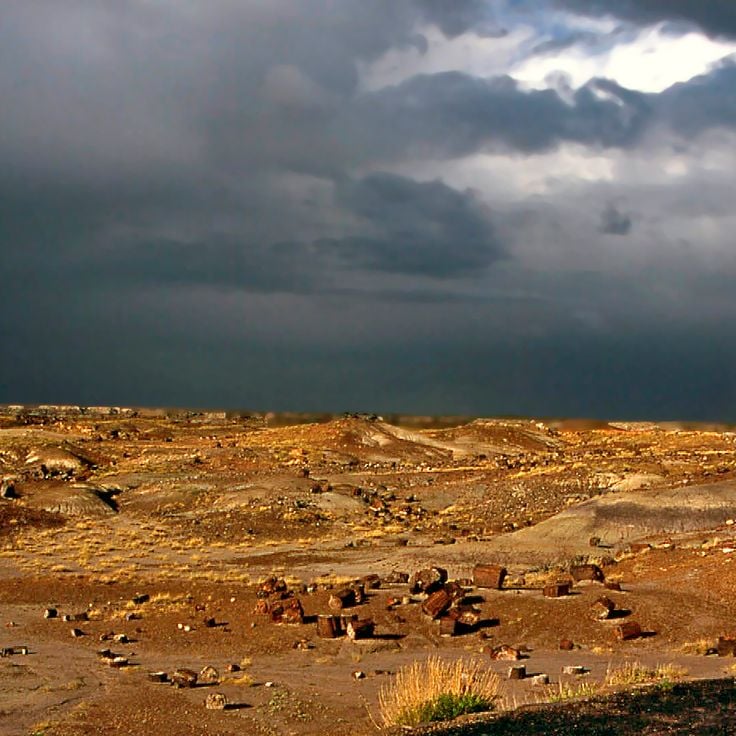
This national park preserves petrified tree trunks from the Triassic Period that formed roughly 225 million years ago through volcanic ash burial and mineral replacement. Quartz deposits give the fossil wood its red, blue and purple coloring. The park covers 346 square miles (895 square kilometers) and includes painted badlands of the Painted Desert along with more than 600 archaeological sites from Ancestral Puebloan cultures. Visitors follow a 28-mile scenic drive with overlooks and trails leading to concentrations of petrified logs.
Great Sand Dunes National Park contains dunes reaching up to 750 feet (229 meters) in a landscape between mountain ranges and grassland, combining multiple ecosystems and offering hikes through dune fields plus access to alpine forests and wetlands.
The red sandstone formations of Monument Valley rise up to 300 feet (90 meters) above the desert floor of the Colorado Plateau. Managed by the Navajo Nation, the area sits on the border between Arizona and Utah and displays geological structures shaped by millions of years of erosion. Visitors explore the 17 mile (27 kilometer) loop road through the valley, which provides access to distinct rock formations and viewing points.
This monument spans the Colorado-Utah border and preserves over 800 paleontological sites containing fossils from the Jurassic period. Beyond the dinosaur remains, the area features deep canyons carved by the Green and Yampa rivers, along with Fremont culture petroglyphs. Visitors can explore the Quarry Exhibit Hall, where a rock face displays approximately 1,500 exposed dinosaur bones left in place.
White Sands National Park covers 275 square miles (712 square kilometers) of white gypsum dunes that form the largest gypsum deposit on Earth. The dunes create a constantly shifting landscape of fine, crystalline sand that remains cool underfoot. Visitors can hike marked trails, sled down the dunes or observe wildlife adapted to this harsh environment.
Carlsbad Caverns National Park protects 119 underground caves that extend 29 miles (46 kilometers) beneath the surface of the Guadalupe Mountains. The caves formed over millions of years through limestone dissolution by sulfuric acid and feature stalactite and stalagmite formations. Visitors explore the caves via a marked trail system that passes through several large chambers, including the Big Room, one of North America's largest natural cave chambers covering roughly 357,000 square feet (33,000 square meters). During summer months, large colonies of Brazilian free-tailed bats exit the caves at dusk.
This 1892 mine sits on a rock ledge above the Crystal River. The wooden structure served silver extraction and ranks among Colorado's most photographed mining ruins. Access requires a hike along a mountain road passable to vehicles in summer. The mill stands on private property but can be viewed from close range. The site lies within the Elk Mountains at an elevation of around 9,000 feet (2,740 meters).
This national park protects an 800-foot-deep (244-meter) gorge with dark schist and granite walls along the Gunnison River, formed by geological activity spanning two billion years and ranking among the steepest canyons in North America.
This 28-mile mountain road climbs to the summit of Mount Evans, reaching an elevation of 14,130 feet (4,307 meters). The route provides opportunities to observe mountain goats and marmots in their natural habitat.
Hovenweep National Monument spans the Colorado-Utah border and preserves six prehistoric Ancestral Puebloan villages built between the 12th and 13th centuries. The settlements feature distinctive stone towers, residential units and ceremonial structures positioned on canyon rims and isolated boulder clusters. Archaeological research has provided information about architecture, farming practices and social organization during this period, making the monument a key reference point for understanding Pueblo cultures in the Four Corners region.
These geothermal mineral springs sit within red sandstone formations and maintain water temperatures between 99 and 109 degrees Fahrenheit (37 to 43 degrees Celsius). The springs have created mineral deposits over thousands of years that form terraces and pools. Warm water rises from an underground source and collects in several natural pools of varying size and depth. The surrounding red rock sandstone walls enhance the visual setting of the site.
The Wolf Creek ski area sits at 10,800 feet (3,300 meters) and receives an average of 30 feet (9 meters) of snow annually. The resort covers 1,600 acres (650 hectares) of terrain in southern Colorado.
This archaeological site preserves Pueblo settlements from the 9th through 13th centuries, featuring elaborate stone masonry and ceremonial structures. The site displays the architectural evolution of the Chaco culture, which built multi-story complexes containing up to 400 rooms. Visitors explore the ruins of Pueblo Bonito and other great houses that served as centers for trade and religious practices. The site lies in a remote section of the New Mexico high desert.
Parc national de Mesa Verde protects over 4,000 archaeological sites and contains 600 cliff dwellings built by the Anasazi in the 12th century. The settlements are set into rock alcoves across roughly 52,000 acres (211 square kilometers) of Colorado plateau terrain. Archaeologists have documented residential structures, ceremonial rooms and storage facilities of Pueblo culture. The sites span several canyons and represent different construction periods between AD 600 and 1300.
Canyonlands National Park displays deep gorges carved by the Colorado River and its tributaries into red sandstone. Erosion has created three distinct districts: Island in the Sky, The Needles, and The Maze. Visitors find rock formations, natural arches, and high plateaus rising roughly 1,000 feet (300 meters) above the canyon floors. The area preserves archaeological sites from Ancestral Puebloans and offers trails through geological formations spanning different periods.
Château Bishop is a stone structure that one builder constructed over six decades using regional materials and traditional methods. The site demonstrates individual architectural achievement outside established building traditions and showcases masonry techniques from an era before industrial prefabrication. The structure rises from the prairie landscape southeast of Pueblo, documenting a singular commitment to manual construction. Visitors can examine the stonework and learn about the builder's methods through displays on site.
This national park preserves petrified tree trunks from the Triassic Period that formed roughly 225 million years ago through volcanic ash burial and mineral replacement. Quartz deposits give the fossil wood its red, blue and purple coloring. The park covers 346 square miles (895 square kilometers) and includes painted badlands of the Painted Desert along with more than 600 archaeological sites from Ancestral Puebloan cultures. Visitors follow a 28-mile scenic drive with overlooks and trails leading to concentrations of petrified logs.
Great Sand Dunes National Park contains dunes reaching up to 750 feet (229 meters) in a landscape between mountain ranges and grassland, combining multiple ecosystems and offering hikes through dune fields plus access to alpine forests and wetlands.
The red sandstone formations of Monument Valley rise up to 300 feet (90 meters) above the desert floor of the Colorado Plateau. Managed by the Navajo Nation, the area sits on the border between Arizona and Utah and displays geological structures shaped by millions of years of erosion. Visitors explore the 17 mile (27 kilometer) loop road through the valley, which provides access to distinct rock formations and viewing points.
This monument spans the Colorado-Utah border and preserves over 800 paleontological sites containing fossils from the Jurassic period. Beyond the dinosaur remains, the area features deep canyons carved by the Green and Yampa rivers, along with Fremont culture petroglyphs. Visitors can explore the Quarry Exhibit Hall, where a rock face displays approximately 1,500 exposed dinosaur bones left in place.
White Sands National Park covers 275 square miles (712 square kilometers) of white gypsum dunes that form the largest gypsum deposit on Earth. The dunes create a constantly shifting landscape of fine, crystalline sand that remains cool underfoot. Visitors can hike marked trails, sled down the dunes or observe wildlife adapted to this harsh environment.
Carlsbad Caverns National Park protects 119 underground caves that extend 29 miles (46 kilometers) beneath the surface of the Guadalupe Mountains. The caves formed over millions of years through limestone dissolution by sulfuric acid and feature stalactite and stalagmite formations. Visitors explore the caves via a marked trail system that passes through several large chambers, including the Big Room, one of North America's largest natural cave chambers covering roughly 357,000 square feet (33,000 square meters). During summer months, large colonies of Brazilian free-tailed bats exit the caves at dusk.
This 1892 mine sits on a rock ledge above the Crystal River. The wooden structure served silver extraction and ranks among Colorado's most photographed mining ruins. Access requires a hike along a mountain road passable to vehicles in summer. The mill stands on private property but can be viewed from close range. The site lies within the Elk Mountains at an elevation of around 9,000 feet (2,740 meters).
This national park protects an 800-foot-deep (244-meter) gorge with dark schist and granite walls along the Gunnison River, formed by geological activity spanning two billion years and ranking among the steepest canyons in North America.
This 28-mile mountain road climbs to the summit of Mount Evans, reaching an elevation of 14,130 feet (4,307 meters). The route provides opportunities to observe mountain goats and marmots in their natural habitat.
Hovenweep National Monument spans the Colorado-Utah border and preserves six prehistoric Ancestral Puebloan villages built between the 12th and 13th centuries. The settlements feature distinctive stone towers, residential units and ceremonial structures positioned on canyon rims and isolated boulder clusters. Archaeological research has provided information about architecture, farming practices and social organization during this period, making the monument a key reference point for understanding Pueblo cultures in the Four Corners region.
These geothermal mineral springs sit within red sandstone formations and maintain water temperatures between 99 and 109 degrees Fahrenheit (37 to 43 degrees Celsius). The springs have created mineral deposits over thousands of years that form terraces and pools. Warm water rises from an underground source and collects in several natural pools of varying size and depth. The surrounding red rock sandstone walls enhance the visual setting of the site.
The Wolf Creek ski area sits at 10,800 feet (3,300 meters) and receives an average of 30 feet (9 meters) of snow annually. The resort covers 1,600 acres (650 hectares) of terrain in southern Colorado.
This archaeological site preserves Pueblo settlements from the 9th through 13th centuries, featuring elaborate stone masonry and ceremonial structures. The site displays the architectural evolution of the Chaco culture, which built multi-story complexes containing up to 400 rooms. Visitors explore the ruins of Pueblo Bonito and other great houses that served as centers for trade and religious practices. The site lies in a remote section of the New Mexico high desert.
Parc national de Mesa Verde protects over 4,000 archaeological sites and contains 600 cliff dwellings built by the Anasazi in the 12th century. The settlements are set into rock alcoves across roughly 52,000 acres (211 square kilometers) of Colorado plateau terrain. Archaeologists have documented residential structures, ceremonial rooms and storage facilities of Pueblo culture. The sites span several canyons and represent different construction periods between AD 600 and 1300.