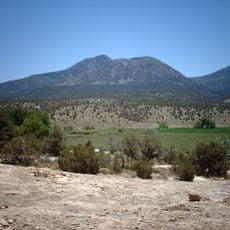
Hovenweep National Monument, Archaeological site and nature reserve in San Juan and Montezuma Counties, United States.
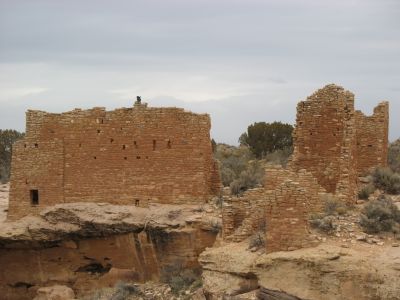
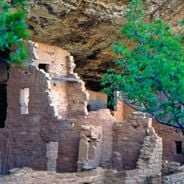
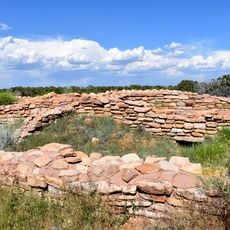
Hovenweep National Monument protects six groups of Ancestral Puebloan village ruins on Cajon Mesa, between Cortez, Colorado, and Blanding, Utah. The structures include Hovenweep Castle, Hovenweep House, Square Tower, Rim Rock House, Twin Towers, Stronghold House and Unit-type house. Builders set walls of roughly cut tan, brown and reddish-brown stone directly on uneven rock slabs without leveling foundations. Towers vary in plan: D-shaped, square, oval and round, with narrow windows or viewing slots.
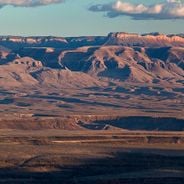
Paleo-Indians hunted along the Cajon Mesa as early as 8000 BC, and Archaic-Early Basketmaker groups left traces at about 20 sites from around 6000 BC. Ancestral Puebloans built the stone pueblos and towers between 1230 and 1275, when some 2,500 residents lived here. The villages were abandoned by the end of the 13th century, likely because of a drought across the Four Corners region.
The ruins reveal skilled construction methods through structures like Hovenweep Castle and Square Tower, built by residents near water sources. These buildings show how the community adapted to life in this dry region and organized itself around essential resources.
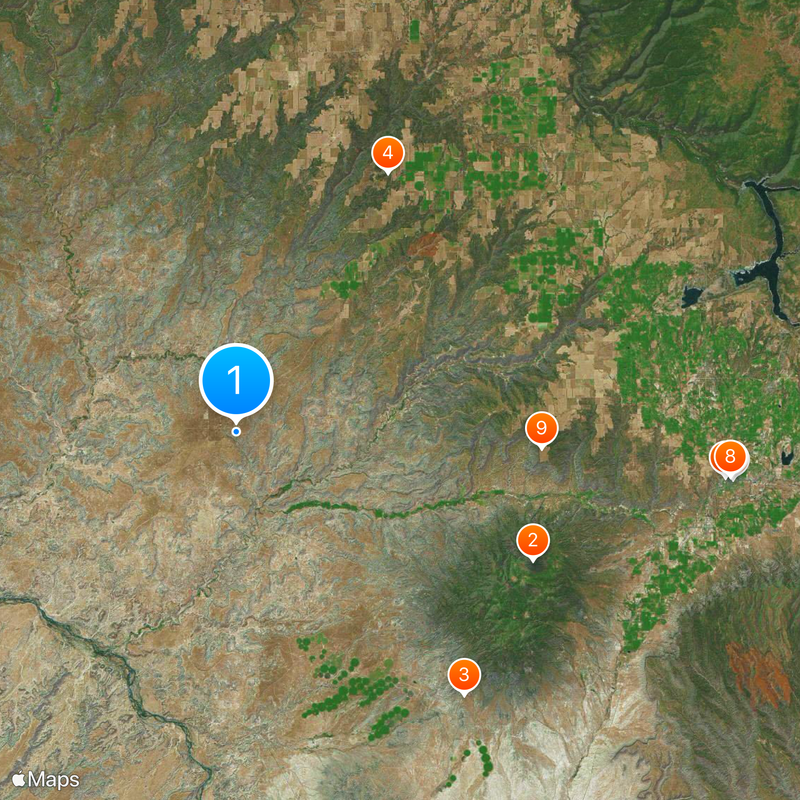
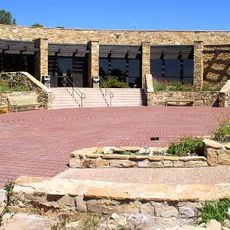
The Square Tower Group, the largest of the six village groups, is reached by a 2-mile (3.2 km) loop trail from the visitor center. The other five groups lie on unpaved roads in Colorado and Utah and are reached by short, unmarked trails. Spring and fall bring mild temperatures; summer afternoons are hot and exposed.
The monument holds International Dark Sky Park status, offering exceptional conditions for astronomical observation without light pollution interference. This makes it a rare location where visitors can experience the night sky in natural clarity.
The community of curious travelers
AroundUs brings together thousands of curated places, local tips, and hidden gems, enriched daily by 93,627 contributors worldwide.