From underground caves to pure gypsum fields, New Mexico offers landscapes shaped by millions of years of geology and the cultures that have left their marks there.
New Mexico combines geological formations with historical sites spanning multiple periods. The region includes cave systems such as Carlsbad Caverns, extensive gypsum fields at White Sands, volcanic landscapes at El Malpais National Monument, and unusual rock formations in the Bisti/De-Na-Zin Wilderness. The territory also preserves evidence of pre-Columbian and Spanish settlement, including pueblo ruins, cliff dwellings, and seventeenth-century mission complexes. Sites range from ancient petroglyphs at Three Rivers to military installations like Fort Union. Natural attractions include hot springs at Jemez Springs, the volcanic crater of Valles Caldera, and the deep blue waters of Blue Hole. The collection features archaeological monuments such as Chaco Culture and Bandelier, geological curiosities like the hoodoos at Tent Rocks, and historic pueblos including Taos, which has been continuously inhabited for over a thousand years.
From underground caves to pure gypsum fields, New Mexico offers landscapes shaped by millions of years of geology and the cultures that have left their marks there.
New Mexico combines geological formations with historical sites spanning multiple periods. The region includes cave systems such as Carlsbad Caverns, extensive gypsum fields at White Sands, volcanic landscapes at El Malpais National Monument, and unusual rock formations in the Bisti/De-Na-Zin Wilderness. The territory also preserves evidence of pre-Columbian and Spanish settlement, including pueblo ruins, cliff dwellings, and seventeenth-century mission complexes. Sites range from ancient petroglyphs at Three Rivers to military installations like Fort Union. Natural attractions include hot springs at Jemez Springs, the volcanic crater of Valles Caldera, and the deep blue waters of Blue Hole. The collection features archaeological monuments such as Chaco Culture and Bandelier, geological curiosities like the hoodoos at Tent Rocks, and historic pueblos including Taos, which has been continuously inhabited for over a thousand years.
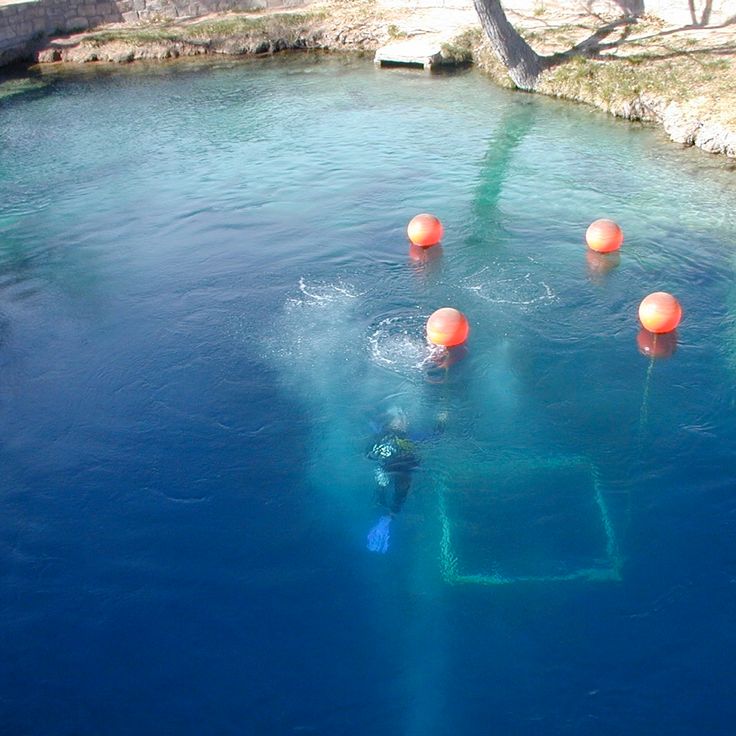
This natural spring basin reaches a depth of 80 feet (24 meters) with a constant water temperature of 64 degrees Fahrenheit (18 degrees Celsius) and serves as a training site for scuba divers and free divers. The Blue Hole represents one of the geological formations in New Mexico that, along with caves, desert landscapes and volcanic areas, demonstrates the natural variety of the region.
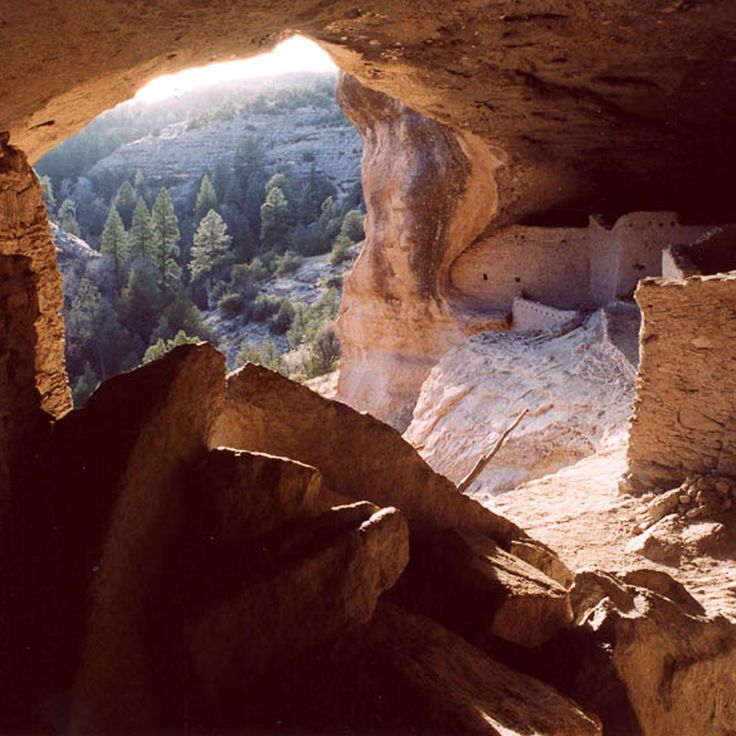
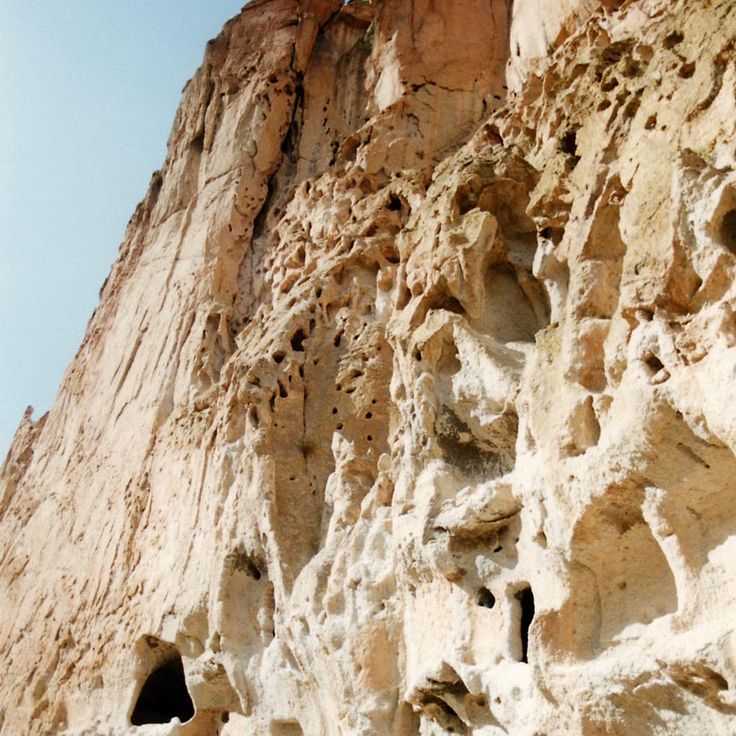
These rock cave settlements contain 46 rooms built by the indigenous Mogollon people. The dwellings occupy natural alcoves and demonstrate the construction methods and living patterns of this prehistoric culture. The Gila Cliff Dwellings National Monument preserves these archaeological remains and provides insight into the settlement history of New Mexico between the 13th and 14th centuries.
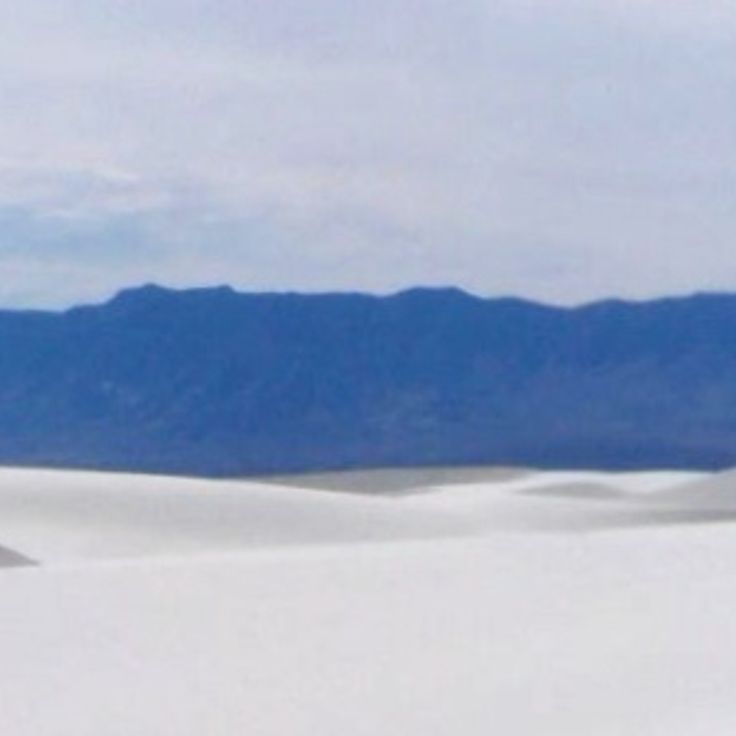
This national park covers 275 square miles (712 square kilometers) of white gypsum dunes, the largest gypsum formation in North America. The desert landscape represents one of New Mexico's significant geological sites, displaying a rare accumulation of pure gypsum mineral deposited over thousands of years from an ancient lake.
This national monument contains twelfth-century dwellings, Pueblo rock art, and a 33,000-acre (13,350-hectare) natural preservation area. The cliff dwellings were carved into volcanic tuff walls and document Ancestral Pueblo settlement history. Trails lead through canyons to archaeological sites and volcanic formations.
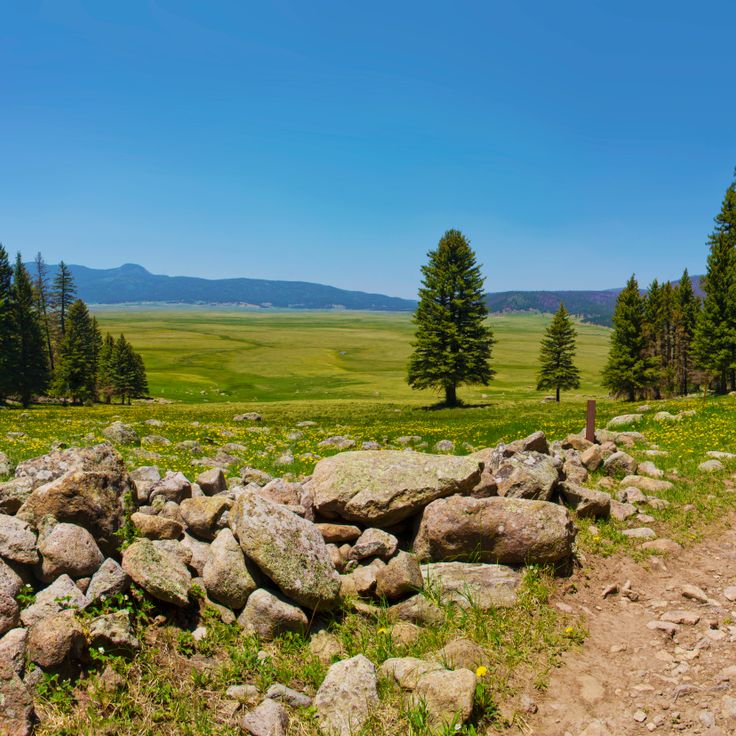
This preserve sits within a volcanic crater measuring roughly 14 miles (22 kilometers) across, formed over a million years ago. The Valles Caldera National Preserve offers trails through grasslands and forests where visitors can observe elk, deer and various bird species. In winter, the paths become cross-country ski routes that traverse the snow-covered high country.
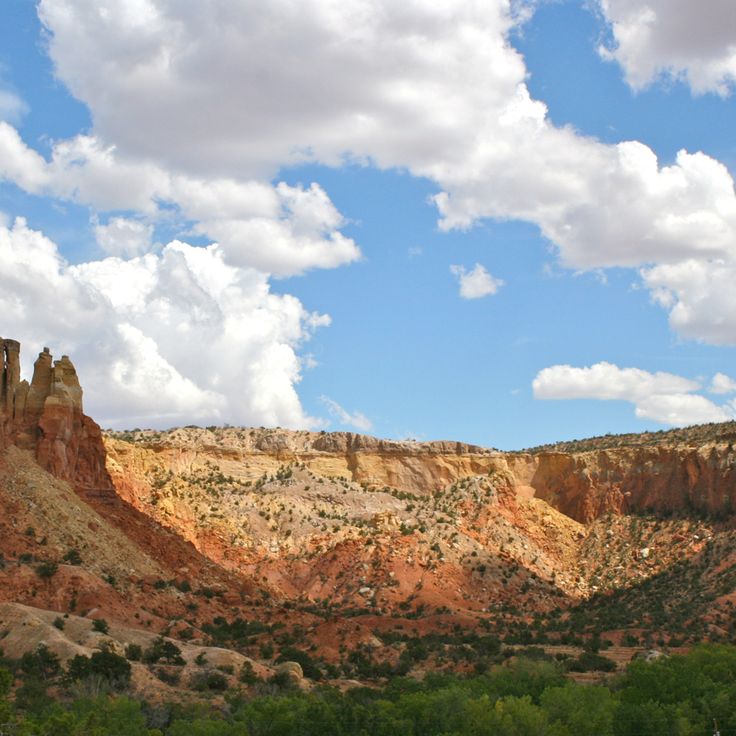
This educational center in New Mexico's desert landscape houses two museums with Jurassic period dinosaur fossils and offers art classes in the environment where Georgia O'Keeffe once lived and worked. Ghost Ranch sits within a geological formation featuring red and yellow sandstone cliffs that O'Keeffe captured in numerous paintings. The property combines paleontological sites with cultural history, providing visitors access to trails through the characteristic rock formations of the region.
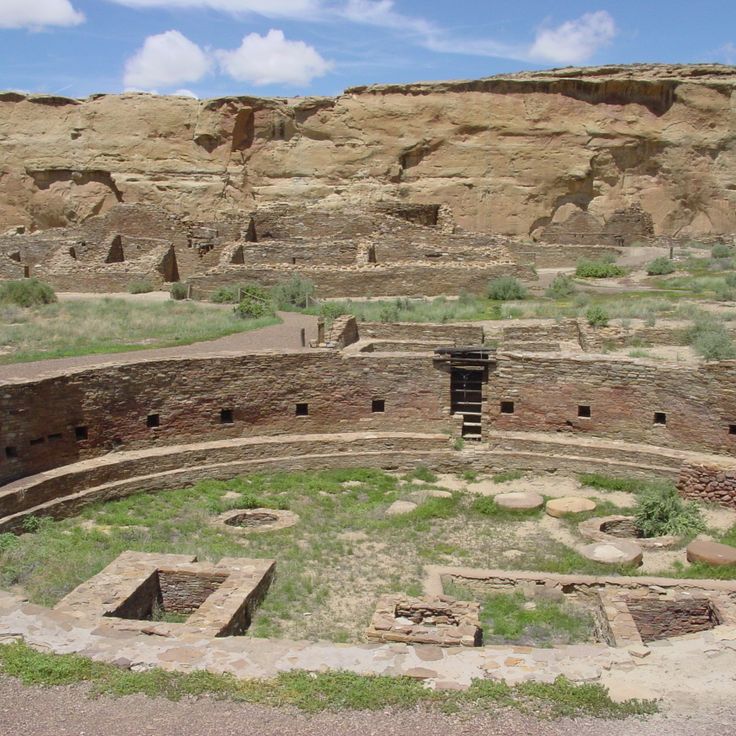
This historic park displays large Pueblo structures from the 9th to 13th centuries with astronomical alignments. The sites rank among the most significant archaeological finds of the Ancestral Puebloans in New Mexico and document advanced knowledge in architecture, community organization and celestial observation spanning several centuries.
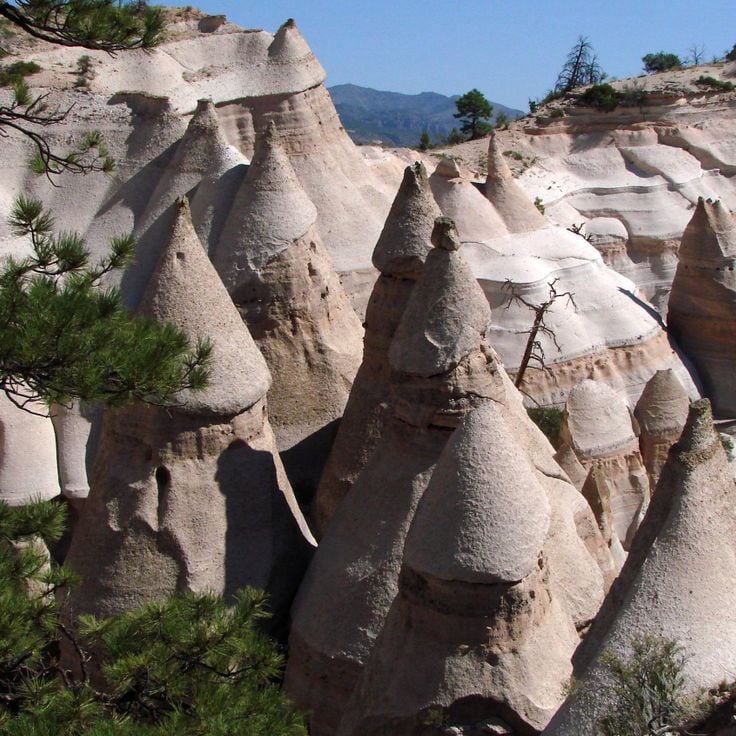
This national monument features cone-shaped rock formations created by volcanic deposits 6 to 7 million years ago. A trail leads through a narrow canyon between the rock structures. The area lies between Santa Fe and Albuquerque and documents the geological history of the region. The formations consist of pumice, tuff and volcanic ash. Access is through an unpaved road across Cochiti Pueblo land.
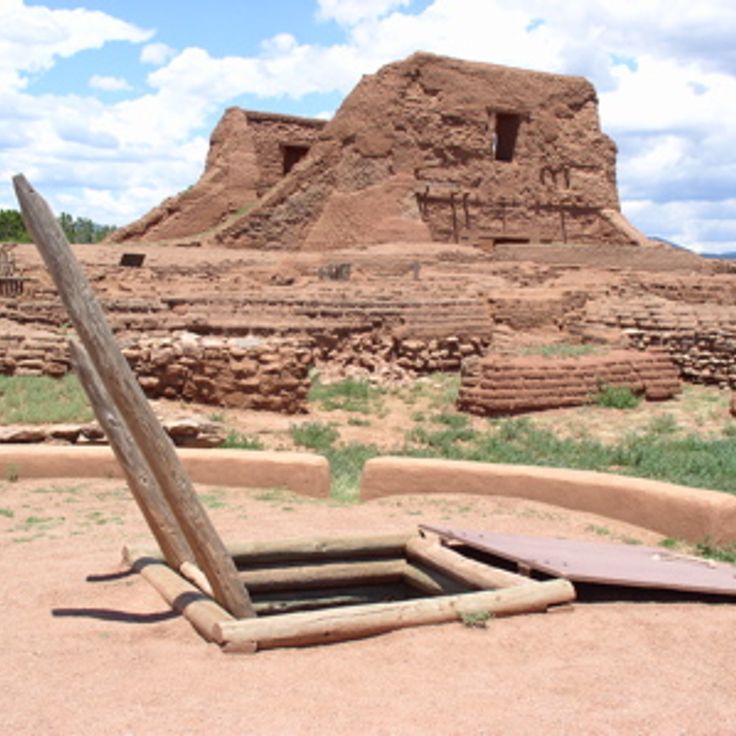
This park preserves the ruins of a Native American pueblo and a 17th-century Spanish mission. Pecos Pueblo served for centuries as a major trade center between Plains tribes and Rio Grande pueblos. The remains of the adobe mission church demonstrate early Spanish colonial efforts in New Mexico. A trail leads through the archaeological site with reconstructed kivas and living areas. The visitor center presents artifacts and explains the history of the Pecos people, European colonization, and the Santa Fe Trail that later passed through the area.
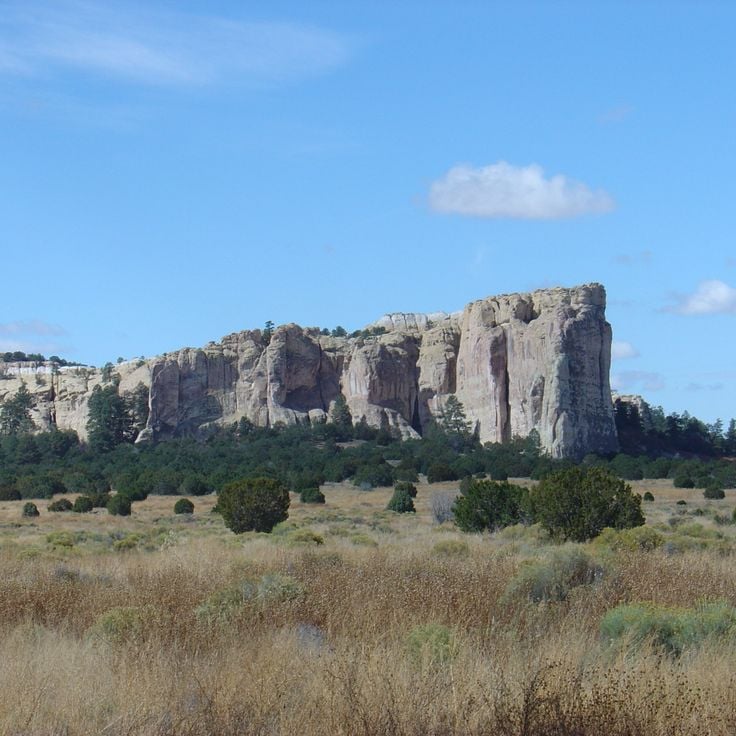
This national monument preserves Inscription Rock, a sandstone bluff where hundreds of inscriptions left by Spanish conquistadors, American soldiers, and pioneers between the 16th and 19th centuries document the passage of travelers. El Morro combines geological formations with recorded travel history, adding to the historical sites of New Mexico through material evidence of human movement across this desert landscape.
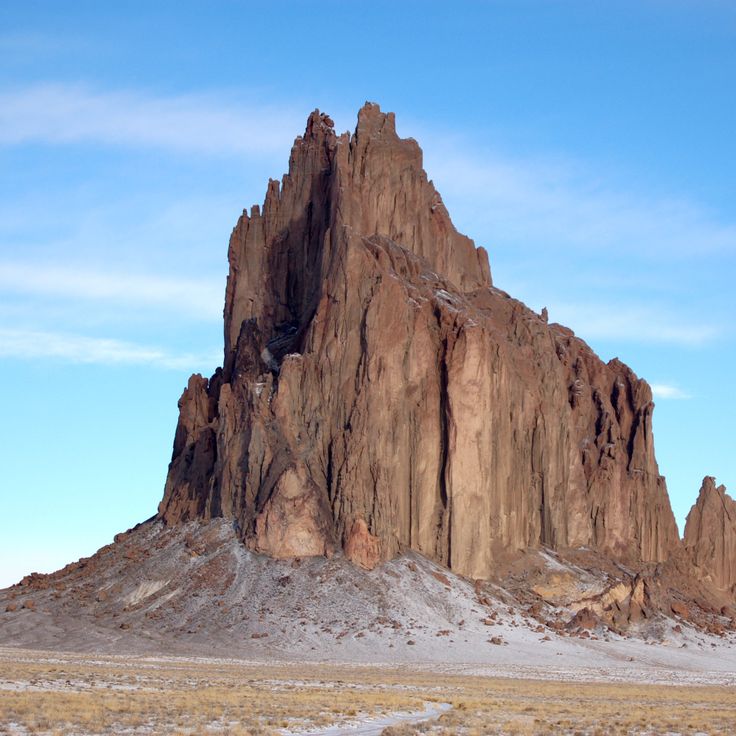
This formation, a 482-meter (1,583-foot) volcanic structure, rises from the northwestern New Mexico plain and remains a sacred site to the Navajo people, who call it Tsé Bitʼaʼí, meaning winged rock, representing a key example of the natural geological features that define the region's desert terrain.
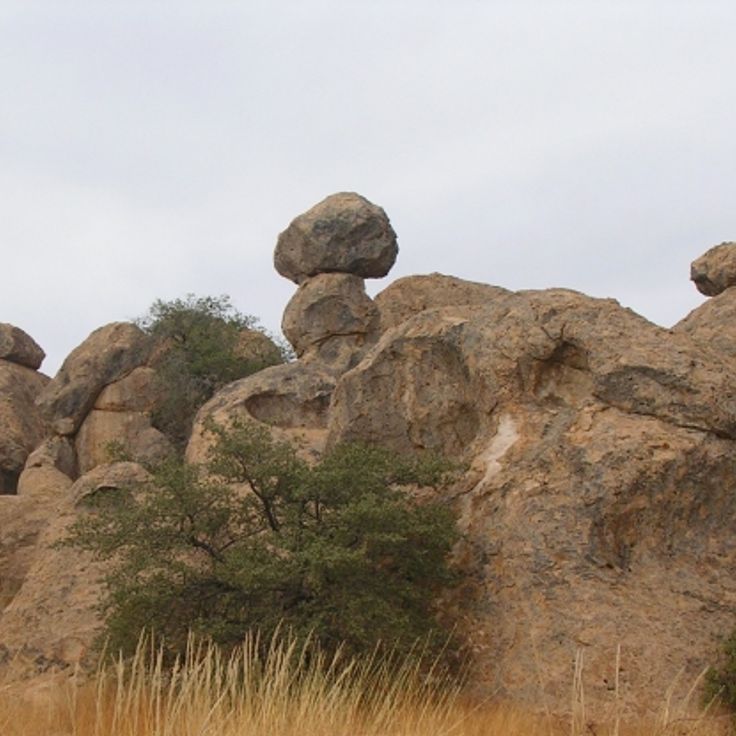
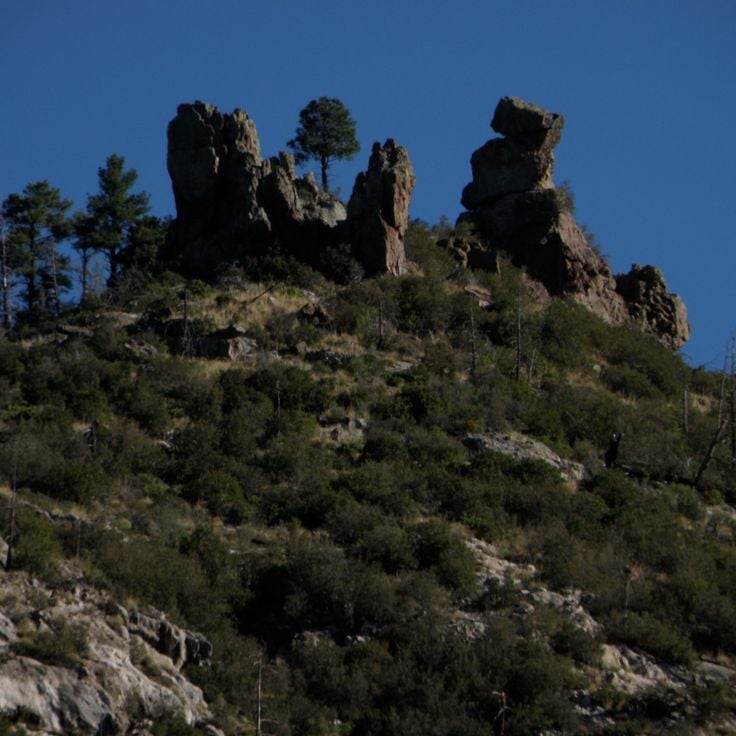
This state park protects volcanic rock formations that rise up to 40 feet (12 meters) from the desert floor and extend across approximately one square kilometer. The stone clusters formed from hardened volcanic ash around 35 million years ago and now create a distinct grouping in the Chihuahuan Desert of Grant County. The formation ranks among New Mexico's geological sites of interest and sits between Deming and Silver City at roughly 5,200 feet (1,600 meters) elevation.
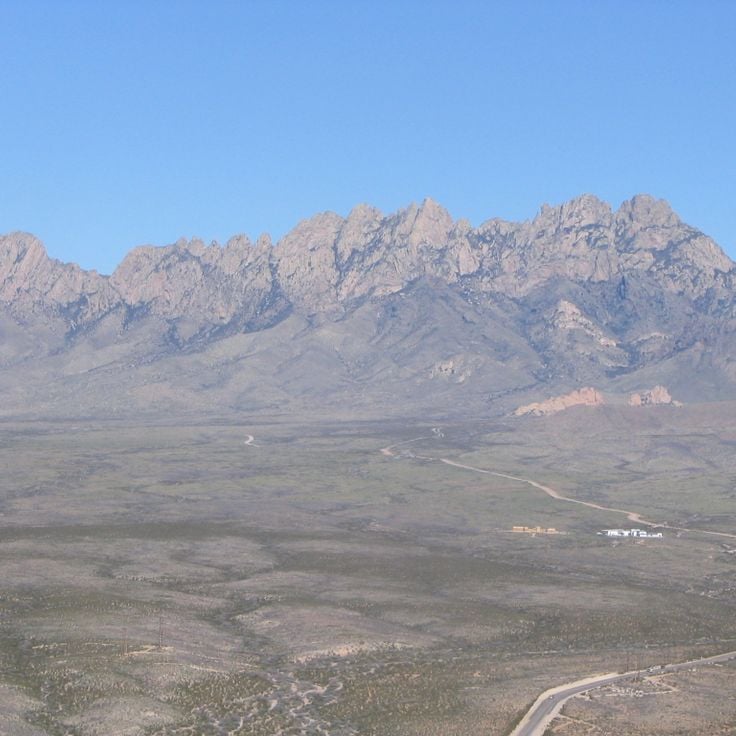
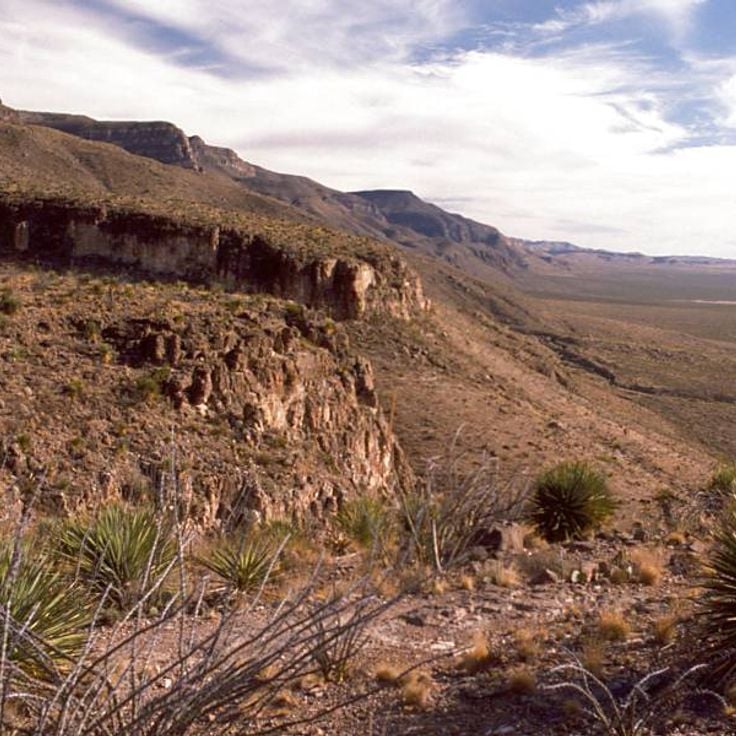
This protected area covers 496,000 acres (201,000 hectares) of desert land with archaeological sites and geological formations from prehistoric times. Organ Mountains-Desert Peaks National Monument preserves rock carvings, former trade routes and settlement remains in a region defined by its jagged mountain ranges and volcanic structures. The monument provides access to hiking trails and viewpoints where visitors can observe the desert terrain and rugged peaks.
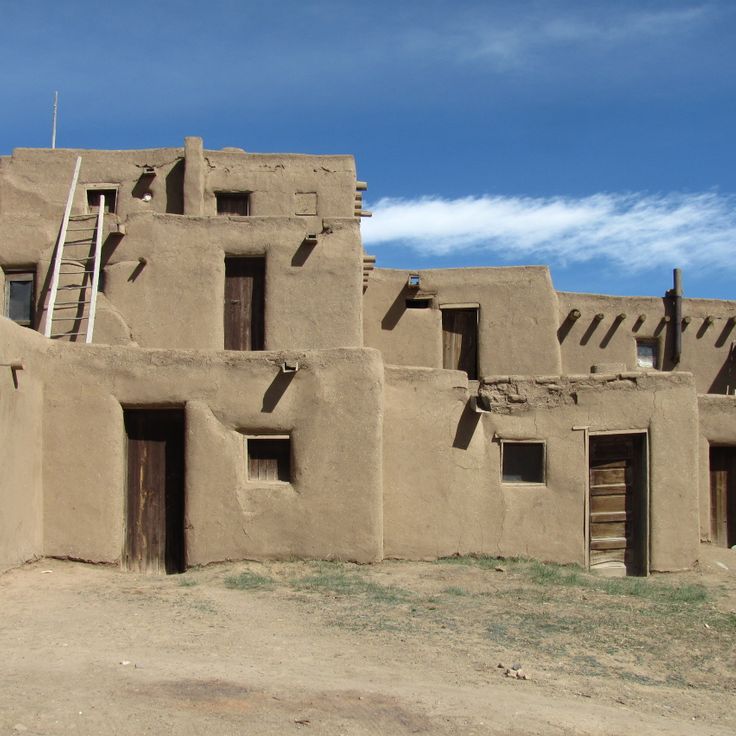
This traditional Pueblo village in the northern New Mexico mountains consists of multi-story adobe buildings that have remained continuously inhabited for over a thousand years. The earthen structures along the Rio Pueblo de Taos demonstrate pre-Columbian construction techniques and form one of the oldest continuously occupied communities in North America. The settlement preserves its cultural traditions and religious practices while offering visitors insight into Pueblo history and ways of life.
This radio telescope features 27 movable antennas, each 82 feet (25 meters) in diameter, used to study astronomical objects. The Very Large Array sits on the Plains of San Agustin, capturing radio waves from space. The antennas travel on rails into different configurations to receive signals from stars, galaxies and other cosmic sources. Visitors can tour the facility and learn how astronomers use these instruments to map celestial bodies.
This state park in New Mexico offers a lake stocked for bass and catfish angling. The site preserves around 500 fossilized dinosaur tracks embedded in sandstone, providing insight into prehistoric activity from millions of years ago. The footprints lie along a trail near the lake shore and document several dinosaur species from the Cretaceous period.
This wilderness covers 230,000 acres (approximately 93,000 hectares) of pine forests, rivers, and mountain peaks across Catron County. The area supports elk, deer, and wild turkeys, forming an essential part of New Mexico's natural sites and historic places. Gila Wilderness was established in 1924 as the first designated wilderness in the United States, preserving diverse ecosystems in the mountains of southwestern New Mexico.
Jemez Springs is a village of 250 residents surrounded by red sandstone cliffs. The thermal springs at this New Mexico site reach temperatures between 100 and 180 degrees Fahrenheit (38 to 82 degrees Celsius), complementing the region's collection of geological formations and historical locations.
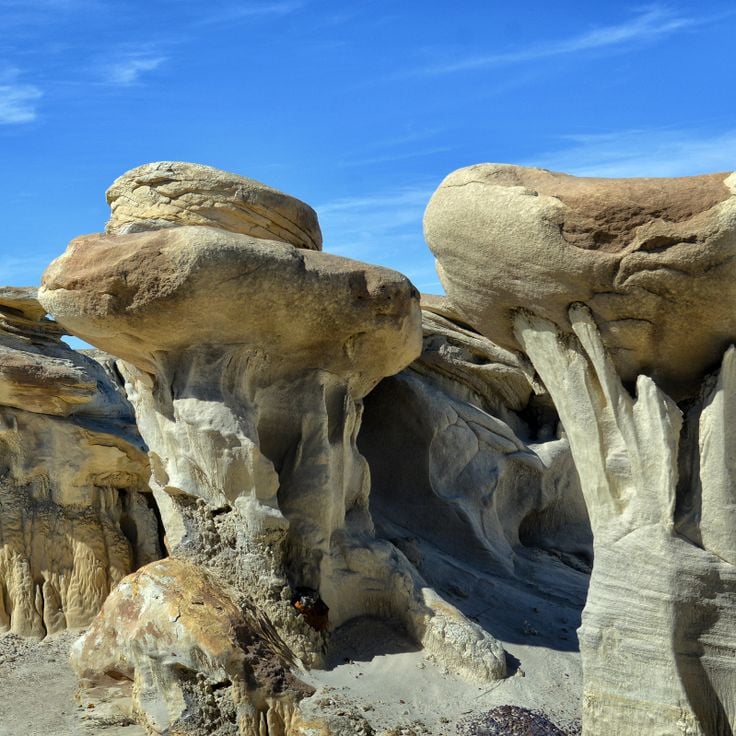
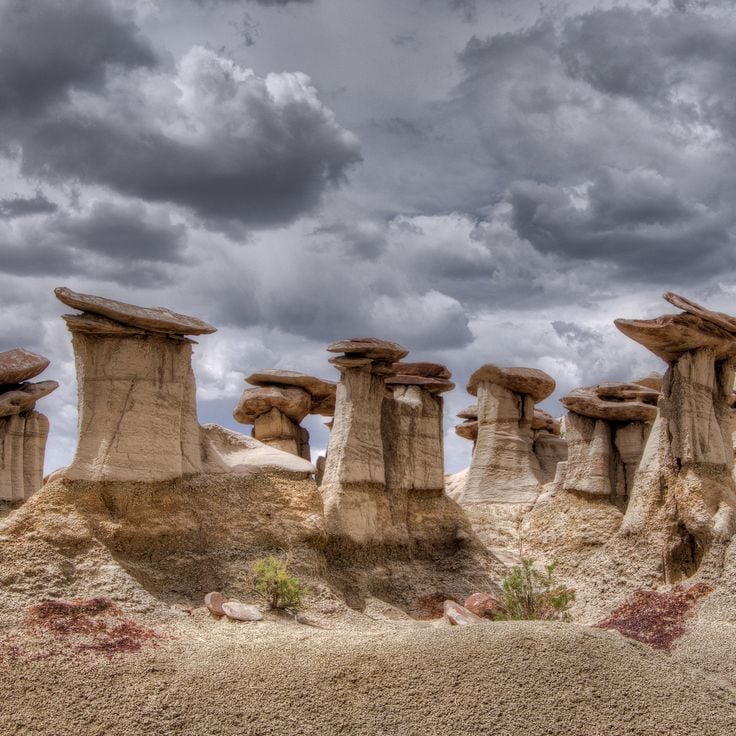
This 6,500-acre (2,630-hectare) wilderness study area in San Juan County preserves dinosaur fossils and petrified logs within gray and brown sandstone formations. The Ah-Shi-Sle-Pah Wilderness Study Area sits in northwestern New Mexico and displays geological structures from the Cretaceous period. The landscape includes eroded hoodoos, mesas, and badlands with exposed sedimentary layers. Visitors can hike through the terrain and observe petrified remains and colored rock formations that document millions of years of geological history.
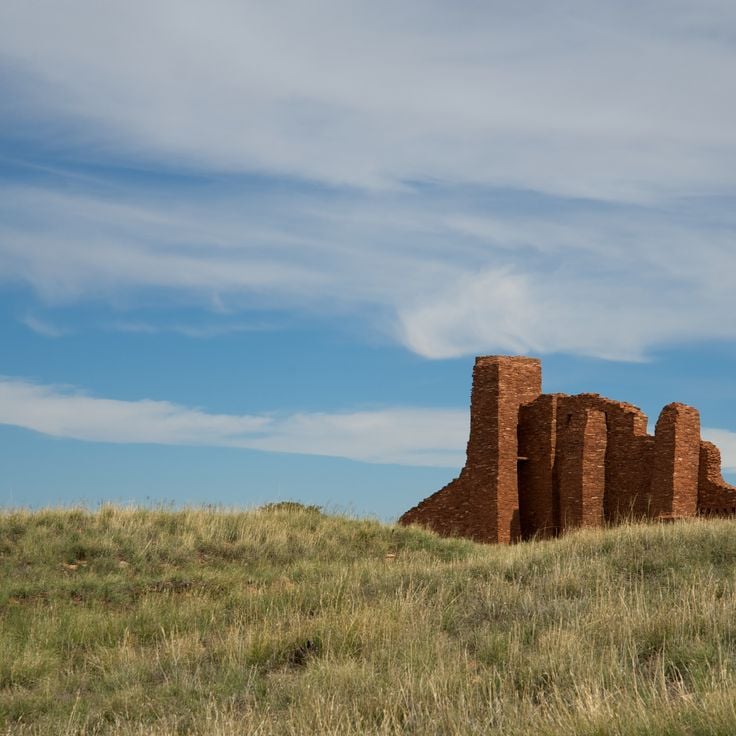
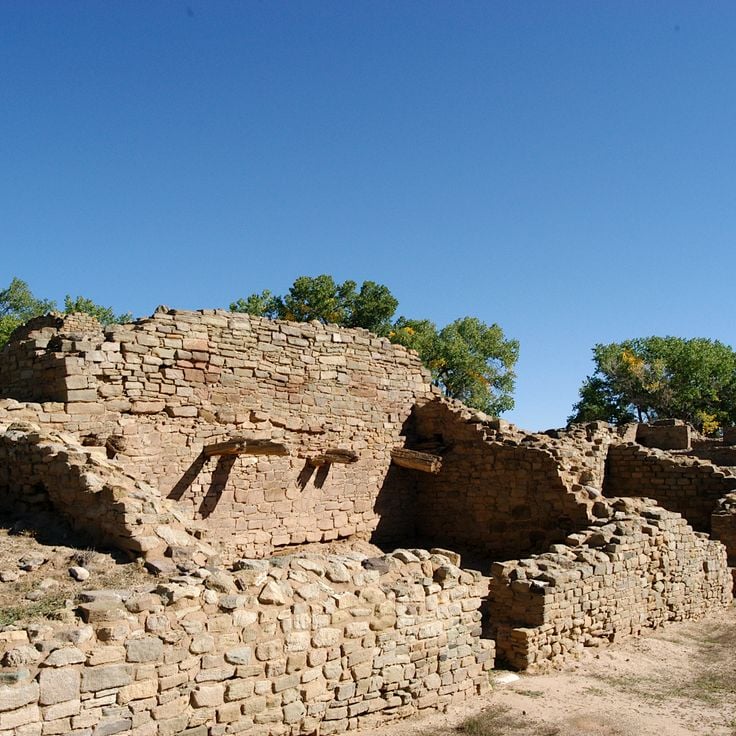
This national monument preserves the remains of Spanish mission churches from the 17th century that were built within settlements of Pueblo Native Americans. The sites document the intersection of European and indigenous cultures in the region. Visitors can explore the ruins of stone churches, residential structures, and kivas. The monument comprises three main mission complexes: Abó, Quarai, and Gran Quivira. The structures reflect Franciscan architecture and the building practices of the Pueblo peoples who lived here for centuries.
This historic site preserves indigenous rock paintings and documents human occupation across multiple time periods. La Cueva Historic Site contributes to the collection of natural formations and historical places in New Mexico with archaeological evidence of early cultures and their connection to the region.
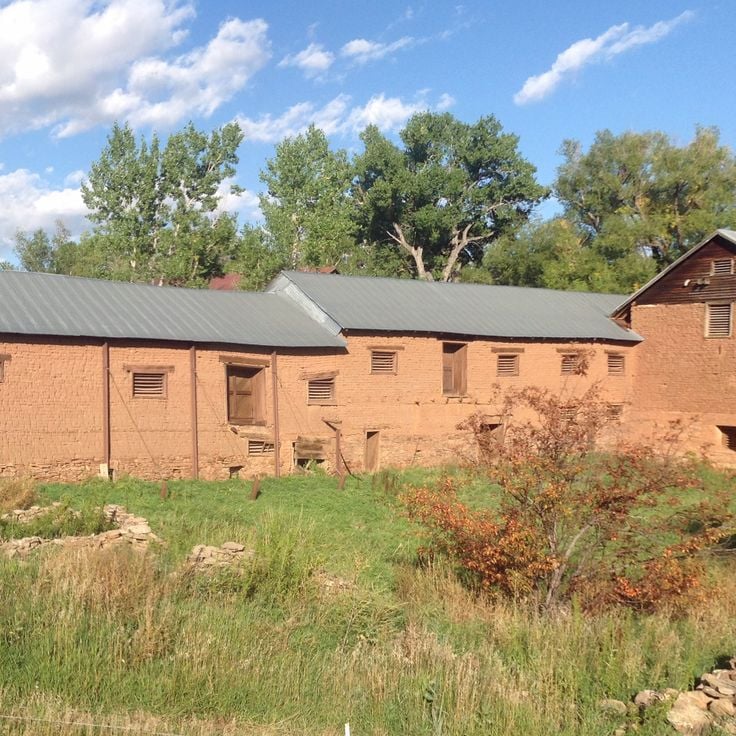
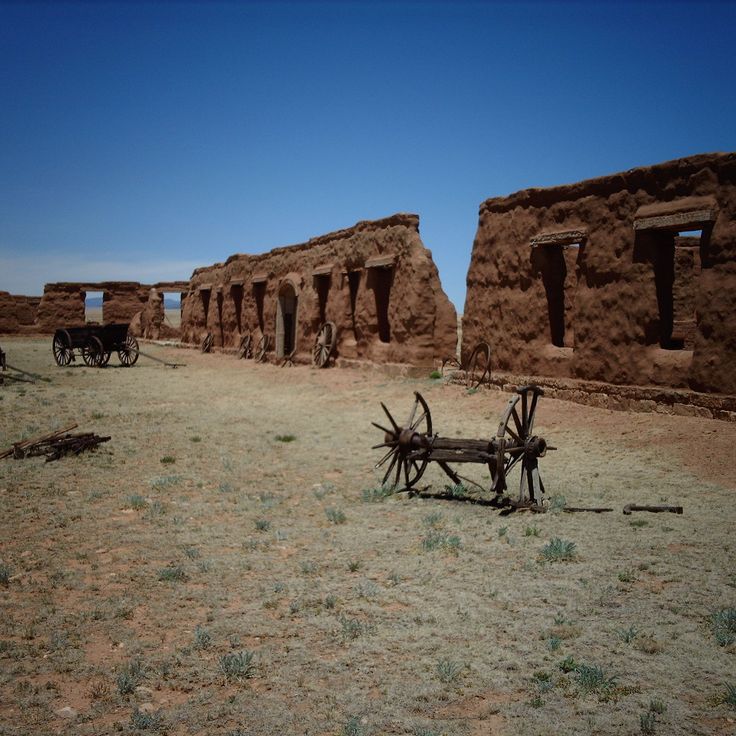
This military installation from the 19th century served as a trading post and supply depot along the Santa Fe Trail. Fort Union National Monument preserves the remains of three successive forts built between 1851 and 1891, documenting the United States military presence in New Mexico during westward expansion. The site includes ruins of barracks, storehouses, and officers' quarters spread across the high plains near the Sangre de Cristo Mountains. The monument protects evidence of military architecture and illustrates the strategic importance of the region during frontier conflicts and the Civil War.
This park at the base of the Sacramento Mountains preserves an 1890s ranch with original buildings and water infrastructure. Trails lead through desert vegetation to viewpoints overlooking the mountain range, and a canyon displays rock formations. Visitor center features exhibits on regional settlement history.
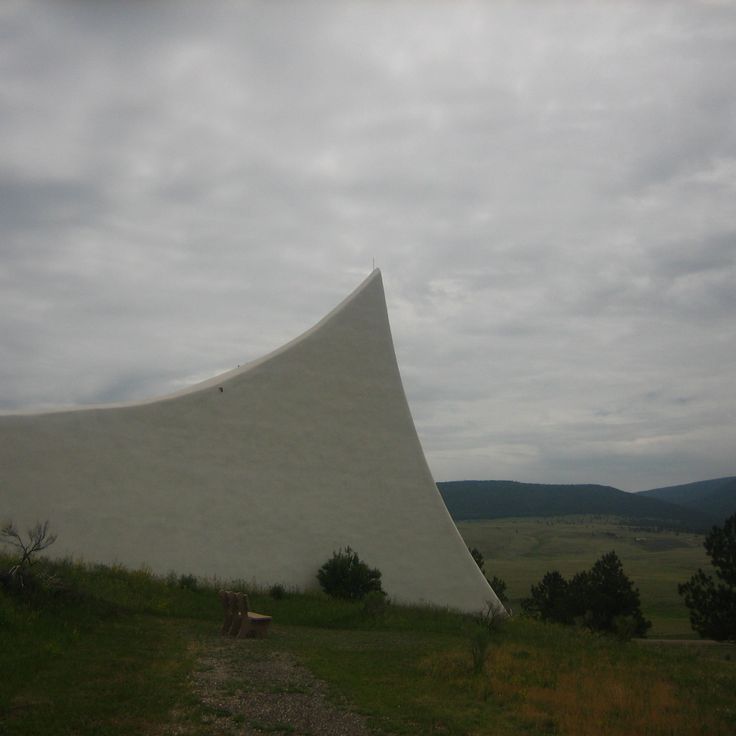
This memorial park features white walls built in 1968, along with monuments, a chapel, and exhibits on Vietnam War history. The Vietnam Veterans Memorial State Park sits in the mountains north of Taos and serves as a place of remembrance for those who died in the conflict. The park contains a visitor pavilion with information about the war years and personal items from veterans. The central memorial consists of a curved structure placed on a hillside, offering views across the surrounding Sangre de Cristo Mountains.
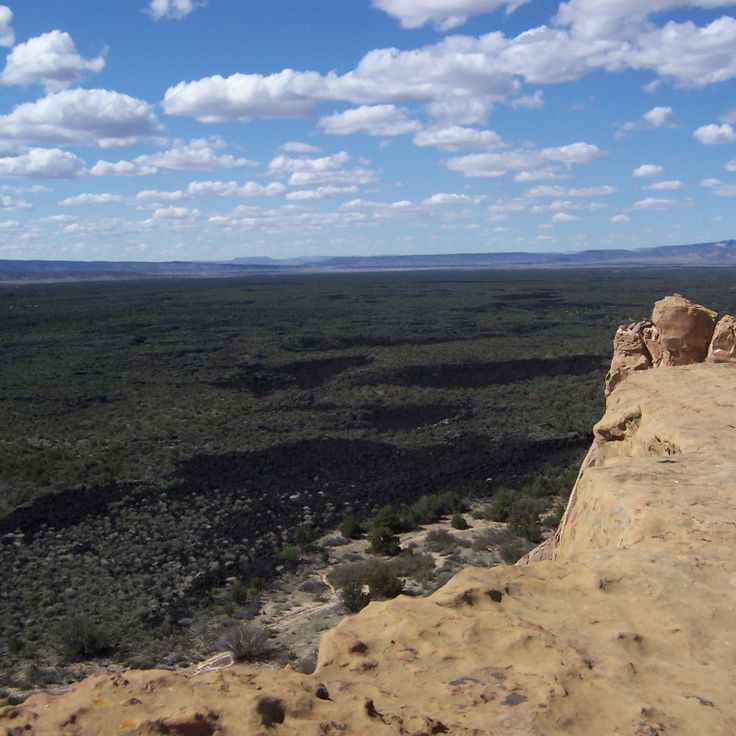
El Malpais National Monument covers 46,000 hectares (114,000 acres) and displays black basalt flows, underground caves and ancient sandstone cliffs from prehistoric volcanic eruptions. The area documents volcanic activity that occurred thousands of years ago and contains lava tubes, ice caves and geological formations. Trails lead through cooled lava fields and to viewpoints over the volcanic landscape.
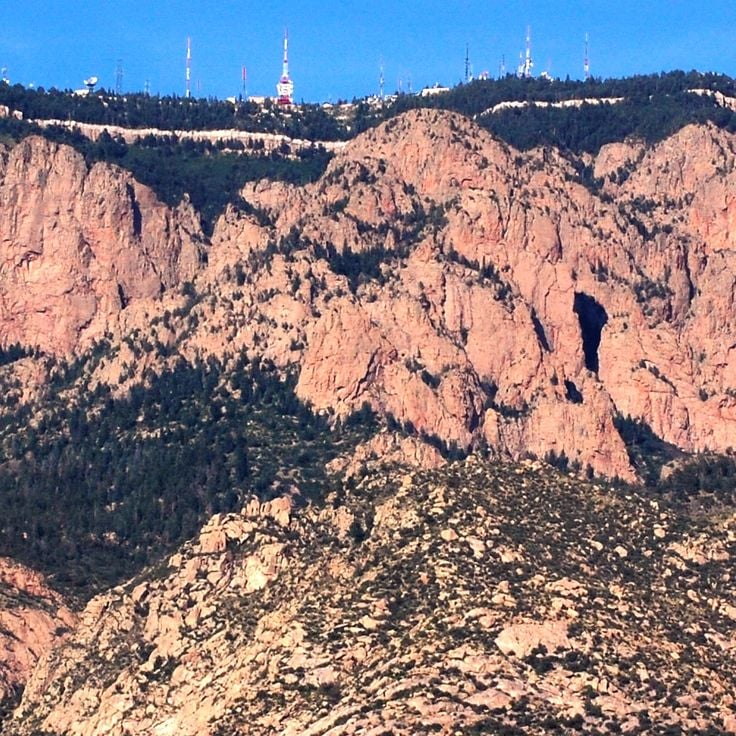
The Sandia Crest rises as the highest point of the Sandia Mountains at 10,678 feet (3,254 meters) and provides views of Albuquerque and the Rio Grande Valley. The summit sits roughly 13 miles (21 kilometers) northeast of the city and is accessible via the Sandia Crest Scenic Byway or the Sandia Peak Tramway, one of the longest aerial tramways in North America.
This museum houses documents, photographs and exhibits related to the 1947 Roswell UFO incident. The collection presents witness testimonies, military reports and artifacts documenting the event. The museum offers visitors insight into one of the most widely discussed UFO cases in American history, displaying various perspectives on the incident. Exhibits include original newspaper articles, official records and multimedia presentations that examine the claims and investigations surrounding the event.
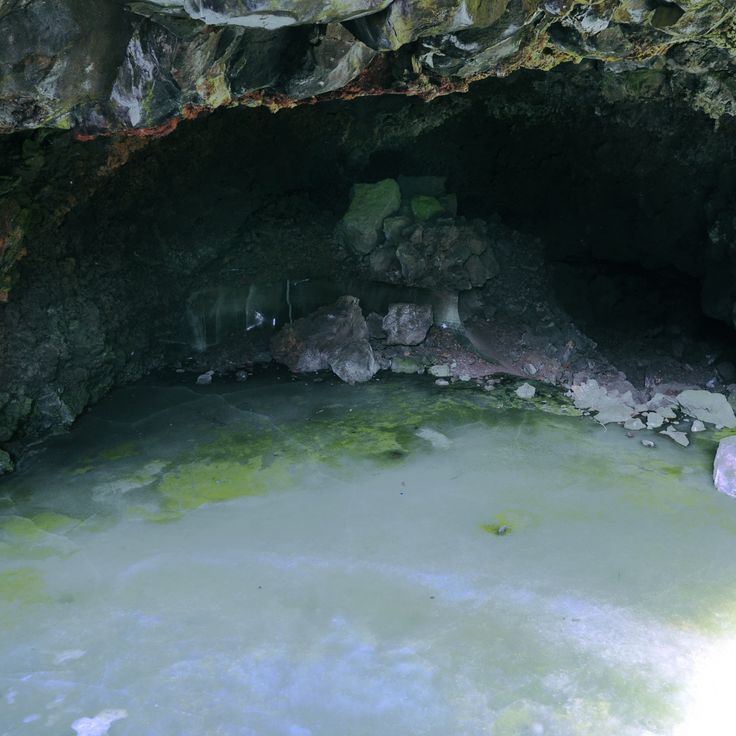
This volcanic crater contains a cave with permanent ice formations that maintain a constant temperature of 31°F (-3°C) throughout the year. The site sits in western New Mexico and combines volcanic activity with unusual geological conditions. Bandera Volcano and the ice cave provide insights into the region's volcanic history and demonstrate how lava flows shaped the landscape.
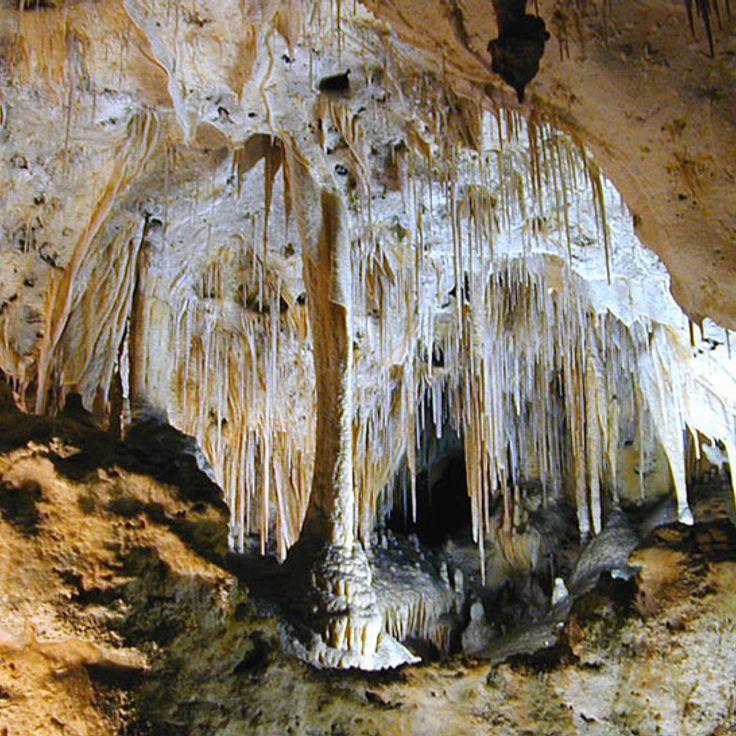
This national park protects a system of 119 limestone caves beneath the Chihuahuan Desert with mineral deposits, underground pools and bat colonies. The geological formations include stalactites, stalagmites and other structures that developed over millions of years. The caves provide habitat for several bat species, including the Brazilian free-tailed bat.
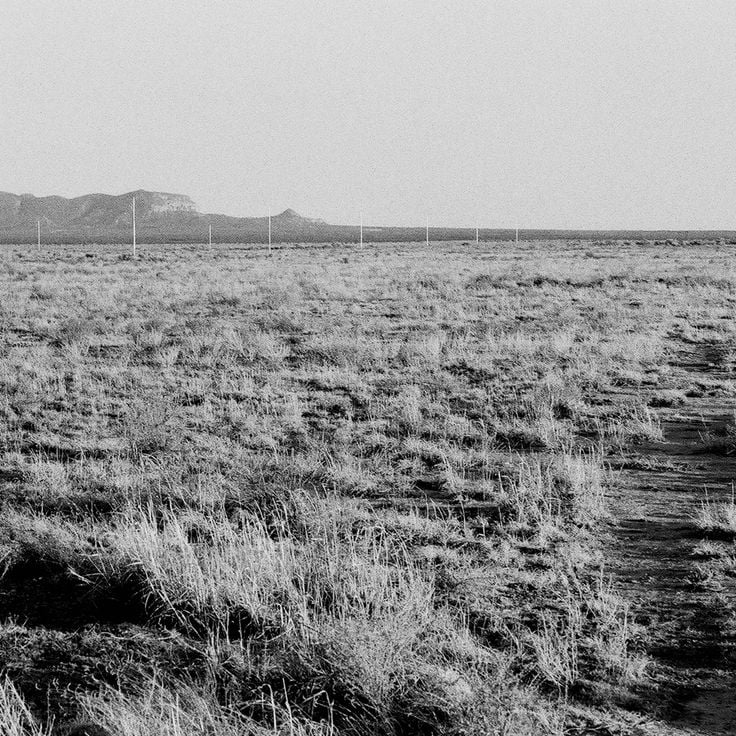
This land art installation consists of 400 polished stainless steel poles arranged in a precise grid across 1.6 square kilometers (one square mile) of high desert in New Mexico, positioned to attract lightning during electrical storms and creating a dialogue between human design and natural phenomena that reflects the geological and artistic character of the region.
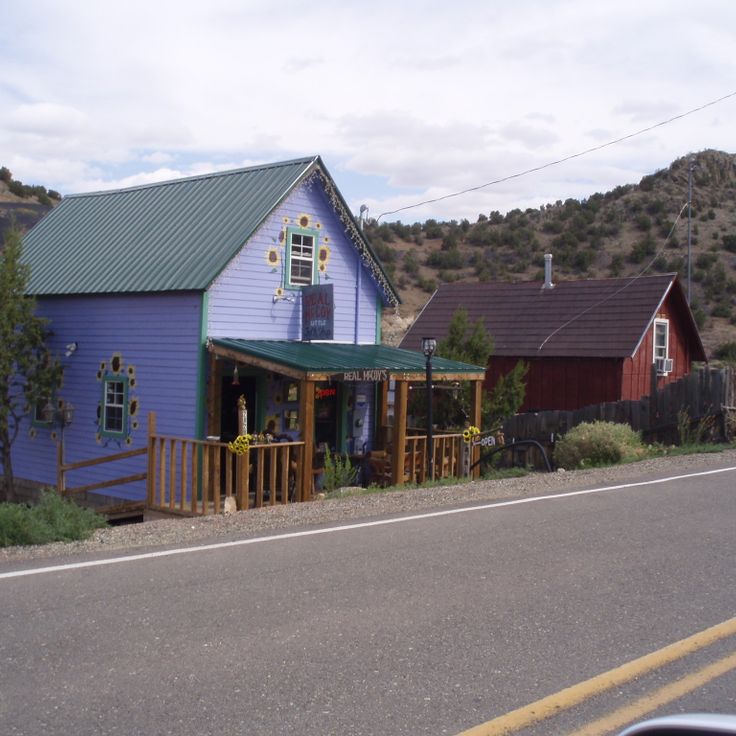
This former coal mining town from the 19th century sits along the Turquoise Trail between Albuquerque and Santa Fe. The abandoned settlement was revitalized in the 1970s by artists and craftspeople who converted the historic buildings into galleries, workshops and restaurants. The wooden structures lining the main street display typical mining camp architecture from the 1880s through 1950s. The village served as a film location for several western productions and now houses approximately 40 residents working primarily in creative trades.
This monument preserves a pueblo structure built by the Ancestral Pueblo people between the 12th and 13th centuries, containing 400 rooms and a reconstructed great kiva measuring 48 feet (15 meters) in diameter. The site demonstrates the architectural techniques and community organization of the pueblo culture and serves as an important archaeological record of early settlement patterns in the San Juan Basin.
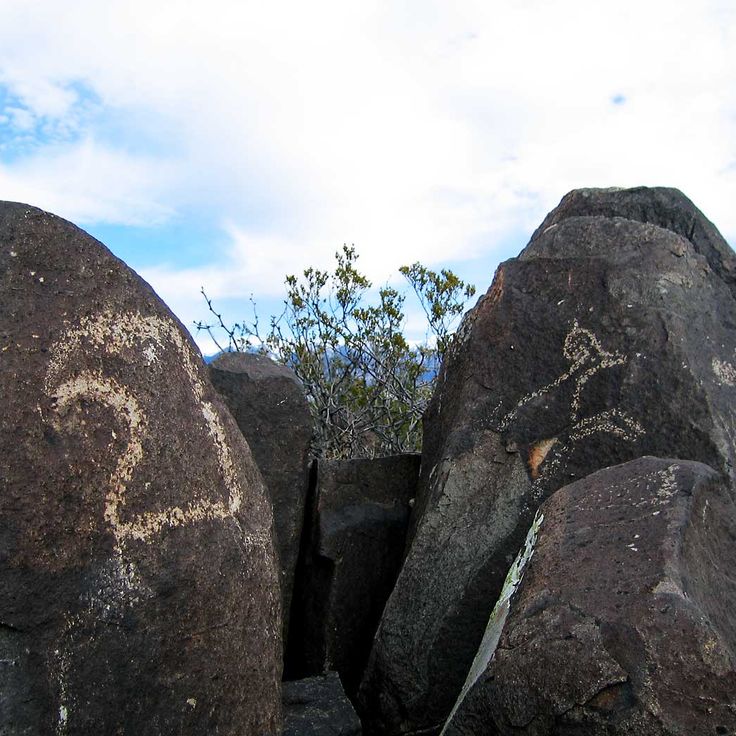
This 50-acre (20-hectare) site preserves prehistoric stone drawings depicting animals, humans and geometric figures. The petroglyphs were created by the Jornada Mogollon cultures between 1000 and 1400 CE, documenting life in this desert region before European arrival in New Mexico.
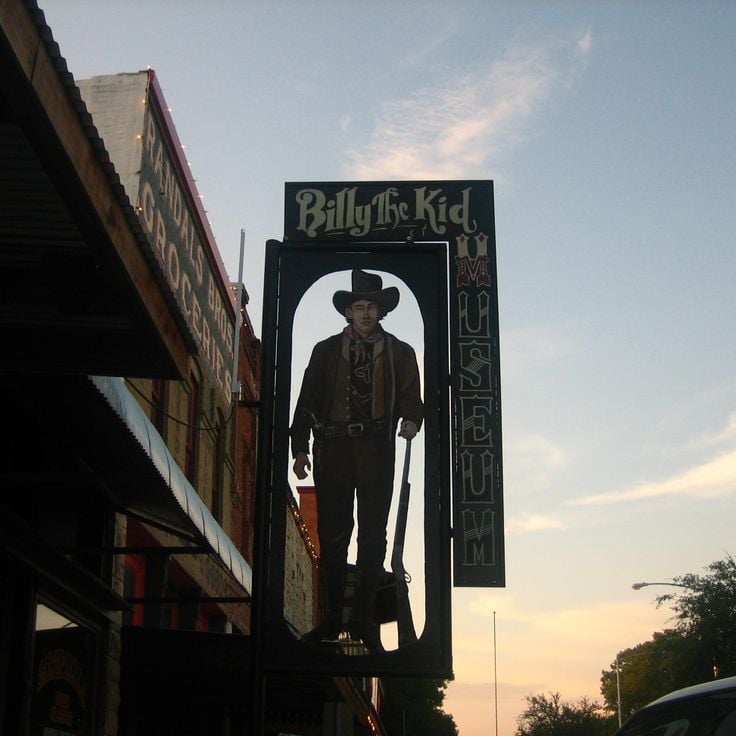
This museum in De Baca County documents the life of Billy the Kid through a collection of historical weapons, photographs and personal items from the 19th century. The exhibits place the outlaw in the context of New Mexico's frontier history, presenting artifacts from the era of cattle wars and lawlessness in the American Southwest.
This reservoir offers 3,500 acres (1,416 hectares) of water surface, surrounded by pine forests and mountains with camping facilities. Bluewater Lake State Park complements New Mexico's natural formations and historic sites through a manmade water feature used for recreation and outdoor activities. The facility sits in a region with desert landscapes and volcanic areas.
This wilderness spans a remote area of eroded sandstone formations shaped by wind and water over millions of years. The terrain holds exposed Cretaceous fossils, petrified logs and geological structures that provide insight into prehistoric environments. The site lies within the San Juan Basin and displays layers of shale, sandstone and coal seams deposited during different geological epochs. Visitors must navigate their own route through the trailless terrain.
This natural spring basin reaches a depth of 80 feet (24 meters) with a constant water temperature of 64 degrees Fahrenheit (18 degrees Celsius) and serves as a training site for scuba divers and free divers. The Blue Hole represents one of the geological formations in New Mexico that, along with caves, desert landscapes and volcanic areas, demonstrates the natural variety of the region.
These rock cave settlements contain 46 rooms built by the indigenous Mogollon people. The dwellings occupy natural alcoves and demonstrate the construction methods and living patterns of this prehistoric culture. The Gila Cliff Dwellings National Monument preserves these archaeological remains and provides insight into the settlement history of New Mexico between the 13th and 14th centuries.
This national park covers 275 square miles (712 square kilometers) of white gypsum dunes, the largest gypsum formation in North America. The desert landscape represents one of New Mexico's significant geological sites, displaying a rare accumulation of pure gypsum mineral deposited over thousands of years from an ancient lake.
This national monument contains twelfth-century dwellings, Pueblo rock art, and a 33,000-acre (13,350-hectare) natural preservation area. The cliff dwellings were carved into volcanic tuff walls and document Ancestral Pueblo settlement history. Trails lead through canyons to archaeological sites and volcanic formations.
This preserve sits within a volcanic crater measuring roughly 14 miles (22 kilometers) across, formed over a million years ago. The Valles Caldera National Preserve offers trails through grasslands and forests where visitors can observe elk, deer and various bird species. In winter, the paths become cross-country ski routes that traverse the snow-covered high country.
This educational center in New Mexico's desert landscape houses two museums with Jurassic period dinosaur fossils and offers art classes in the environment where Georgia O'Keeffe once lived and worked. Ghost Ranch sits within a geological formation featuring red and yellow sandstone cliffs that O'Keeffe captured in numerous paintings. The property combines paleontological sites with cultural history, providing visitors access to trails through the characteristic rock formations of the region.
This historic park displays large Pueblo structures from the 9th to 13th centuries with astronomical alignments. The sites rank among the most significant archaeological finds of the Ancestral Puebloans in New Mexico and document advanced knowledge in architecture, community organization and celestial observation spanning several centuries.
This national monument features cone-shaped rock formations created by volcanic deposits 6 to 7 million years ago. A trail leads through a narrow canyon between the rock structures. The area lies between Santa Fe and Albuquerque and documents the geological history of the region. The formations consist of pumice, tuff and volcanic ash. Access is through an unpaved road across Cochiti Pueblo land.
This park preserves the ruins of a Native American pueblo and a 17th-century Spanish mission. Pecos Pueblo served for centuries as a major trade center between Plains tribes and Rio Grande pueblos. The remains of the adobe mission church demonstrate early Spanish colonial efforts in New Mexico. A trail leads through the archaeological site with reconstructed kivas and living areas. The visitor center presents artifacts and explains the history of the Pecos people, European colonization, and the Santa Fe Trail that later passed through the area.
This national monument preserves Inscription Rock, a sandstone bluff where hundreds of inscriptions left by Spanish conquistadors, American soldiers, and pioneers between the 16th and 19th centuries document the passage of travelers. El Morro combines geological formations with recorded travel history, adding to the historical sites of New Mexico through material evidence of human movement across this desert landscape.
This formation, a 482-meter (1,583-foot) volcanic structure, rises from the northwestern New Mexico plain and remains a sacred site to the Navajo people, who call it Tsé Bitʼaʼí, meaning winged rock, representing a key example of the natural geological features that define the region's desert terrain.
This state park protects volcanic rock formations that rise up to 40 feet (12 meters) from the desert floor and extend across approximately one square kilometer. The stone clusters formed from hardened volcanic ash around 35 million years ago and now create a distinct grouping in the Chihuahuan Desert of Grant County. The formation ranks among New Mexico's geological sites of interest and sits between Deming and Silver City at roughly 5,200 feet (1,600 meters) elevation.
This protected area covers 496,000 acres (201,000 hectares) of desert land with archaeological sites and geological formations from prehistoric times. Organ Mountains-Desert Peaks National Monument preserves rock carvings, former trade routes and settlement remains in a region defined by its jagged mountain ranges and volcanic structures. The monument provides access to hiking trails and viewpoints where visitors can observe the desert terrain and rugged peaks.
This traditional Pueblo village in the northern New Mexico mountains consists of multi-story adobe buildings that have remained continuously inhabited for over a thousand years. The earthen structures along the Rio Pueblo de Taos demonstrate pre-Columbian construction techniques and form one of the oldest continuously occupied communities in North America. The settlement preserves its cultural traditions and religious practices while offering visitors insight into Pueblo history and ways of life.
This radio telescope features 27 movable antennas, each 82 feet (25 meters) in diameter, used to study astronomical objects. The Very Large Array sits on the Plains of San Agustin, capturing radio waves from space. The antennas travel on rails into different configurations to receive signals from stars, galaxies and other cosmic sources. Visitors can tour the facility and learn how astronomers use these instruments to map celestial bodies.
This state park in New Mexico offers a lake stocked for bass and catfish angling. The site preserves around 500 fossilized dinosaur tracks embedded in sandstone, providing insight into prehistoric activity from millions of years ago. The footprints lie along a trail near the lake shore and document several dinosaur species from the Cretaceous period.
This wilderness covers 230,000 acres (approximately 93,000 hectares) of pine forests, rivers, and mountain peaks across Catron County. The area supports elk, deer, and wild turkeys, forming an essential part of New Mexico's natural sites and historic places. Gila Wilderness was established in 1924 as the first designated wilderness in the United States, preserving diverse ecosystems in the mountains of southwestern New Mexico.
Jemez Springs is a village of 250 residents surrounded by red sandstone cliffs. The thermal springs at this New Mexico site reach temperatures between 100 and 180 degrees Fahrenheit (38 to 82 degrees Celsius), complementing the region's collection of geological formations and historical locations.
This 6,500-acre (2,630-hectare) wilderness study area in San Juan County preserves dinosaur fossils and petrified logs within gray and brown sandstone formations. The Ah-Shi-Sle-Pah Wilderness Study Area sits in northwestern New Mexico and displays geological structures from the Cretaceous period. The landscape includes eroded hoodoos, mesas, and badlands with exposed sedimentary layers. Visitors can hike through the terrain and observe petrified remains and colored rock formations that document millions of years of geological history.
This national monument preserves the remains of Spanish mission churches from the 17th century that were built within settlements of Pueblo Native Americans. The sites document the intersection of European and indigenous cultures in the region. Visitors can explore the ruins of stone churches, residential structures, and kivas. The monument comprises three main mission complexes: Abó, Quarai, and Gran Quivira. The structures reflect Franciscan architecture and the building practices of the Pueblo peoples who lived here for centuries.
This historic site preserves indigenous rock paintings and documents human occupation across multiple time periods. La Cueva Historic Site contributes to the collection of natural formations and historical places in New Mexico with archaeological evidence of early cultures and their connection to the region.
This military installation from the 19th century served as a trading post and supply depot along the Santa Fe Trail. Fort Union National Monument preserves the remains of three successive forts built between 1851 and 1891, documenting the United States military presence in New Mexico during westward expansion. The site includes ruins of barracks, storehouses, and officers' quarters spread across the high plains near the Sangre de Cristo Mountains. The monument protects evidence of military architecture and illustrates the strategic importance of the region during frontier conflicts and the Civil War.
This park at the base of the Sacramento Mountains preserves an 1890s ranch with original buildings and water infrastructure. Trails lead through desert vegetation to viewpoints overlooking the mountain range, and a canyon displays rock formations. Visitor center features exhibits on regional settlement history.
This memorial park features white walls built in 1968, along with monuments, a chapel, and exhibits on Vietnam War history. The Vietnam Veterans Memorial State Park sits in the mountains north of Taos and serves as a place of remembrance for those who died in the conflict. The park contains a visitor pavilion with information about the war years and personal items from veterans. The central memorial consists of a curved structure placed on a hillside, offering views across the surrounding Sangre de Cristo Mountains.
El Malpais National Monument covers 46,000 hectares (114,000 acres) and displays black basalt flows, underground caves and ancient sandstone cliffs from prehistoric volcanic eruptions. The area documents volcanic activity that occurred thousands of years ago and contains lava tubes, ice caves and geological formations. Trails lead through cooled lava fields and to viewpoints over the volcanic landscape.
The Sandia Crest rises as the highest point of the Sandia Mountains at 10,678 feet (3,254 meters) and provides views of Albuquerque and the Rio Grande Valley. The summit sits roughly 13 miles (21 kilometers) northeast of the city and is accessible via the Sandia Crest Scenic Byway or the Sandia Peak Tramway, one of the longest aerial tramways in North America.
This museum houses documents, photographs and exhibits related to the 1947 Roswell UFO incident. The collection presents witness testimonies, military reports and artifacts documenting the event. The museum offers visitors insight into one of the most widely discussed UFO cases in American history, displaying various perspectives on the incident. Exhibits include original newspaper articles, official records and multimedia presentations that examine the claims and investigations surrounding the event.
This volcanic crater contains a cave with permanent ice formations that maintain a constant temperature of 31°F (-3°C) throughout the year. The site sits in western New Mexico and combines volcanic activity with unusual geological conditions. Bandera Volcano and the ice cave provide insights into the region's volcanic history and demonstrate how lava flows shaped the landscape.
This national park protects a system of 119 limestone caves beneath the Chihuahuan Desert with mineral deposits, underground pools and bat colonies. The geological formations include stalactites, stalagmites and other structures that developed over millions of years. The caves provide habitat for several bat species, including the Brazilian free-tailed bat.
This land art installation consists of 400 polished stainless steel poles arranged in a precise grid across 1.6 square kilometers (one square mile) of high desert in New Mexico, positioned to attract lightning during electrical storms and creating a dialogue between human design and natural phenomena that reflects the geological and artistic character of the region.
This former coal mining town from the 19th century sits along the Turquoise Trail between Albuquerque and Santa Fe. The abandoned settlement was revitalized in the 1970s by artists and craftspeople who converted the historic buildings into galleries, workshops and restaurants. The wooden structures lining the main street display typical mining camp architecture from the 1880s through 1950s. The village served as a film location for several western productions and now houses approximately 40 residents working primarily in creative trades.
This monument preserves a pueblo structure built by the Ancestral Pueblo people between the 12th and 13th centuries, containing 400 rooms and a reconstructed great kiva measuring 48 feet (15 meters) in diameter. The site demonstrates the architectural techniques and community organization of the pueblo culture and serves as an important archaeological record of early settlement patterns in the San Juan Basin.
This 50-acre (20-hectare) site preserves prehistoric stone drawings depicting animals, humans and geometric figures. The petroglyphs were created by the Jornada Mogollon cultures between 1000 and 1400 CE, documenting life in this desert region before European arrival in New Mexico.
This museum in De Baca County documents the life of Billy the Kid through a collection of historical weapons, photographs and personal items from the 19th century. The exhibits place the outlaw in the context of New Mexico's frontier history, presenting artifacts from the era of cattle wars and lawlessness in the American Southwest.
This reservoir offers 3,500 acres (1,416 hectares) of water surface, surrounded by pine forests and mountains with camping facilities. Bluewater Lake State Park complements New Mexico's natural formations and historic sites through a manmade water feature used for recreation and outdoor activities. The facility sits in a region with desert landscapes and volcanic areas.
This wilderness spans a remote area of eroded sandstone formations shaped by wind and water over millions of years. The terrain holds exposed Cretaceous fossils, petrified logs and geological structures that provide insight into prehistoric environments. The site lies within the San Juan Basin and displays layers of shale, sandstone and coal seams deposited during different geological epochs. Visitors must navigate their own route through the trailless terrain.
This natural spring basin reaches a depth of 80 feet (24 meters) with a constant water temperature of 64 degrees Fahrenheit (18 degrees Celsius) and serves as a training site for scuba divers and free divers. The Blue Hole represents one of the geological formations in New Mexico that, along with caves, desert landscapes and volcanic areas, demonstrates the natural variety of the region.
These rock cave settlements contain 46 rooms built by the indigenous Mogollon people. The dwellings occupy natural alcoves and demonstrate the construction methods and living patterns of this prehistoric culture. The Gila Cliff Dwellings National Monument preserves these archaeological remains and provides insight into the settlement history of New Mexico between the 13th and 14th centuries.
This national park covers 275 square miles (712 square kilometers) of white gypsum dunes, the largest gypsum formation in North America. The desert landscape represents one of New Mexico's significant geological sites, displaying a rare accumulation of pure gypsum mineral deposited over thousands of years from an ancient lake.
This national monument contains twelfth-century dwellings, Pueblo rock art, and a 33,000-acre (13,350-hectare) natural preservation area. The cliff dwellings were carved into volcanic tuff walls and document Ancestral Pueblo settlement history. Trails lead through canyons to archaeological sites and volcanic formations.
This preserve sits within a volcanic crater measuring roughly 14 miles (22 kilometers) across, formed over a million years ago. The Valles Caldera National Preserve offers trails through grasslands and forests where visitors can observe elk, deer and various bird species. In winter, the paths become cross-country ski routes that traverse the snow-covered high country.
This educational center in New Mexico's desert landscape houses two museums with Jurassic period dinosaur fossils and offers art classes in the environment where Georgia O'Keeffe once lived and worked. Ghost Ranch sits within a geological formation featuring red and yellow sandstone cliffs that O'Keeffe captured in numerous paintings. The property combines paleontological sites with cultural history, providing visitors access to trails through the characteristic rock formations of the region.
This historic park displays large Pueblo structures from the 9th to 13th centuries with astronomical alignments. The sites rank among the most significant archaeological finds of the Ancestral Puebloans in New Mexico and document advanced knowledge in architecture, community organization and celestial observation spanning several centuries.
This national monument features cone-shaped rock formations created by volcanic deposits 6 to 7 million years ago. A trail leads through a narrow canyon between the rock structures. The area lies between Santa Fe and Albuquerque and documents the geological history of the region. The formations consist of pumice, tuff and volcanic ash. Access is through an unpaved road across Cochiti Pueblo land.
This park preserves the ruins of a Native American pueblo and a 17th-century Spanish mission. Pecos Pueblo served for centuries as a major trade center between Plains tribes and Rio Grande pueblos. The remains of the adobe mission church demonstrate early Spanish colonial efforts in New Mexico. A trail leads through the archaeological site with reconstructed kivas and living areas. The visitor center presents artifacts and explains the history of the Pecos people, European colonization, and the Santa Fe Trail that later passed through the area.
This national monument preserves Inscription Rock, a sandstone bluff where hundreds of inscriptions left by Spanish conquistadors, American soldiers, and pioneers between the 16th and 19th centuries document the passage of travelers. El Morro combines geological formations with recorded travel history, adding to the historical sites of New Mexico through material evidence of human movement across this desert landscape.
This formation, a 482-meter (1,583-foot) volcanic structure, rises from the northwestern New Mexico plain and remains a sacred site to the Navajo people, who call it Tsé Bitʼaʼí, meaning winged rock, representing a key example of the natural geological features that define the region's desert terrain.
This state park protects volcanic rock formations that rise up to 40 feet (12 meters) from the desert floor and extend across approximately one square kilometer. The stone clusters formed from hardened volcanic ash around 35 million years ago and now create a distinct grouping in the Chihuahuan Desert of Grant County. The formation ranks among New Mexico's geological sites of interest and sits between Deming and Silver City at roughly 5,200 feet (1,600 meters) elevation.
This protected area covers 496,000 acres (201,000 hectares) of desert land with archaeological sites and geological formations from prehistoric times. Organ Mountains-Desert Peaks National Monument preserves rock carvings, former trade routes and settlement remains in a region defined by its jagged mountain ranges and volcanic structures. The monument provides access to hiking trails and viewpoints where visitors can observe the desert terrain and rugged peaks.
This traditional Pueblo village in the northern New Mexico mountains consists of multi-story adobe buildings that have remained continuously inhabited for over a thousand years. The earthen structures along the Rio Pueblo de Taos demonstrate pre-Columbian construction techniques and form one of the oldest continuously occupied communities in North America. The settlement preserves its cultural traditions and religious practices while offering visitors insight into Pueblo history and ways of life.
This radio telescope features 27 movable antennas, each 82 feet (25 meters) in diameter, used to study astronomical objects. The Very Large Array sits on the Plains of San Agustin, capturing radio waves from space. The antennas travel on rails into different configurations to receive signals from stars, galaxies and other cosmic sources. Visitors can tour the facility and learn how astronomers use these instruments to map celestial bodies.
This state park in New Mexico offers a lake stocked for bass and catfish angling. The site preserves around 500 fossilized dinosaur tracks embedded in sandstone, providing insight into prehistoric activity from millions of years ago. The footprints lie along a trail near the lake shore and document several dinosaur species from the Cretaceous period.
This wilderness covers 230,000 acres (approximately 93,000 hectares) of pine forests, rivers, and mountain peaks across Catron County. The area supports elk, deer, and wild turkeys, forming an essential part of New Mexico's natural sites and historic places. Gila Wilderness was established in 1924 as the first designated wilderness in the United States, preserving diverse ecosystems in the mountains of southwestern New Mexico.
Jemez Springs is a village of 250 residents surrounded by red sandstone cliffs. The thermal springs at this New Mexico site reach temperatures between 100 and 180 degrees Fahrenheit (38 to 82 degrees Celsius), complementing the region's collection of geological formations and historical locations.
This 6,500-acre (2,630-hectare) wilderness study area in San Juan County preserves dinosaur fossils and petrified logs within gray and brown sandstone formations. The Ah-Shi-Sle-Pah Wilderness Study Area sits in northwestern New Mexico and displays geological structures from the Cretaceous period. The landscape includes eroded hoodoos, mesas, and badlands with exposed sedimentary layers. Visitors can hike through the terrain and observe petrified remains and colored rock formations that document millions of years of geological history.
This national monument preserves the remains of Spanish mission churches from the 17th century that were built within settlements of Pueblo Native Americans. The sites document the intersection of European and indigenous cultures in the region. Visitors can explore the ruins of stone churches, residential structures, and kivas. The monument comprises three main mission complexes: Abó, Quarai, and Gran Quivira. The structures reflect Franciscan architecture and the building practices of the Pueblo peoples who lived here for centuries.
This historic site preserves indigenous rock paintings and documents human occupation across multiple time periods. La Cueva Historic Site contributes to the collection of natural formations and historical places in New Mexico with archaeological evidence of early cultures and their connection to the region.
This military installation from the 19th century served as a trading post and supply depot along the Santa Fe Trail. Fort Union National Monument preserves the remains of three successive forts built between 1851 and 1891, documenting the United States military presence in New Mexico during westward expansion. The site includes ruins of barracks, storehouses, and officers' quarters spread across the high plains near the Sangre de Cristo Mountains. The monument protects evidence of military architecture and illustrates the strategic importance of the region during frontier conflicts and the Civil War.
This park at the base of the Sacramento Mountains preserves an 1890s ranch with original buildings and water infrastructure. Trails lead through desert vegetation to viewpoints overlooking the mountain range, and a canyon displays rock formations. Visitor center features exhibits on regional settlement history.
This memorial park features white walls built in 1968, along with monuments, a chapel, and exhibits on Vietnam War history. The Vietnam Veterans Memorial State Park sits in the mountains north of Taos and serves as a place of remembrance for those who died in the conflict. The park contains a visitor pavilion with information about the war years and personal items from veterans. The central memorial consists of a curved structure placed on a hillside, offering views across the surrounding Sangre de Cristo Mountains.
El Malpais National Monument covers 46,000 hectares (114,000 acres) and displays black basalt flows, underground caves and ancient sandstone cliffs from prehistoric volcanic eruptions. The area documents volcanic activity that occurred thousands of years ago and contains lava tubes, ice caves and geological formations. Trails lead through cooled lava fields and to viewpoints over the volcanic landscape.
The Sandia Crest rises as the highest point of the Sandia Mountains at 10,678 feet (3,254 meters) and provides views of Albuquerque and the Rio Grande Valley. The summit sits roughly 13 miles (21 kilometers) northeast of the city and is accessible via the Sandia Crest Scenic Byway or the Sandia Peak Tramway, one of the longest aerial tramways in North America.
This museum houses documents, photographs and exhibits related to the 1947 Roswell UFO incident. The collection presents witness testimonies, military reports and artifacts documenting the event. The museum offers visitors insight into one of the most widely discussed UFO cases in American history, displaying various perspectives on the incident. Exhibits include original newspaper articles, official records and multimedia presentations that examine the claims and investigations surrounding the event.
This volcanic crater contains a cave with permanent ice formations that maintain a constant temperature of 31°F (-3°C) throughout the year. The site sits in western New Mexico and combines volcanic activity with unusual geological conditions. Bandera Volcano and the ice cave provide insights into the region's volcanic history and demonstrate how lava flows shaped the landscape.
This national park protects a system of 119 limestone caves beneath the Chihuahuan Desert with mineral deposits, underground pools and bat colonies. The geological formations include stalactites, stalagmites and other structures that developed over millions of years. The caves provide habitat for several bat species, including the Brazilian free-tailed bat.
This land art installation consists of 400 polished stainless steel poles arranged in a precise grid across 1.6 square kilometers (one square mile) of high desert in New Mexico, positioned to attract lightning during electrical storms and creating a dialogue between human design and natural phenomena that reflects the geological and artistic character of the region.
This former coal mining town from the 19th century sits along the Turquoise Trail between Albuquerque and Santa Fe. The abandoned settlement was revitalized in the 1970s by artists and craftspeople who converted the historic buildings into galleries, workshops and restaurants. The wooden structures lining the main street display typical mining camp architecture from the 1880s through 1950s. The village served as a film location for several western productions and now houses approximately 40 residents working primarily in creative trades.
This monument preserves a pueblo structure built by the Ancestral Pueblo people between the 12th and 13th centuries, containing 400 rooms and a reconstructed great kiva measuring 48 feet (15 meters) in diameter. The site demonstrates the architectural techniques and community organization of the pueblo culture and serves as an important archaeological record of early settlement patterns in the San Juan Basin.
This 50-acre (20-hectare) site preserves prehistoric stone drawings depicting animals, humans and geometric figures. The petroglyphs were created by the Jornada Mogollon cultures between 1000 and 1400 CE, documenting life in this desert region before European arrival in New Mexico.
This museum in De Baca County documents the life of Billy the Kid through a collection of historical weapons, photographs and personal items from the 19th century. The exhibits place the outlaw in the context of New Mexico's frontier history, presenting artifacts from the era of cattle wars and lawlessness in the American Southwest.
This reservoir offers 3,500 acres (1,416 hectares) of water surface, surrounded by pine forests and mountains with camping facilities. Bluewater Lake State Park complements New Mexico's natural formations and historic sites through a manmade water feature used for recreation and outdoor activities. The facility sits in a region with desert landscapes and volcanic areas.
This wilderness spans a remote area of eroded sandstone formations shaped by wind and water over millions of years. The terrain holds exposed Cretaceous fossils, petrified logs and geological structures that provide insight into prehistoric environments. The site lies within the San Juan Basin and displays layers of shale, sandstone and coal seams deposited during different geological epochs. Visitors must navigate their own route through the trailless terrain.
As you travel through New Mexico, you first see the strength of nature: underground caves, strange rock formations, old volcanoes. Then you notice signs of human presence: houses carved in rock, stone pueblos, 17th-century chapels. Both exist together in an interesting balance.