El Malpais National Monument, Volcanic terrain conservation area in western New Mexico, United States
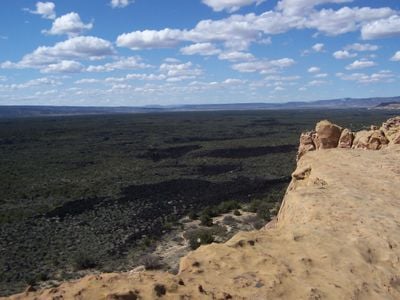
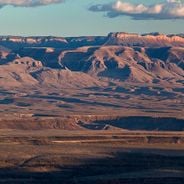
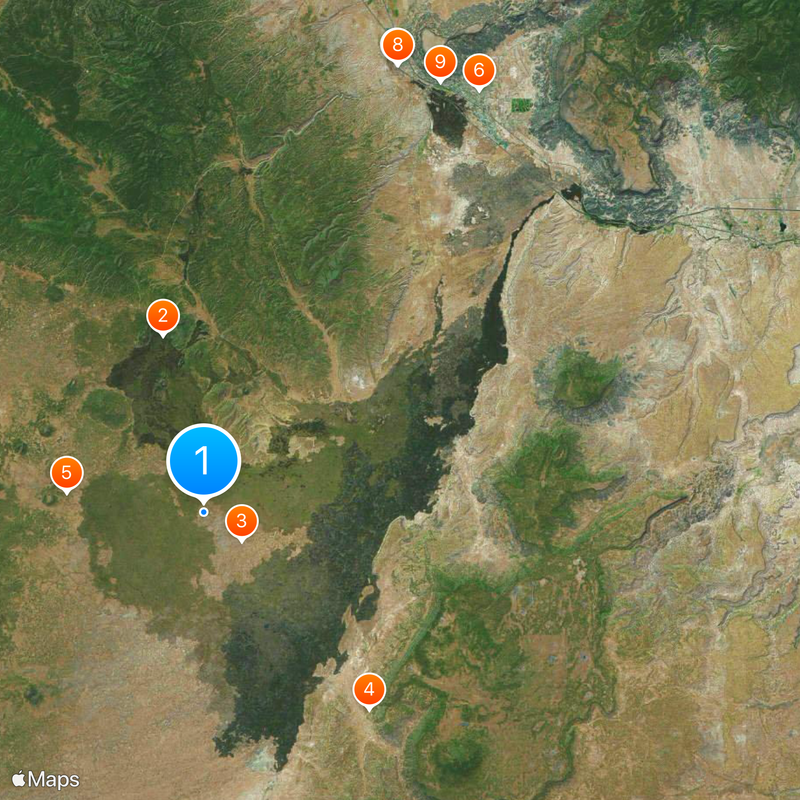
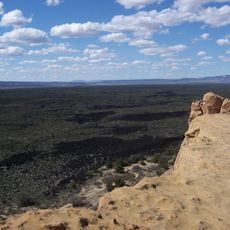
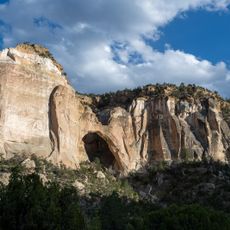
El Malpais National Monument protects part of the Zuni-Bandera volcanic field, where pahoehoe and a'a flows filled a basin between the Acoma Pueblo mesas, Mount Taylor and the Zuni Mountain anticline. A sandstone ledge at Sandstone Bluffs overlooks the dark, hummocky lava, and Highway 117 winds past the Narrows, a 150-meter sandstone cliff the lava nearly reached.
Native peoples used the lava field for travel and water long before written records; the Acoma and Zuni Pueblos cut a trail across it, melting cave ice for drinking water. In the 1940s the Manhattan Project considered the Malpais among eight candidate sites for the first atomic test, and the Department of Defense used it as a bombing range during World War II. President Reagan signed Pub. L. 100–225 in 1987 creating the monument, despite Acoma Pueblo objections.
The name El Malpais comes from the Spanish malpaís, meaning badlands, for the barren lava field. The Acoma and Zuni Pueblos forged a trail across the flows linking their pueblos, a hundred miles apart, and melted cave ice for water along the way. Acoma people used lava tubes that collect cold air as shelter from the heat above, and Congress allowed sections to be closed at the pueblos' request for spiritual use.
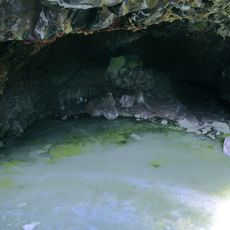
Exploring caves like Junction Bridge and Giant Ice Cave requires free permits, and visitors should bring ample water since facilities are scattered throughout the area. Planning for the dry landscape and limited resources helps ensure a safe and comfortable visit.
The monument harbors rare hart's-tongue ferns inside caves, representing the only known population west of the Mississippi River in North America. These ferns thrive in the moist environment of these underground spaces.
The community of curious travelers
AroundUs brings together thousands of curated places, local tips, and hidden gems, enriched daily by 93,195 contributors worldwide.