White Oaks, ghost town in Lincoln County, New Mexico, United States
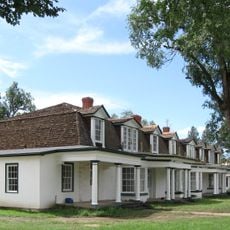
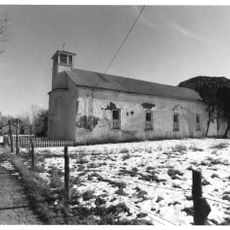
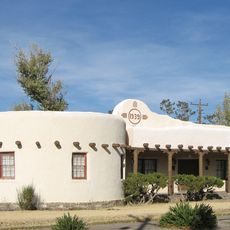
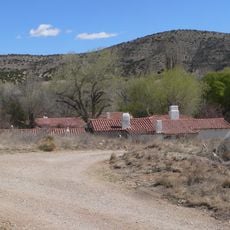
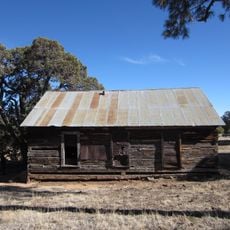
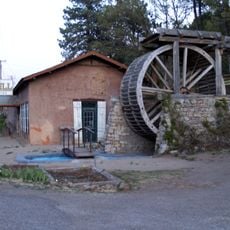
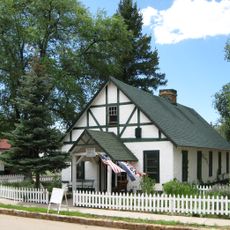
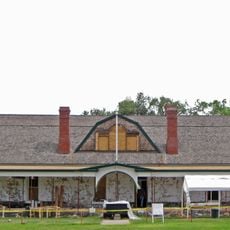
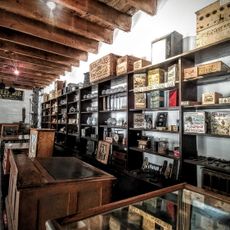
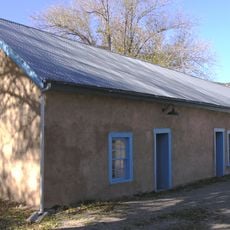
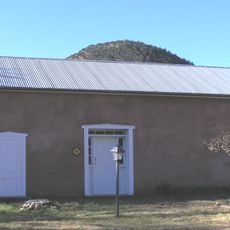
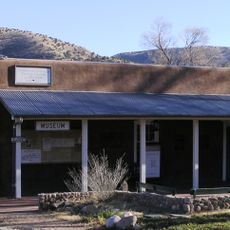
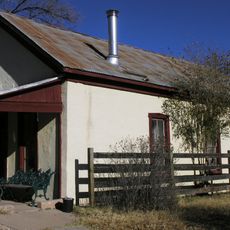
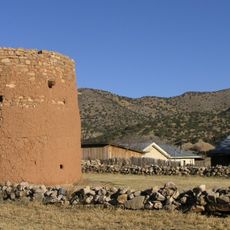
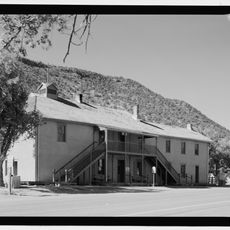
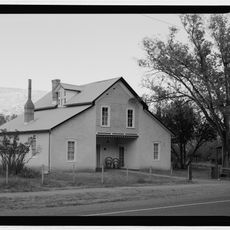
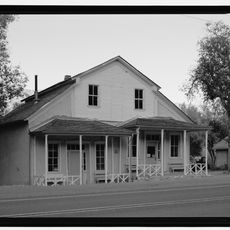
White Oaks is a former mining town in Lincoln County, New Mexico that is now largely abandoned but protected as a historic site. The place contains old houses, churches, and other buildings from its peak years in the late 1800s.
White Oaks grew from a tent camp after John J. Baxter found gold in a shallow canyon east of the Jicarilla Mountains in 1879; a post office opened in 1880. Baxter and Winters sold their Homestake claims for $300,000 each. When local owners refused to bargain with the Santa Fe and El Paso and Northeastern railroads, the tracks were laid twelve miles west through Carrizozo, and the exhausted mines emptied the town.
The name White Oaks comes from a nearby stream, and the town's first newspaper, the White Oaks Golden Era, was founded by Jonathan H. Wise in 1880. Four newspapers were published here, unusual for a frontier camp. The No Scum Allowed Saloon is the only old saloon still open, and the old cemetery holds the grave of Susan McSween Barber, known as the "Cattle Queen of New Mexico."
White Oaks lies on State Road 349 north of Carrizozo, with no services in the ghost town itself. The surviving buildings stand along a short stretch of road, and the No Scum Allowed Saloon is the only old saloon still open. Bring water and fuel from Carrizozo, and plan your visit for daylight.
The No Scum Allowed Saloon is the only old saloon in White Oaks still open. The town cemetery holds Susan McSween Barber, widow of Alexander McSween, killed in the Lincoln County War; she ran the Three Rivers Ranch with over 5,000 cattle and died in White Oaks in 1931. Governor William C. McDonald, president of the Exchange Bank of White Oaks, is buried there too.
The community of curious travelers
AroundUs brings together thousands of curated places, local tips, and hidden gems, enriched daily by 93,451 contributors worldwide.