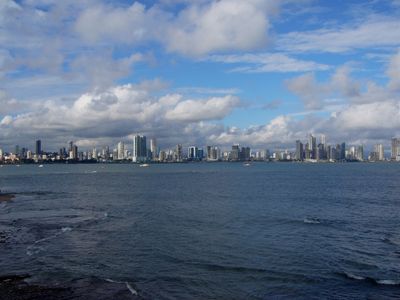
Gulf of Panama, Pacific Ocean inlet on the southern coast of Panama.
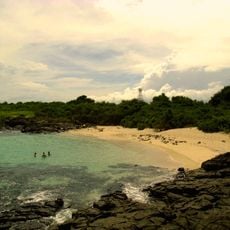
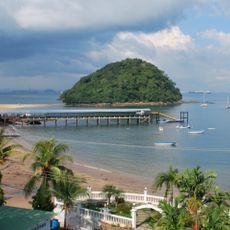
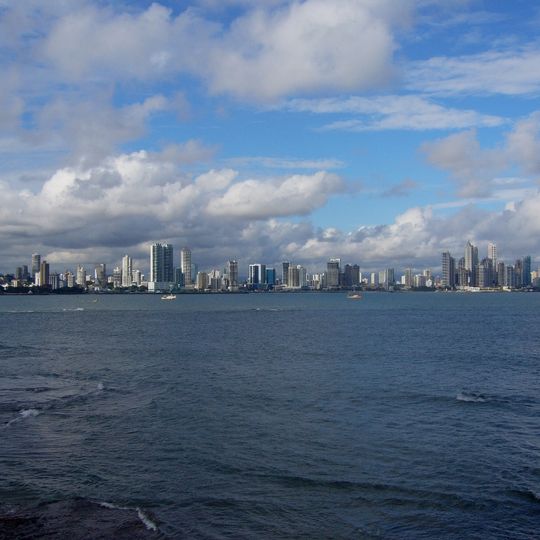
The Gulf of Panama is a large ocean inlet on the southern coast of the country, extending deep into the territory and forming an expansive body of water. The area contains numerous islands and underwater features that vary considerably in depth.
The Gulf was part of early maritime trade routes, but the opening of the Panama Canal in 1914 transformed it into a critical link between two oceans. This engineering project fundamentally reshaped the region's global importance.
Fishing communities around the Gulf use methods passed down through families, with daily routines centered on seasonal catches. This maritime way of life shapes the rhythm of local coastal villages.
Weather patterns change significantly between dry and rainy periods, affecting conditions for boats and fishing activities. Choosing the right season helps ensure better conditions for any water-based activities.
The waters support an extraordinary range of marine life, from large game fish to migrating whales that arrive seasonally. This biological richness makes the region a remarkable location for observing ocean creatures.
The community of curious travelers
AroundUs brings together thousands of curated places, local tips, and hidden gems, enriched daily by 92,049 contributors worldwide.