Former convent of Saint John the Baptist, Religious complex in Tlayacapan, Mexico
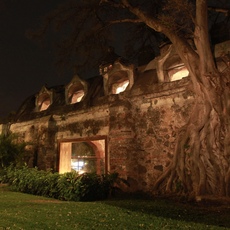
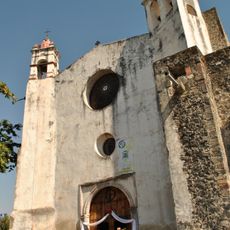
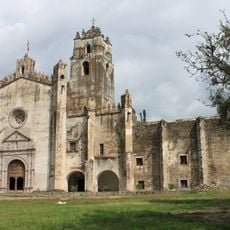
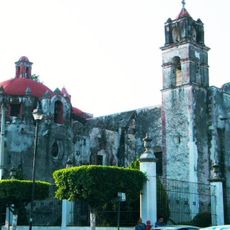
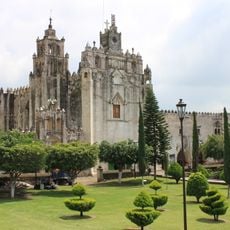
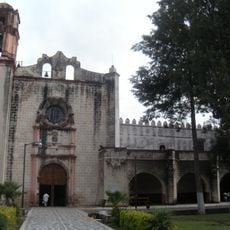
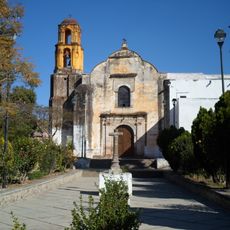
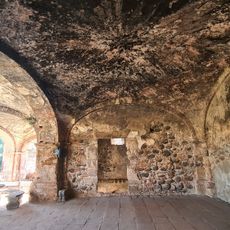
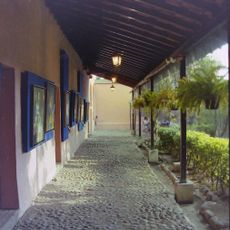
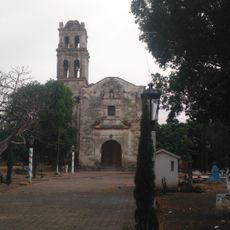
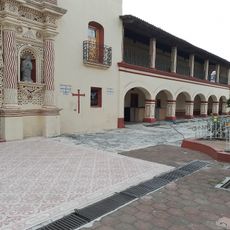
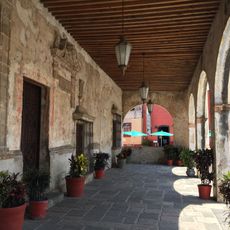
The former convent of Saint John the Baptist is a religious complex with a rectangular layout, featuring an open chapel with three arches and tall walls topped with crenellations. The defensive architectural style reflects how these mission buildings were designed to protect their inhabitants and assert authority.
The monastery was founded in the 16th century by Augustinian missionaries who played a central role in evangelizing central Mexico. It became a major religious and administrative center for the surrounding region.
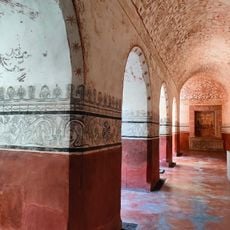
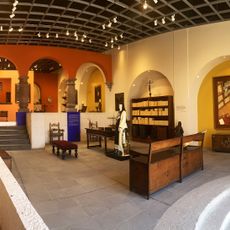
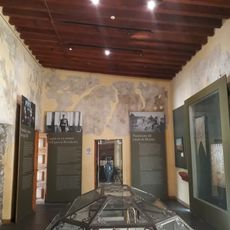
The church holds paintings of the life of the Virgin Mary, including her parents Saint Anne and Saint Joachim, the Assumption, the Virgin of Solitude and the Virgin of Guadalupe, the last an 18th-century Baroque canvas. Other paintings show scenes from the life of Saint Augustine. The convent is now a museum displaying four mummies found buried beneath it in 1982.
The convent now houses a museum where the four mummies found beneath the monastery in 1982 are displayed. The site is part of the UNESCO World Heritage listing of the Monasteries on the slopes of Popocatépetl. After the 19 September 2017 earthquake, the church nave split, the frontispiece collapsed and a bell tower fell, so some areas may remain closed.
During restoration work in 1982, four mummies were found buried beneath the monastery; they are now displayed in the museum installed inside the convent. The church also keeps an 18th-century Baroque canvas of the Virgin of Guadalupe.
The community of curious travelers
AroundUs brings together thousands of curated places, local tips, and hidden gems, enriched daily by 94,458 contributors worldwide.