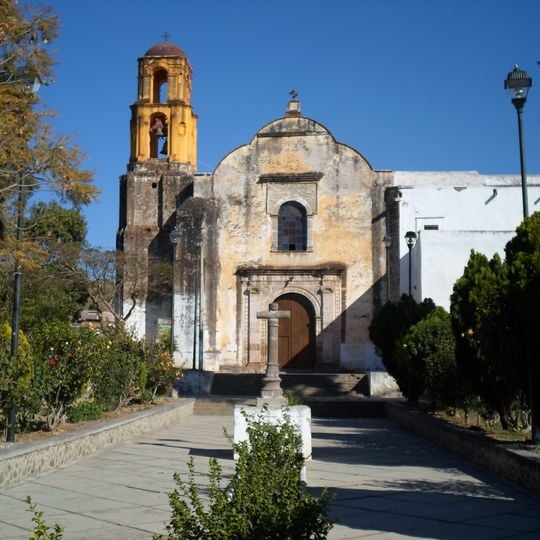
Convento de Santiago Apóstol, 16th-century convent in Ocuituco, Mexico
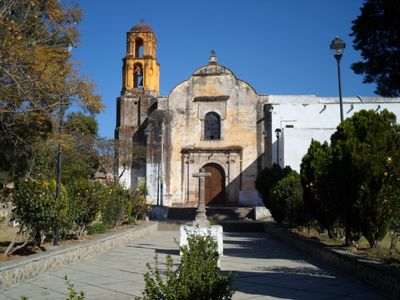
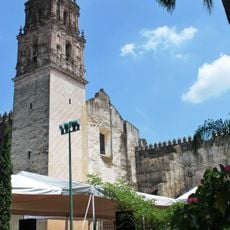
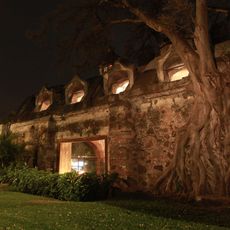
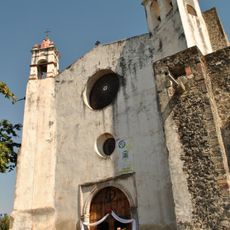
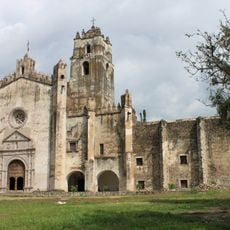
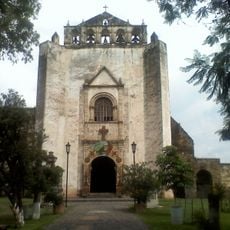
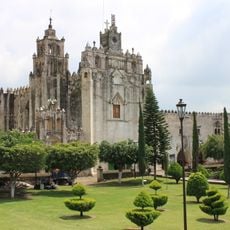
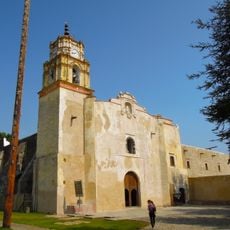
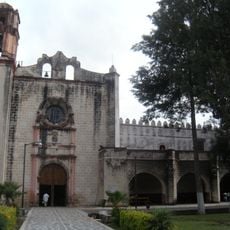
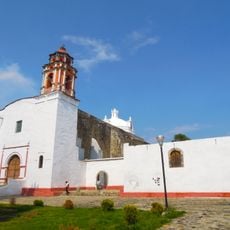
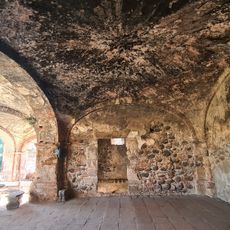
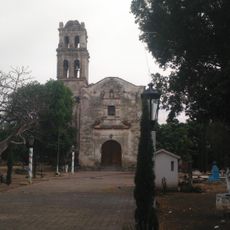
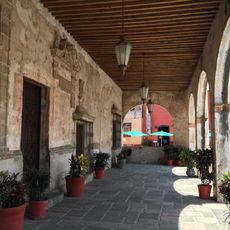
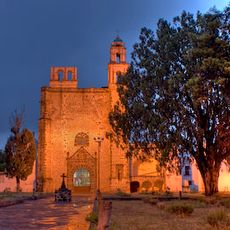
The Convent of Santiago Apostle is a stone structure from the 16th century featuring thick defensive walls, large atrium spaces, and a single-nave church built according to Spanish colonial design principles. The complex includes multiple buildings arranged around a central courtyard that forms a complete mission settlement.
The convent was founded in 1534 and served as one of the main centers for spreading Christianity and teaching indigenous people near Popocatepetl volcano. It played a key role in the region during the early colonial period.
The interior walls display religious frescoes that blend European Christian imagery with indigenous artistic elements, showing how two different traditions merged in a single space. Visitors walking through the rooms can observe this fusion in the details of every painted surface.
The site is open daily and visitors should wear comfortable shoes since the grounds have uneven surfaces and require considerable walking. Taking time to explore at a leisurely pace helps you appreciate the architectural and artistic details properly.
The stone fountain in the courtyard shows indigenous craftsmanship through patterns that resemble those of Spain's Alhambra palace. This connection reveals how local stonemasons adapted Spanish artistic ideals using their own techniques and knowledge.
The community of curious travelers
AroundUs brings together thousands of curated places, local tips, and hidden gems, enriched daily by 60,000 contributors worldwide.