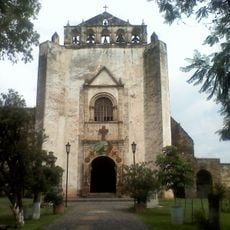
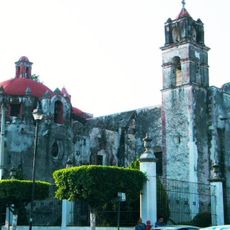
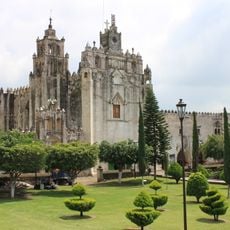
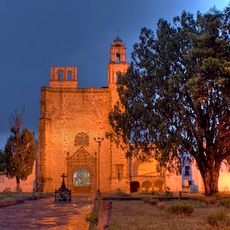
Former convent of Saint John the Baptist, 16th-century Dominican convent in Tetela del Volcán, Mexico
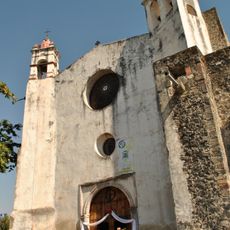
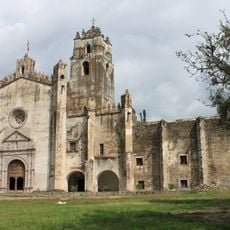
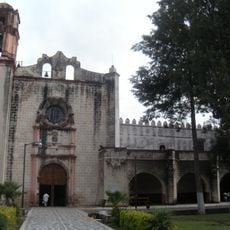
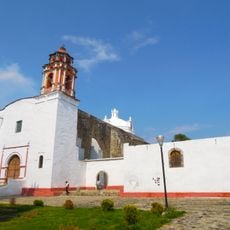
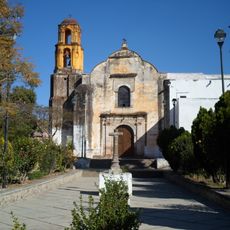
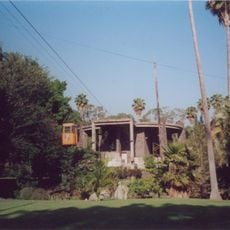
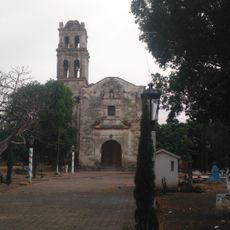
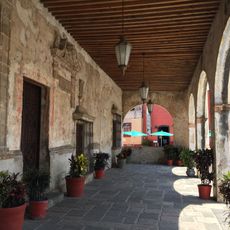
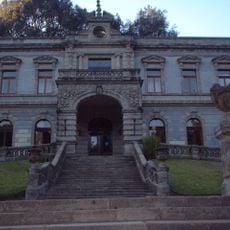
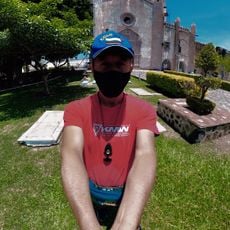
The former convent of Saint John the Baptist is a 16th-century complex in Tetela del Volcán built on two levels, with the atrium and a cross at its middle level. It has three entrances: the main one at the front, a secondary one facing the town's main square, and a rear entrance on Adolfo López Mateos Boulevard. The church includes a tower with a clock and an open chapel.
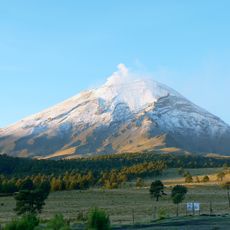
Construction began in 1533 and ended in 1574, carried out by the Dominicans with friar Juan de la Cruz. The site had been inhabited by the Olmec-Xicalancas and, at the Spanish conquest, was populated by the Xochimilcas. In 1994 the convent was inscribed on the UNESCO World Heritage List as one of the first monasteries built on the slopes of Popocatépetl.
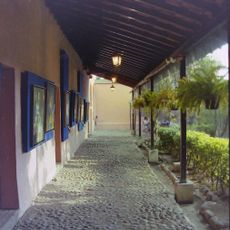
The murals painted on the cloister walls show apostles, scenes from Jesus's life, and Catholic martyrs that visitors can see today. These religious images shaped how the community understood faith and gave the space its spiritual identity.
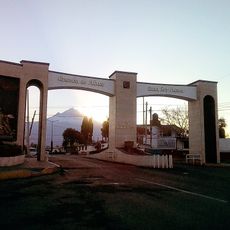
The complex has three separate entrances that allow different approaches to the site. Two lead to the main atrium while one is positioned at the rear near Adolfo López Mateos Boulevard, giving visitors flexibility in how they navigate the space.
The tower houses a clock that was a gift from President Porfirio Díaz, and its bells ring out loud enough to be heard throughout the town of Tetela. This presidential gift underscores how important the site was beyond its religious role.
The community of curious travelers
AroundUs brings together thousands of curated places, local tips, and hidden gems, enriched daily by 93,761 contributors worldwide.