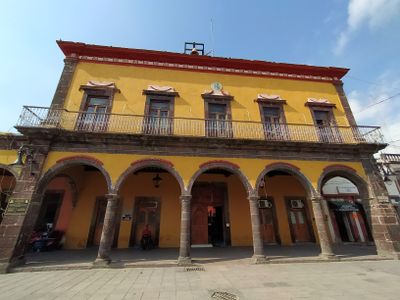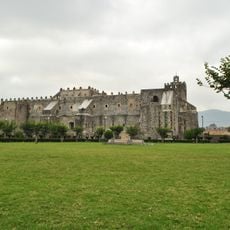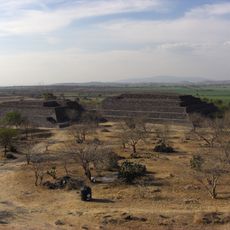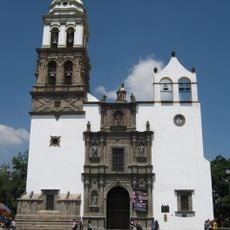
Valle de Santiago, Municipal seat in Guanajuato, Mexico
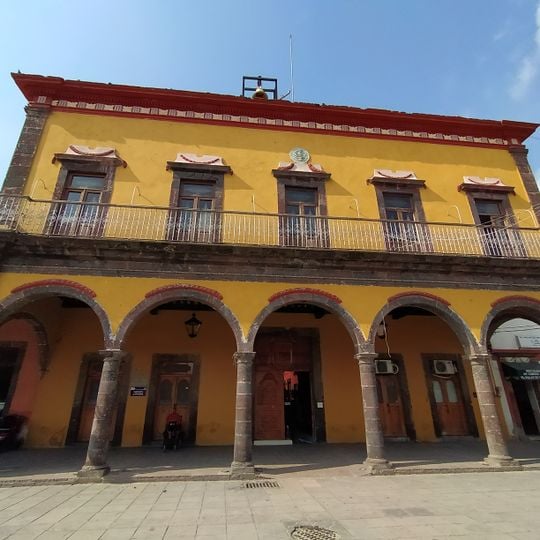
Valle de Santiago is a municipality in Guanajuato that spreads across a large area in the Bajío region and sits on a high plateau. The town is surrounded by active farmland and defined by a ring of volcanic craters that shape the surrounding landscape.
The settlement was founded in 1607 when Spanish colonists arrived and established a permanent community in the area. This early settlement marked the beginning of European presence in this part of Guanajuato.
Agriculture shapes daily life here, with farmers' markets and local celebrations showing how people work with the land and volcanic soil. The community's identity is tied to these farming traditions and how locals have adapted to living in this geological setting.
Visitors should prepare for rain from June to September, as this is the rainy season that shapes the landscape's green character. The best time to visit is the dry season from October to May, when roads and paths are more accessible.
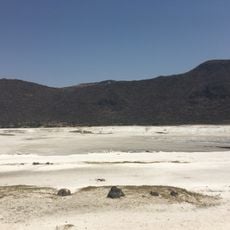
Seven extinct volcanic craters, known as Siete Luminarias, form a ring around the municipality and create a distinctive geological formation. These craters are green depressions in the landscape where water collects and local plants flourish.
The community of curious travelers
AroundUs brings together thousands of curated places, local tips, and hidden gems, enriched daily by 90,917 contributors worldwide.