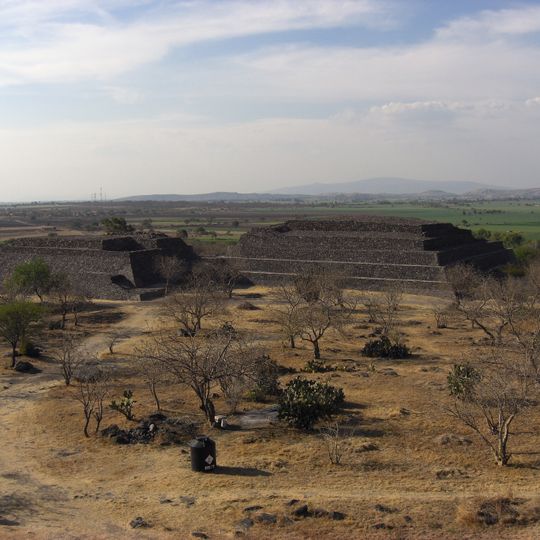
Peralta, Pre-Columbian archaeological site in Abasolo, Mexico.
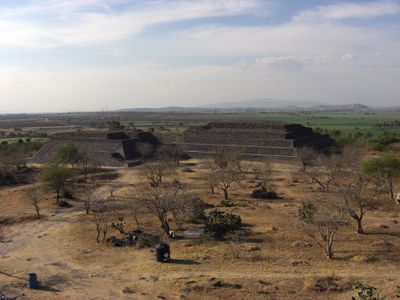
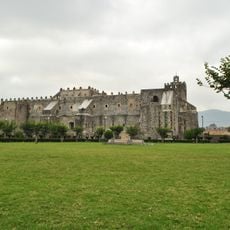
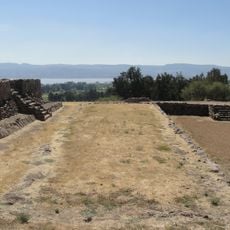
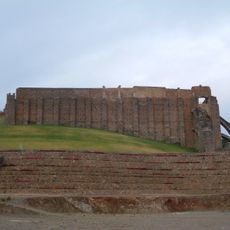
Peralta is an archaeological site in the Guanajuato region with 22 pyramid-shaped structures spread across approximately 130 hectares of land. The site also features numerous agricultural terraces that reveal how the inhabitants managed their farming systems.
The settlement developed between 300 and 650 AD, a period marked by the decline of Teotihuacan and the rise of Tula as a regional power. After this flourishing era, the inhabitants eventually returned to a nomadic way of life.
The people who lived here formed farming communities and exchanged woven baskets, turquoise ornaments, shell jewelry, and obsidian tools with neighboring groups. These trade networks connected the region to other peoples across a wide area.
The site can be reached via Federal Highway 90 from Irapuato and is located near the village of San Jose de Peralta. A daytime visit works best, as you will be able to see the structures and agricultural features more clearly.
The main structure features a double temple design with a sunken courtyard, an unusual architectural arrangement. Beside it stands La Mesita, a separate building that holds a central plaza and adds to the complexity of the settlement layout.
The community of curious travelers
AroundUs brings together thousands of curated places, local tips, and hidden gems, enriched daily by 92,660 contributors worldwide.