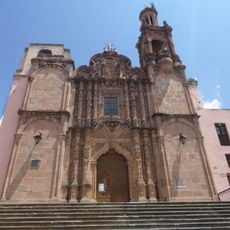
Mummies of Guanajuato, Historical museum in Guanajuato City, Mexico.
The Museo de las Momias houses 59 naturally preserved human bodies displayed in climate-controlled glass cases. The collection includes men, women, and children whose remains were preserved by the dry air and high mineral content in the region's soil.
In 1865, four years after the Pantheon of Santa Paula opened, cemetery workers exhuming niches with unpaid burial fees found naturally mummified bodies instead of skeletons; the first was the French physician Dr. Remigio Leroy. Exhumations tied to the burial tax continued until 1958. The collection was kept above the cemetery and moved into the Museum of the Mummies of Guanajuato in 1969.
The displayed bodies often wear clothing from the 19th century chosen by families according to Catholic traditions. Visitors today see traces of these burial customs, including the way children were dressed in white garments.
The museum is located next to the main city cemetery and can be reached on foot or by public transport. The exhibition may trigger strong emotional reactions in some visitors, so it helps to be informed about the content before entering.
Dr. Remigio Leroy, a French physician, was the first mummy exhumed at the Pantheon of Santa Paula in 1865, when his niche's burial fees went unpaid. His remains were also the first to be put on public display, starting the collection that became the museum.
The community of curious travelers
AroundUs brings together thousands of curated places, local tips, and hidden gems, enriched daily by 93,032 contributors worldwide.