Saint Augustine House, monument in Mexico
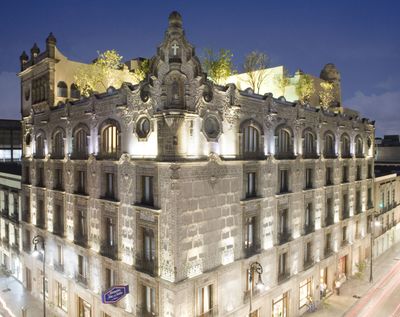
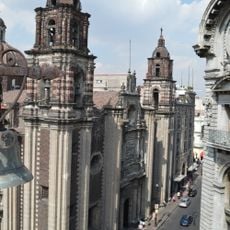
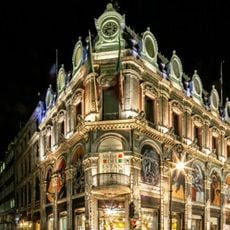
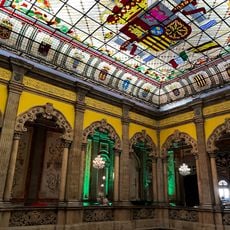
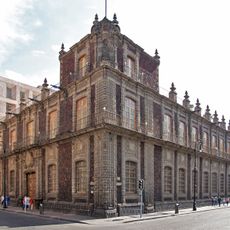
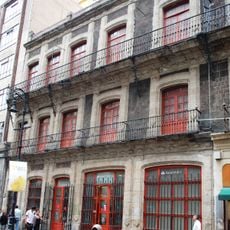
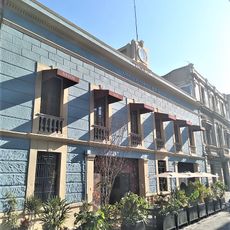
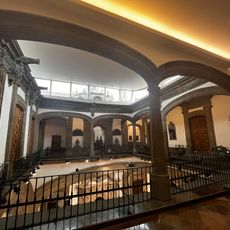
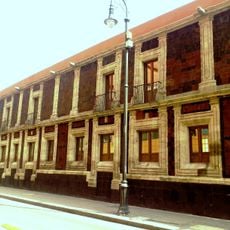
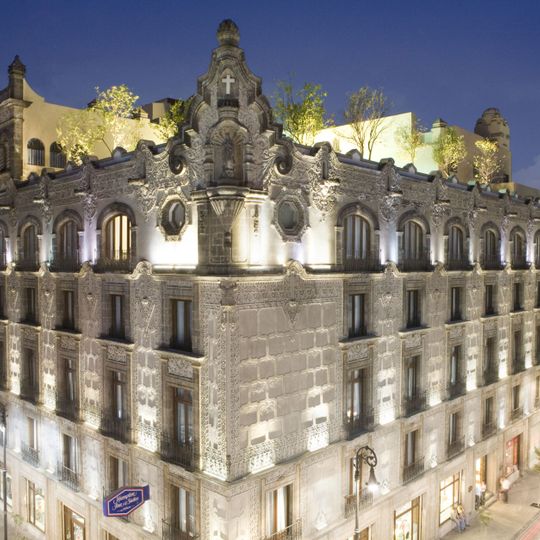
The Saint Augustine House is a building in Mexico City's center featuring Art Deco style and a facade of ajaracas, intricate geometric patterns made from interwoven mortar. In 1924, three additional floors were added combining Spanish traditions with modern design, topped with a rooftop terrace restaurant featuring geometric details.
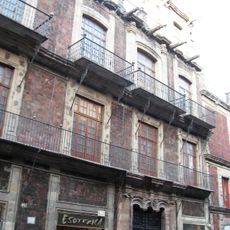
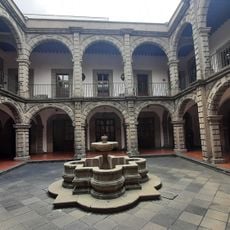
The building dates from the late 1600s or early 1700s when the city was called New Spain, displaying the simple yet strong details of that colonial era. Its role evolved from a religious site to a modern structure, especially after its 2008 restoration as a hotel.
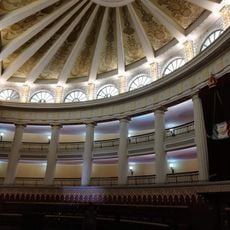
The building takes its name from the Augustinians, a religious community that once lived nearby and shaped its story. Today, residents and visitors see it as an elegant example of early modern style that quietly blends into the rhythm of the busy street.
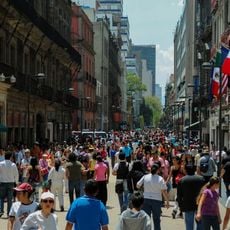
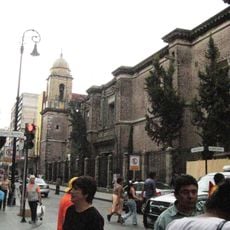
The building sits at a busy street corner in the historic center and is easy to reach while exploring other nearby sites. Take time to look up at the facade and geometric details, which particularly show early 20th century architecture from different angles.
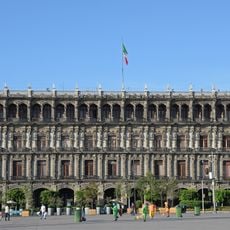
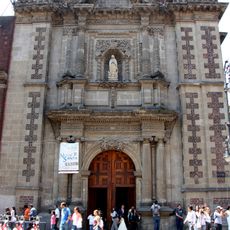
The facade features ajaracas, a rare Moorish decorative pattern made from interwoven mortar that is rarely seen in the city and points to the blending of cultures in Mexico's colonial heritage. This skilled technique combines North African craftsmanship traditions with local building practices of early Mexico.
The community of curious travelers
AroundUs brings together thousands of curated places, local tips, and hidden gems, enriched daily by 91,834 contributors worldwide.