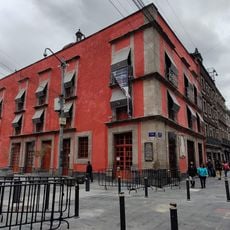
History of Mexico City, Urban development narrative in Mexico City, Mexico.
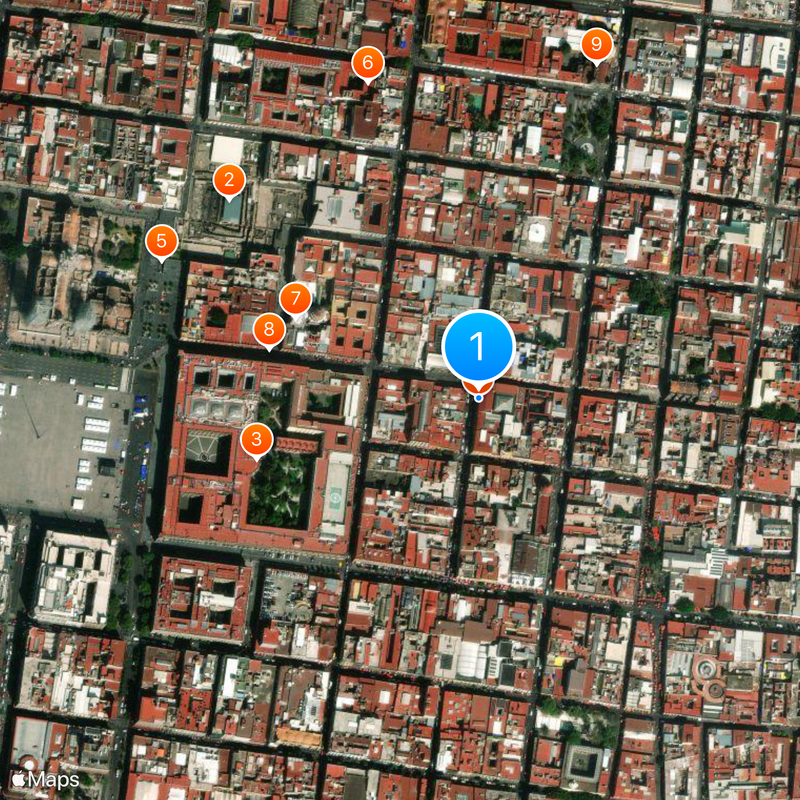
The trajectory begins with Tenochtitlan, an island capital in Lake Texcoco, and extends through Spanish colonial rule to today's metropolis of over 20 million residents. Streets still follow the original Aztec grid, while modern neighborhoods spread across the drained lakebed.
The Aztecs established Tenochtitlan on an island in 1325 and built it into one of the largest cities in the world before Spanish invaders destroyed it in 1521. Colonial rulers constructed their capital on the ruins and gradually filled in the lake, creating the present urban footprint.
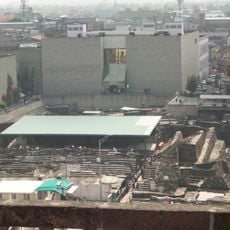
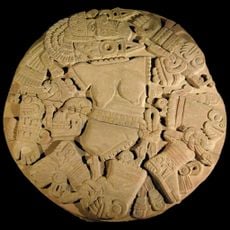
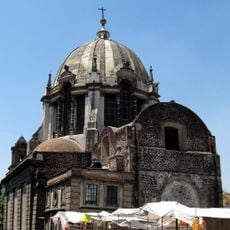
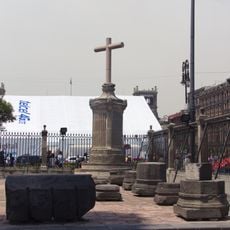
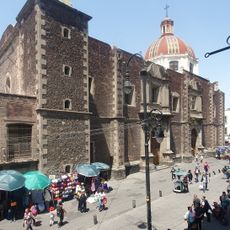
The Aztec legacy appears in temple foundations beneath the main square and in the floating gardens of Xochimilco, where farmers still grow vegetables on artificial islands. The cathedral was built with stones from the destroyed Templo Mayor, and its sunken floors remind visitors that the city stands on a former lake.
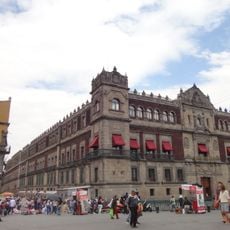
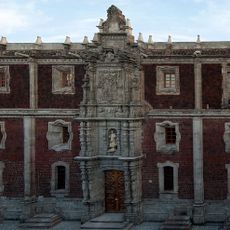
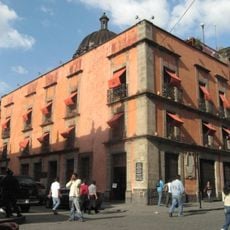
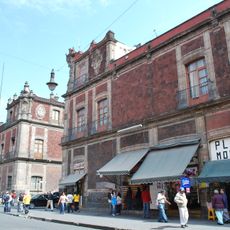
The main square and surrounding colonial streets lie in the city center, while archaeological sites like Teotihuacan require a day trip outside the city. Many buildings show signs of sinking due to unstable ground, which becomes noticeable when walking through the old quarter.
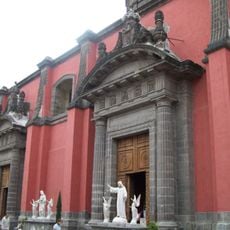
The Plaza de las Tres Culturas displays three building phases in one location: an Aztec pyramid, a Spanish colonial church, and a modern government building from the 1960s. The Templo Mayor remained hidden beneath colonial structures until 1978, when construction workers accidentally uncovered the ruins.
The community of curious travelers
AroundUs brings together thousands of curated places, local tips, and hidden gems, enriched daily by 91,994 contributors worldwide.