Lake Zumpango, Ancient lake system in State of Mexico, Mexico
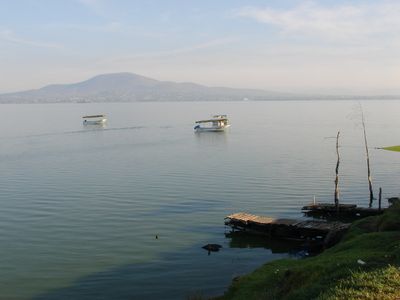
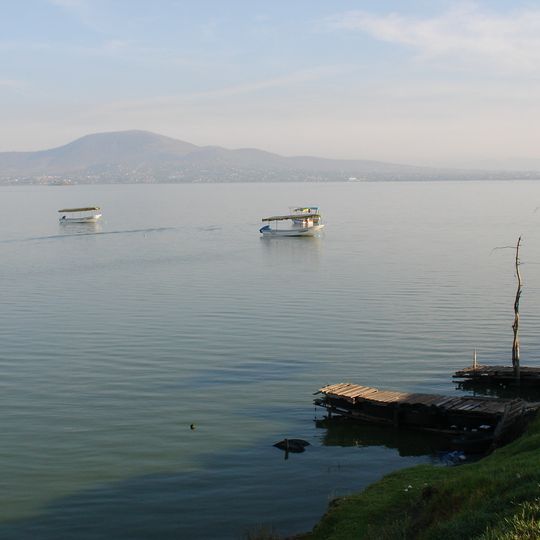
Lake Zumpango is a regulated basin of about 1,853 hectares and a capacity of 100 million cubic meters in the municipalities of Zumpango and Teoloyucan. It was filled for the first time in 1989 with wastewater to supply the Zumpango-Nextlalpan-Teoloyucan agrarian communities. In 2023 it dried up completely and was covered by water hyacinth; rains later refilled it.
Settlements stood on its shores between 200 BC and 100 AD. After the 1555 flood of Mexico City, the first drainage canal was begun in 1605 under Enrico Martínez, who gave 25 years to the Nochistongo works diverting water toward the Tula Valley; it did not prevent the Great Flood of 1629. A parallel Grand Canal ended at Tequixquiac.
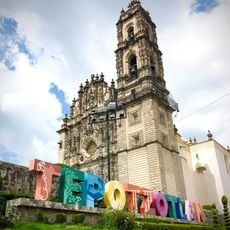
The name derives from Nahuatl Tzompanco, from tzompantli ("wall of skulls") and -co ("place"): "place of the skull rack". Until 2023, families along the shore ran restaurants, shops and boat services for weekend visitors; the drying of the lake left these businesses abandoned.
The water is reachable from various points around its perimeter, with the best views from elevated shoreline areas. During drier months water levels can drop, so visitors should keep flexible plans for exploring the edges.
In winter months the lake hosts thousands of migratory birds such as pelicans and ducks, finding an important resting place. This seasonal arrival turns the landscape into an active spot for bird watching.
The community of curious travelers
AroundUs brings together thousands of curated places, local tips, and hidden gems, enriched daily by 95,682 contributors worldwide.