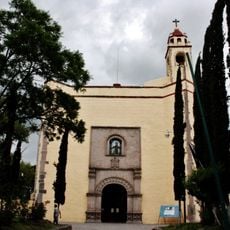
Tula National Park, National park and archaeological site in Tula de Allende, Mexico
Tula National Park covers 99.5 hectares in Hidalgo, Mexico, on undulating ground between 2040 and 2080 meters in elevation. It protects xerophilous scrubland of agaves, mesquite, acacia, cactus, yucca and piru, not forest, and contains the archaeological zone of Tula. The Río Tula borders the site on its south, west and north sides.
The Toltecs founded the city of Tollan-Xicocotitlan around the 8th century and made it a major center of power in Mesoamerica. The city declined in influence by the 12th century, but left behind impressive architectural remains that are visible today.
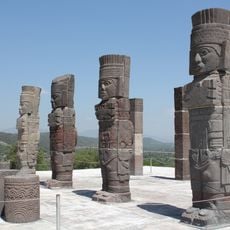
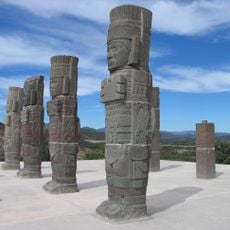
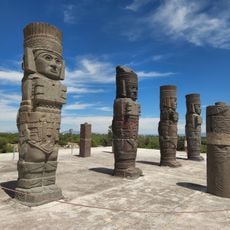
The Atlantes are four warrior figures atop Pyramid B, each about 4.6 metres tall, carved from basalt columns and once supporting the temple roof. They wear butterfly-shaped chest ornaments and hold an atlatl in one hand and arrows in the other. Visitors can also see the Chac Mool and the chacmool-style benches and serpent columns of the site.
The park is accessible via two paved main highways in good condition that provide clear routes through the area. Visitors should be aware that the elevation and terrain may require physical effort when exploring the grounds.
The Atlantes of Pyramid B are four warrior figures about 4.6 metres tall, each made of four stone drums joined together and topped with a butterfly-shaped chest ornament. They stood on the temple's upper platform as pillars, not roof supports, and were found fallen and broken before being put back in place.
The community of curious travelers
AroundUs brings together thousands of curated places, local tips, and hidden gems, enriched daily by 94,453 contributors worldwide.