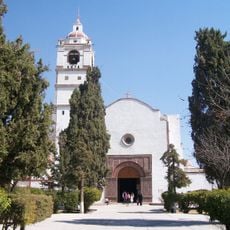
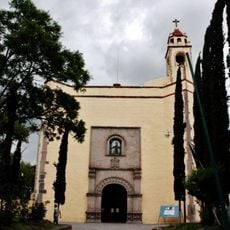
Tulasas, Archaeological site in Tula de Allende, Mexico.
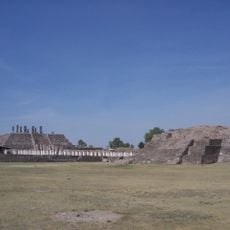
Tulasas is an archaeological site in the Mezquital Valley in Hidalgo state, including temples, palaces, plazas, and administrative buildings. The complex stretches across several hills with paved walkways running between stone platforms and open courtyards.
The city emerged in the eighth century and developed into a major center in central Mesoamerica until the middle of the twelfth century. After the settlement declined, inhabitants left the region and abandoned the stone buildings.
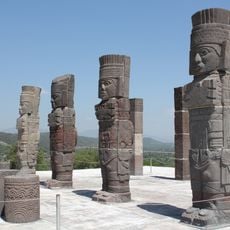
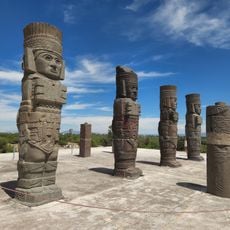
The four Atlantes on the pyramid wear feathered headdresses and hold spear throwers in their hands, while their sandals display geometric patterns. Each of these columns shows a warrior in ceremonial clothing, their stone faces looking out across the wide valley.
A visit typically takes two to three hours to see the main structures and the museum. Comfortable shoes are recommended because the paths between the ruins can be uneven and the sun in the valley is often strong.
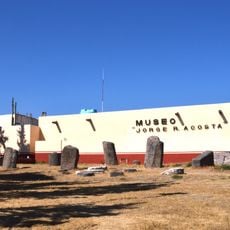
A museum on the grounds displays objects from the excavation in seven rooms, including tools, jewelry, and painted pottery. The collection offers insight into daily life and craftsmanship of the former inhabitants.
The community of curious travelers
AroundUs brings together thousands of curated places, local tips, and hidden gems, enriched daily by 91,816 contributors worldwide.