Templo y exconvento de San Francisco, 16th-century Franciscan convent in Tlahuelilpan, Mexico
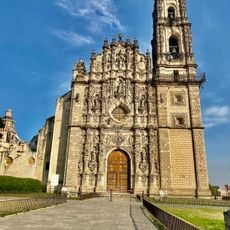
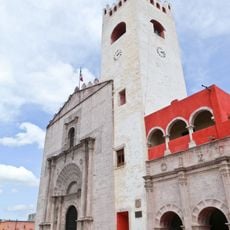
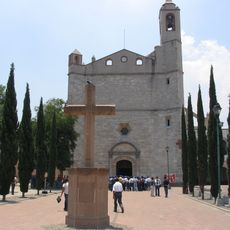
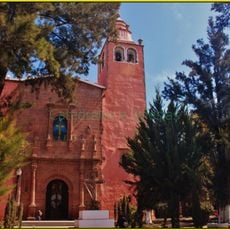
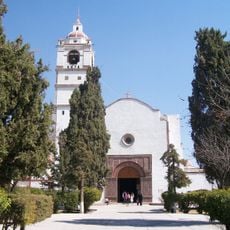
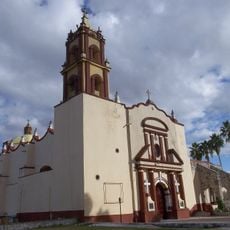
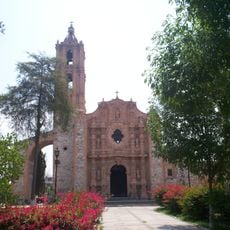
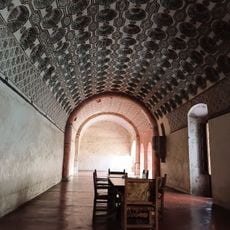
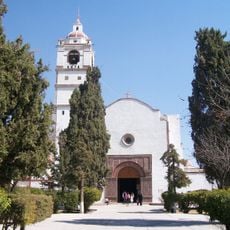
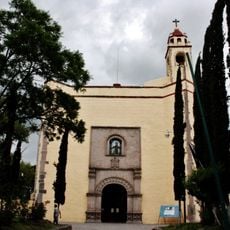
The Temple and Former Convent of San Francisco is a modest Franciscan complex built between 1560 and 1570 in Tlahuelilpan, Hidalgo. Its main facade carries a chambrana with small stylized roses, jamb stones and the cord that identifies the Franciscan order. The open chapel is Plateresque: its arch has carved medallions within a chambrana, ovals with floral ornament, and a keystone showing two angels holding a crown of thorns. The cloister has stone arcades with plain, fluted and spiral shafts, and lateral arches carved with animal motifs.
Franciscan friars founded this convent in the 16th century as a base for their missionary work among indigenous peoples in the region. Over time the building underwent structural changes and adaptations to meet evolving needs.
This complex served as a meeting point where indigenous spiritual traditions encountered Catholic teachings during the colonial period. Visitors can sense this cultural encounter in the way the religious space is organized and decorated.
The complex stands in Tlahuelilpan, Hidalgo, and the sources give no opening hours or visiting conditions, so confirm access with the parish before travelling. The open chapel and the nave with its two polychrome mural friezes are the parts to seek out; the eight medallions are read from left to right, starting on the north wall and ending on the south.
In the nave, two polychrome friezes painted on the plaster survive high on the lateral walls. Each holds four scenes set in ovals, read left to right toward the presbytery, from the north frieze to the south: eight medallions in all, from the Prayer in the Garden to the Preparation for the Crucifixion.
The community of curious travelers
AroundUs brings together thousands of curated places, local tips, and hidden gems, enriched daily by 94,378 contributors worldwide.