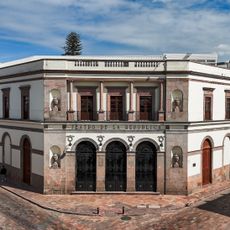
Queretaro Art Museum, Art museum in Santiago de Querétaro, Mexico.
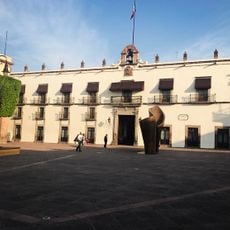
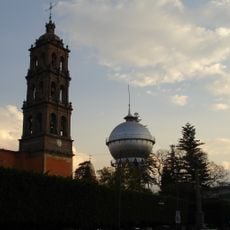
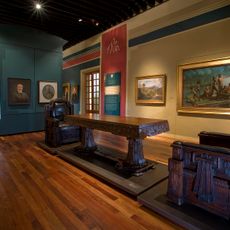
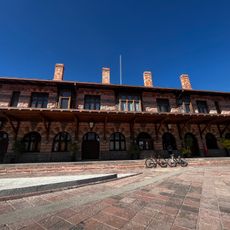
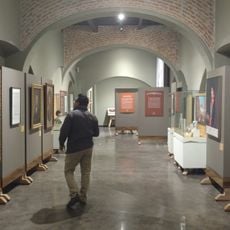
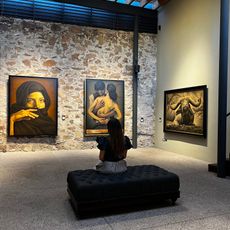
The Queretaro Art Museum occupies the cloister of the former San Agustín convent and is part of the Instituto Queretano de la Cultura y las Artes. It has fifteen exhibition rooms, and its permanent collection covers the period from the early 17th to the mid-19th century, with works by Baltasar de Echave Ibía, Luis Juárez, Cristóbal de Villalpando, Miguel Cabrera and Juan Urruchi, among others.
The museum opened on 22 September 1988 in the cloister of the former San Agustín convent, run by the Instituto Queretano de la Cultura y las Artes. Its fifteen rooms hold a permanent collection covering the early 17th to mid-19th century, moving from Novohispanic Mannerism through the Baroque to the reform of the Academia de San Carlos.
The permanent collection is arranged in five sections: Mannerism, Baroque, European painting, the Academia de San Carlos and temporary exhibitions. The Mannerist works date from the last third of the 16th century and the first third of the 17th, when painters such as Simón Pereyns, Andrés de la Concha and the miniaturist Luis Lagarto arrived in New Spain.
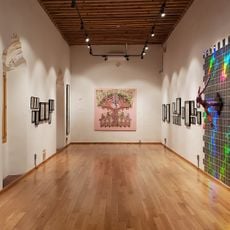
The museum occupies the cloister of the former San Agustín convent, part of the Instituto Queretano de la Cultura y las Artes. Its fifteen rooms hold both the permanent collection and temporary exhibitions, so allow time for both. The permanent collection runs from the early 17th to the mid-19th century.
The museum opened on 22 September 1988 in the cloister of the former San Agustín convent and is run by the Instituto Queretano de la Cultura y las Artes. Its fifteen rooms hold a permanent collection running from the early 17th to the mid-19th century, with works by Cristóbal de Villalpando, Miguel Cabrera and the Rodríguez Juárez brothers.
The community of curious travelers
AroundUs brings together thousands of curated places, local tips, and hidden gems, enriched daily by 93,761 contributors worldwide.