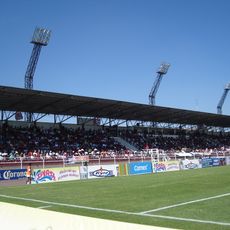
El Cimatario National Park, National park south of Santiago de Querétaro, Mexico
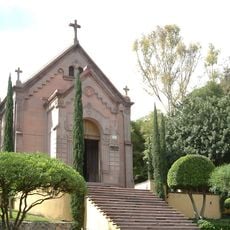
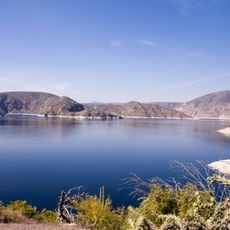
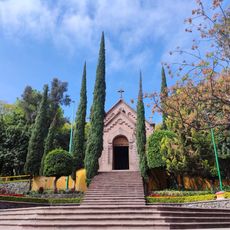
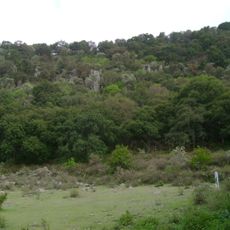
El Cimatario is a national park with volcanic terrain supporting dry forests, cactus scrub, and grassland across its slopes. The elevation climbs to around 2,400 meters, creating varied landscape zones throughout the grounds.
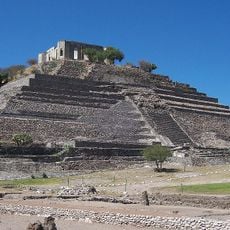
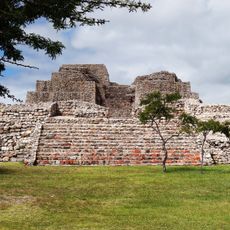
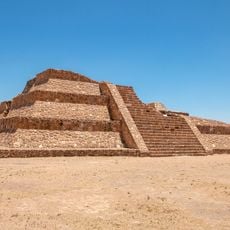
Archaeological remains on Cerro del Cimatario date from 350 BC to AD 0, when the valley's pre-Hispanic population regarded it as the seat of deities guarding their crops. After the Conquest the Spanish Crown decreed its protection, yet its timber was cut for doors, windows and beams of Querétaro's buildings, and again in 1867 for the telegraph line to San Luis Potosí. In 1446 Acolhua warriors fought Mexica and Purépecha here; in 1821 the battle of the "thirty against four hundred" took place. Alfonso Adame Negrete, called the state's first modern ecologist, pushed for protection, and the park was decreed on 21 July 1982.
The name Cimatario comes from the Chichimeca-Jonaz words simaethe (coyote) and iro (male), castilianized over time. Pre-Hispanic valley dwellers identified the hill as the seat of deities who watched over their crops, and archaeological remains on the slopes date from 350 BC to 0. A street inside the park bears the name of Alfonso Adame Negrete, the state's early conservation advocate.
The park lies south of Santiago de Querétaro, between the municipalities of Querétaro and Huimilpan. Its staff of about 15 people includes a forestry engineer, guides, a driver, a veterinarian and round-the-clock surveillance and forest guard. Trails are walked mainly at weekends, and rain concentrates from June to September, averaging 549.3 mm a year.
The name Cimatario comes from the Chichimeca-Jonaz words simaethe (coyote) and iro (male), meaning male coyote. Archaeologists date remains on the hill to 350–0 BC, when valley peoples linked the summit to deities guarding their crops.
The community of curious travelers
AroundUs brings together thousands of curated places, local tips, and hidden gems, enriched daily by 93,806 contributors worldwide.