Zócalo, Plaza in the historic center of Puebla, Mexico
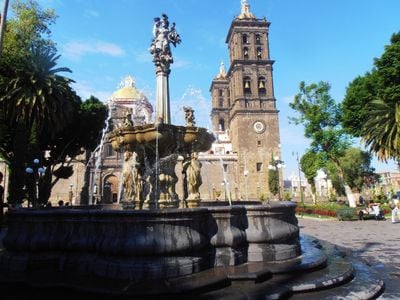
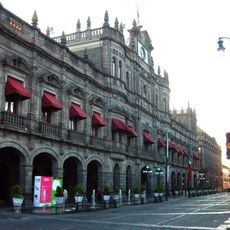
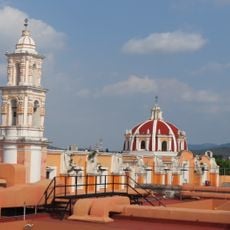
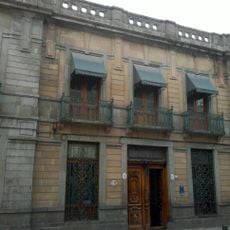
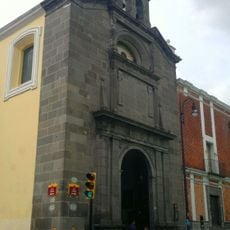
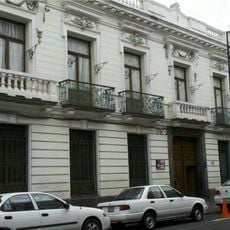
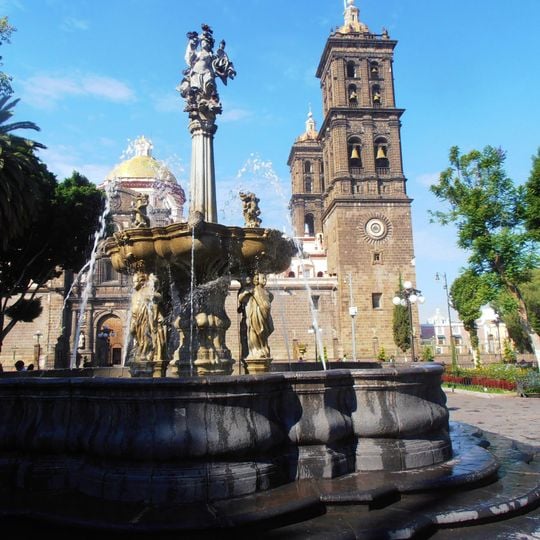
The Zócalo is the central plaza of Puebla and features multiple sculptures, including the San Miguel Arcángel Fountain and four muses positioned at each corner. The entire space is framed by historic buildings that define its character.
The plaza was founded in 1531 and served as the starting point for Puebla's grid layout, which continues to shape the city today. Until the late 18th century, it functioned as the main marketplace and was the economic center of the settlement.
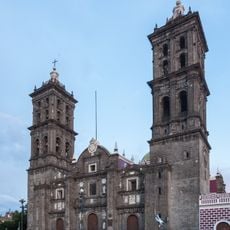
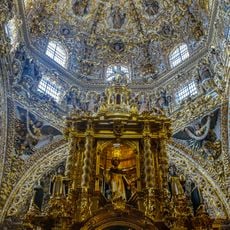
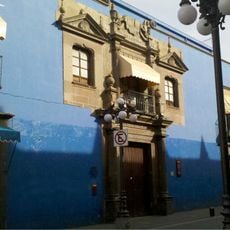
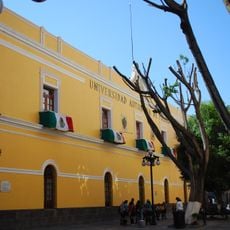
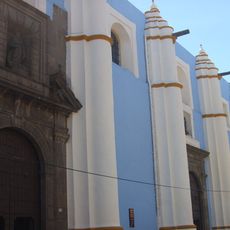
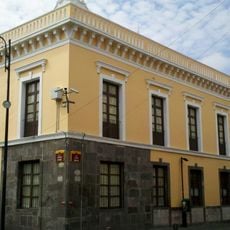
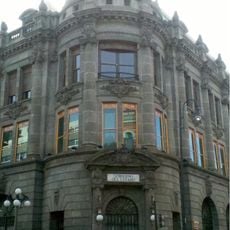
The surrounding buildings—City Hall, Cathedral, and Casa de los Muñecos—form the religious and administrative heart of Puebla and shape the city's sense of itself. This is where the most important public spaces and symbols of urban identity come together.
The streets in Puebla follow a numbering system that originates from the northwest corner of the plaza, making navigation through the city straightforward. This makes it easy to orient yourself and find other locations throughout the city.
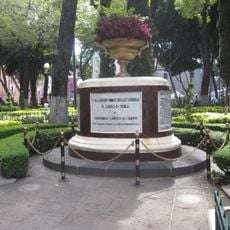
The four statues at the plaza's corners were gifts from Puebla's foreign communities: German, Spanish, Syrian-Lebanese and English. A monument on the square honours the Ejército de Oriente, which defended the city during the French siege of 1863; its inscription gives 17 May, the day General Jesús González Ortega handed the city to the French army to avoid further destruction.
The community of curious travelers
AroundUs brings together thousands of curated places, local tips, and hidden gems, enriched daily by 94,346 contributors worldwide.