See the monuments around you in AROpen chests in the app
Around Us is built for your phone — point your camera at the streets and discover the monuments and places around you in augmented reality.Around Us is built for your phone — chests unlock when you walk, explore and capture nearby places.
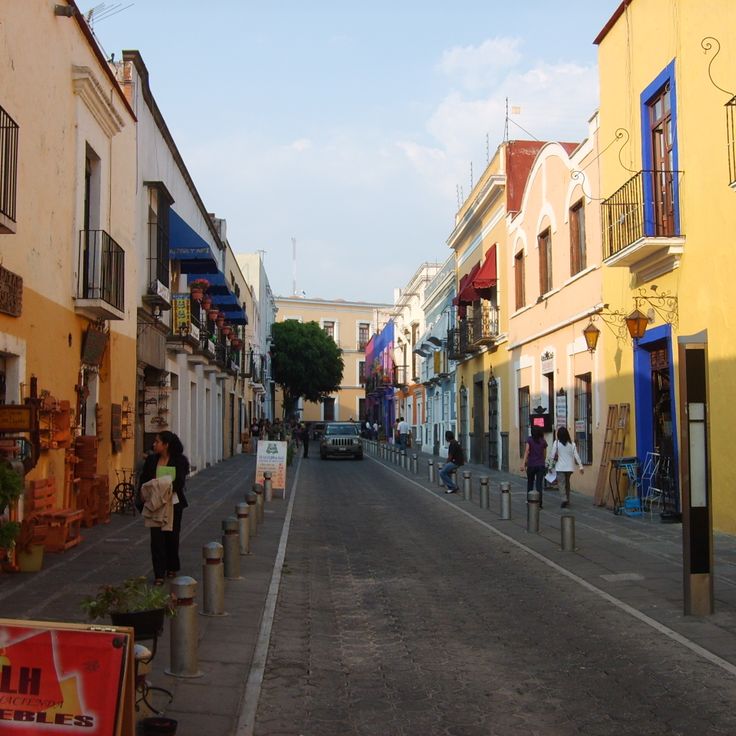
The Puebla region combines colonial history, pre-Columbian heritage, and contemporary culture across a landscape of urban neighborhoods, archaeological sites, and rural communities. The city itself was founded in the 16th century and retains its colonial layout with churches, palaces, and public squares. The Biblioteca Palafoxiana is one of the oldest libraries in the Americas, housing thousands of historical volumes. Casa del Deán preserves murals from the early Spanish colonial period. Teatro Principal de Puebla is among the oldest theaters on the American continent.
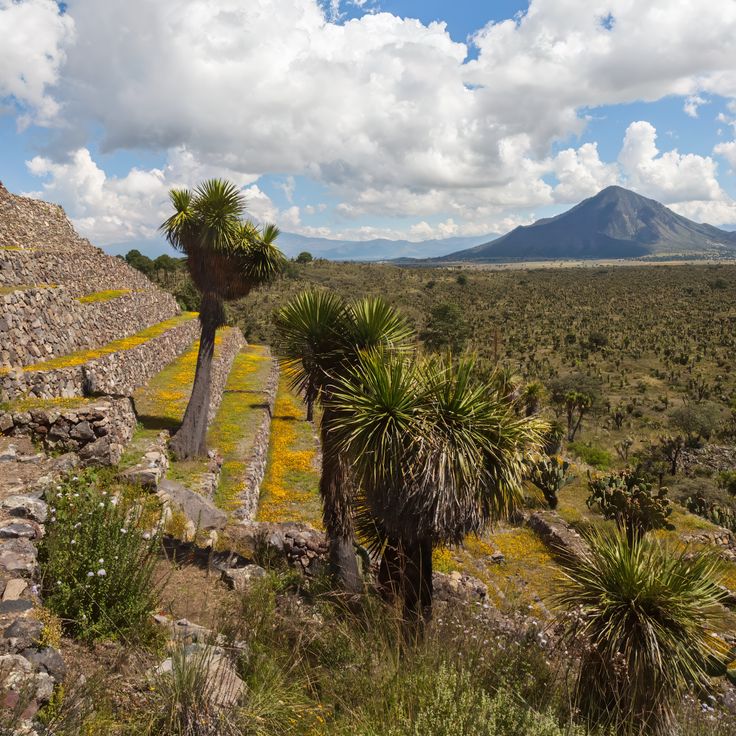
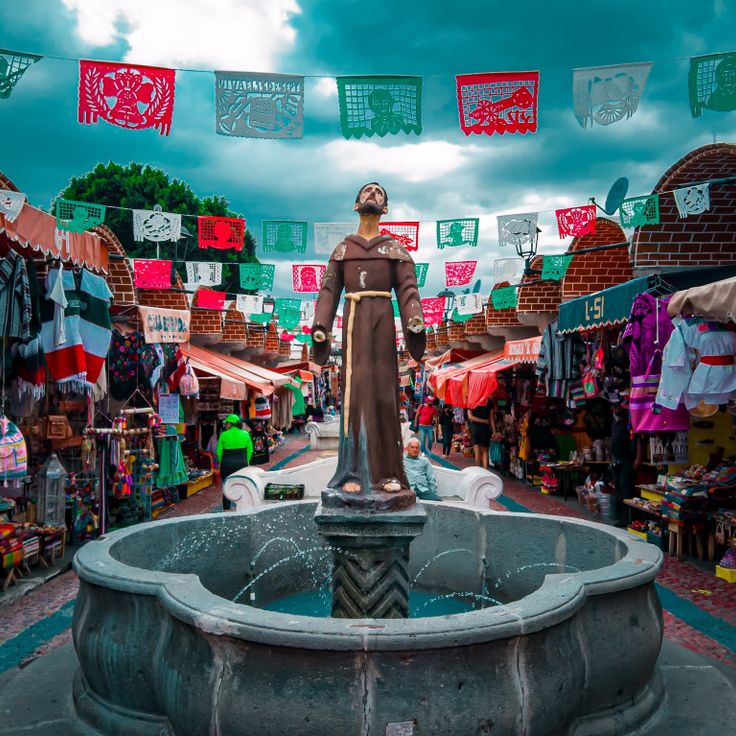
The Cantona Archaeological Site documents a pre-Hispanic city with extensive stone roads and ball courts. Natural attractions such as the Tulimán waterfalls near Zacatlán or Los Lavaderos de Almoloya show the surrounding landscape. Within the city, several museums address the colonial era, the Mexican Revolution, and religious art. Traditional markets like Mercado El Parían sell local handicrafts and ceramics. Neighborhoods such as Barrio del Artista draw painters and visitors. Parks, gardens, and modern installations like the Estrella de Puebla observation wheel complement the historical offerings.
The Puebla region combines colonial history, pre-Columbian heritage, and contemporary culture across a landscape of urban neighborhoods, archaeological sites, and rural communities. The city itself was founded in the 16th century and retains its colonial layout with churches, palaces, and public squares. The Biblioteca Palafoxiana is one of the oldest libraries in the Americas, housing thousands of historical volumes. Casa del Deán preserves murals from the early Spanish colonial period. Teatro Principal de Puebla is among the oldest theaters on the American continent.
The Cantona Archaeological Site documents a pre-Hispanic city with extensive stone roads and ball courts. Natural attractions such as the Tulimán waterfalls near Zacatlán or Los Lavaderos de Almoloya show the surrounding landscape. Within the city, several museums address the colonial era, the Mexican Revolution, and religious art. Traditional markets like Mercado El Parían sell local handicrafts and ceramics. Neighborhoods such as Barrio del Artista draw painters and visitors. Parks, gardens, and modern installations like the Estrella de Puebla observation wheel complement the historical offerings.
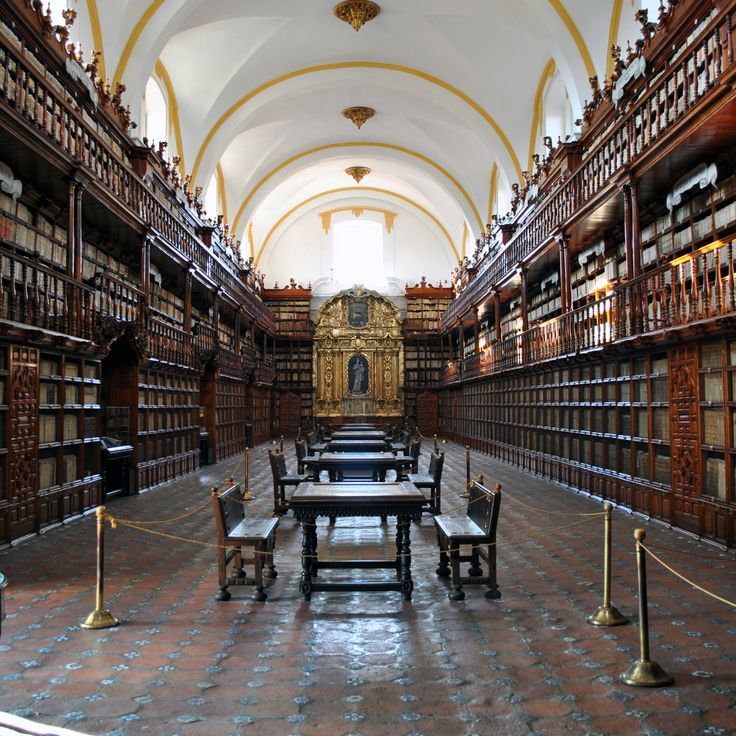
The Biblioteca Palafoxiana is one of the oldest libraries in the Americas and shows the intellectual history of the colonial period. It opened in 1646 and holds more than 45,000 volumes, including rare manuscripts, maps, and religious texts stored in carved wooden shelves. The reading hall features high ceilings and natural light that gently illuminates the old books. Originally serving to educate clergy, the library later opened its doors to researchers and visitors who can walk among the historical volumes.
Within the Puebla region's blend of colonial history and contemporary culture, this chapel at the Universidad de las Américas Puebla transformed a 19th-century structure into a space for changing exhibitions of contemporary art, photography, and multimedia installations by Mexican and international artists. The rooms connect historic architecture with modern display methods, allowing visitors to experience current artistic movements as the exhibitions rotate through different media.
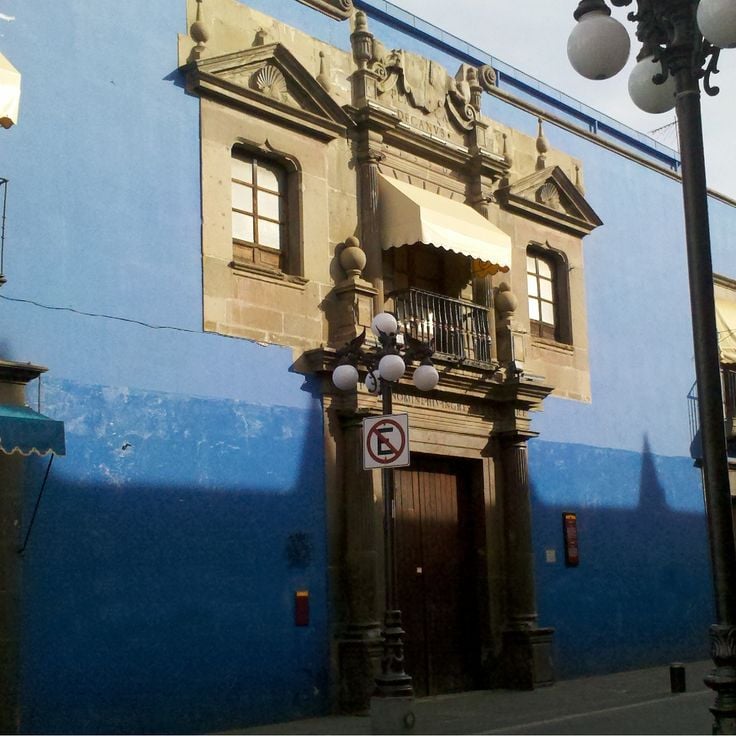
Casa del Deán is a house from 1563 displaying 16th century murals that combine classical myths and medieval hunting scenes with elements of pre-Columbian Mexican culture. This building stands among the oldest surviving residential structures in Puebla and offers insight into the early colonial period, when European traditions met American motifs. The frescoes decorate several rooms and reflect the intellectual life and taste of a church official who lived here. Figures from antiquity appear alongside animals and plants of the New World. Walking through these rooms gives a sense of daily life in the 16th century and of the cultural exchange between two continents.
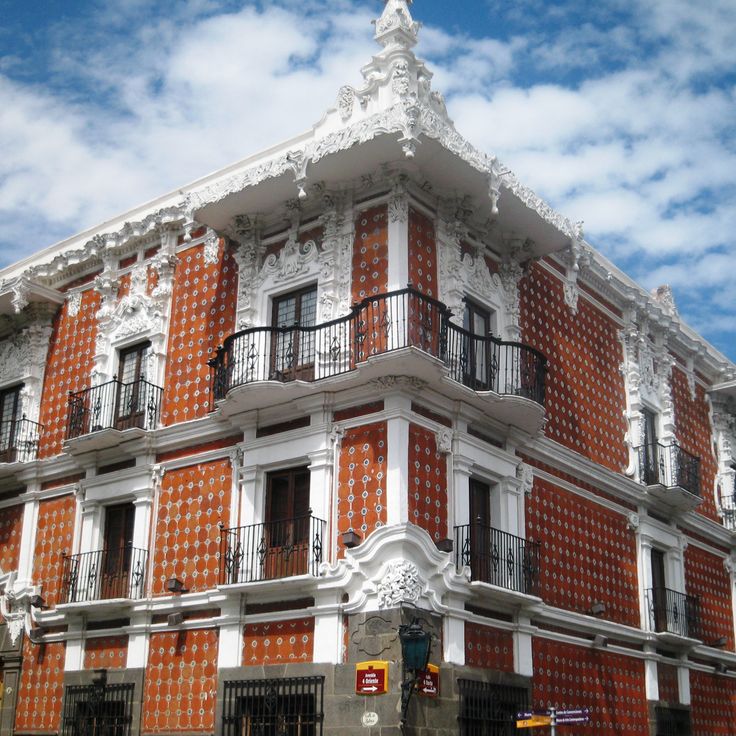
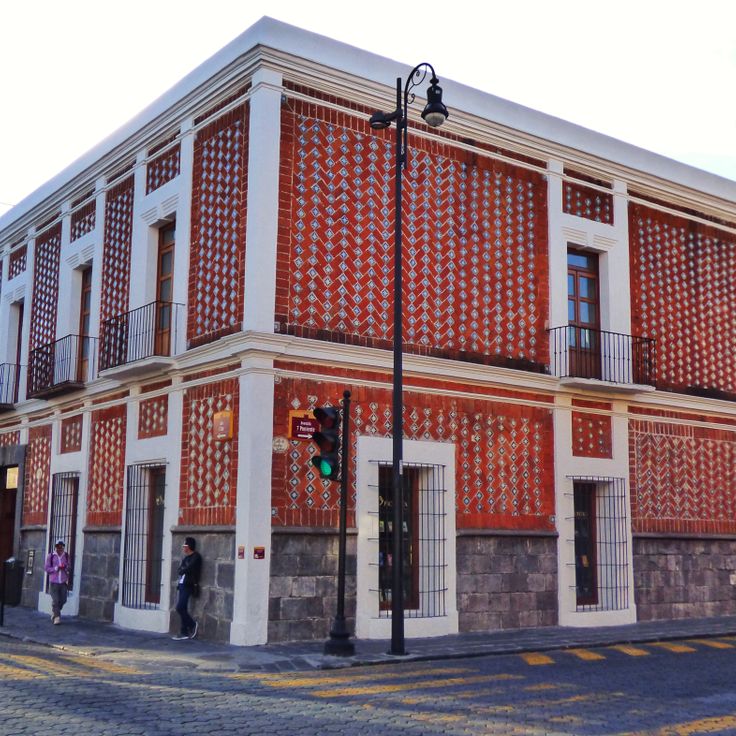
The Museo Casa del Alfeñique is a museum housed in an 18th century building that documents the colonial past of the Puebla region. White stucco decorates the interior walls and ceilings, a hallmark of the architectural style from that era. The collection displays furniture, household items, and personal objects that reflect daily life during the colonial period. Moving through several rooms, visitors see how people lived, what they owned, and what held value in their homes. The building itself stands in central Puebla and represents the local style of the 18th century.
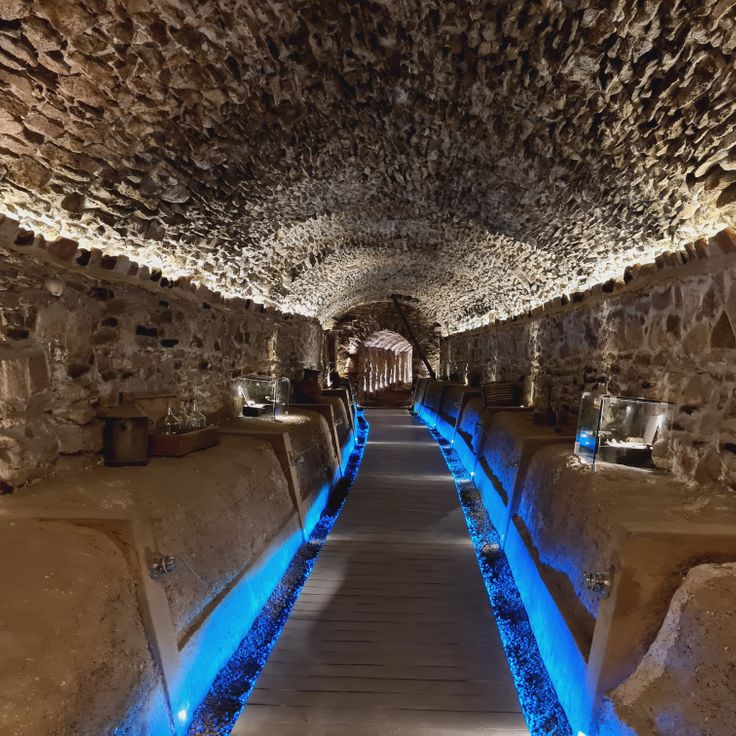
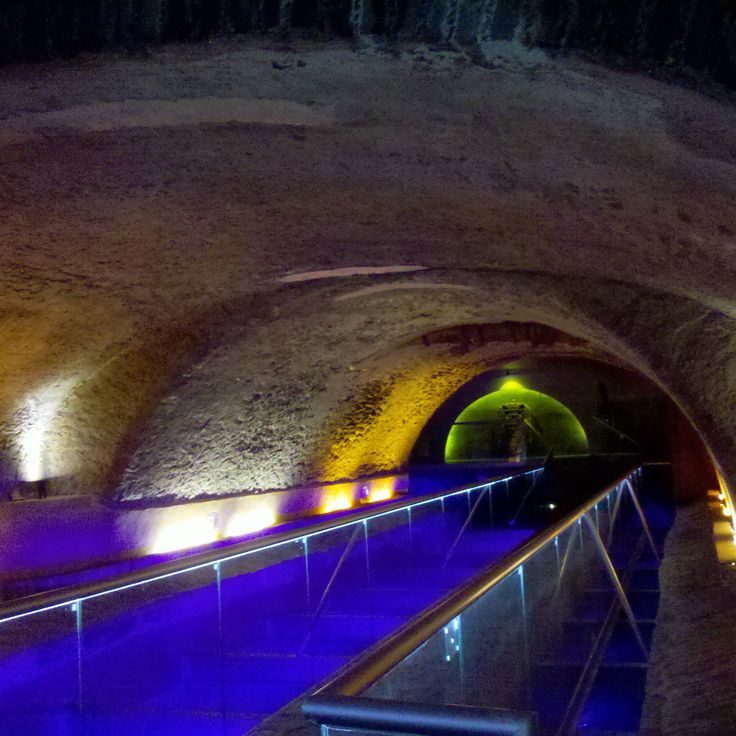
This underground tunnel network runs beneath the city center of Puebla and connects different points in the old town. During the 1862 Battle of Puebla, military forces used these passages for troop movements and protection. Visitors can walk through the passages and learn how soldiers moved through the city during this important moment in Mexican history.
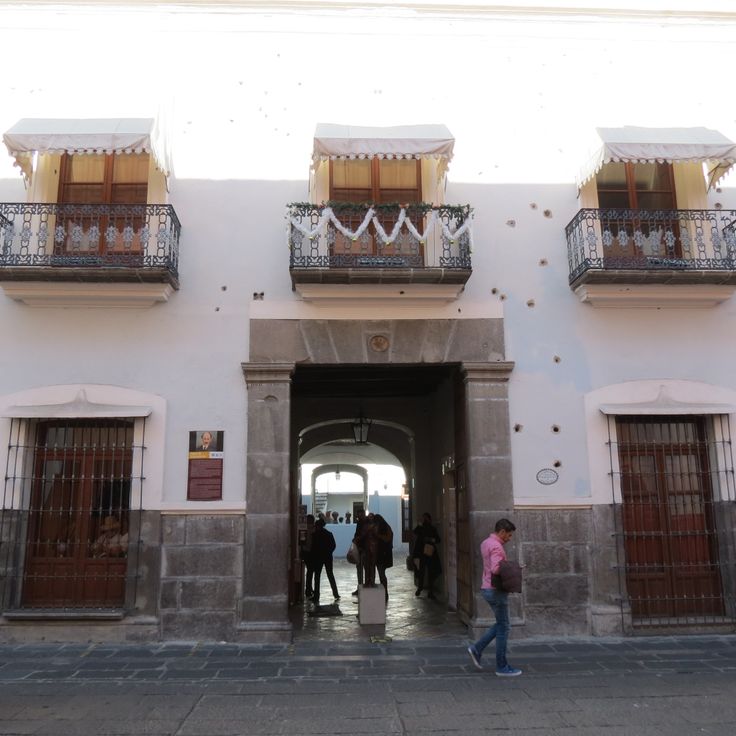
This museum displays weapons, uniforms, documents and photographs from the 1910 Mexican Revolution. The building served as a military headquarters during the conflict and now preserves a collection of objects offering insight into the battles and daily life of soldiers. Exhibition rooms contain personal belongings of revolutionaries, written records of political organization and visual material documenting the events. Visitors follow the historical development of the revolution and understand how the conflict affected Puebla and the country. Within Puebla's cultural landscape, this museum provides essential context for understanding a turning point in Mexican history.
This Linear Park in Puebla follows the path of a former railroad track through the city. The park provides walking paths, benches, gardens, and outdoor exercise equipment for residents and visitors. It serves as a green space where people rest, take walks, or exercise in the open air. As part of the city's network of public spaces, this park complements the historical sites and cultural offerings of the Puebla region.
Frogs Alley is a street in this historical neighborhood of Puebla where colonial buildings house antique shops and art galleries. Vendors offer furniture, old objects, and handcrafted goods. On weekends a market opens where visitors walk between stalls displaying vintage items and local work. This street brings together colonial architecture and active trade, representing the cultural heritage that defines many historical places in Puebla.
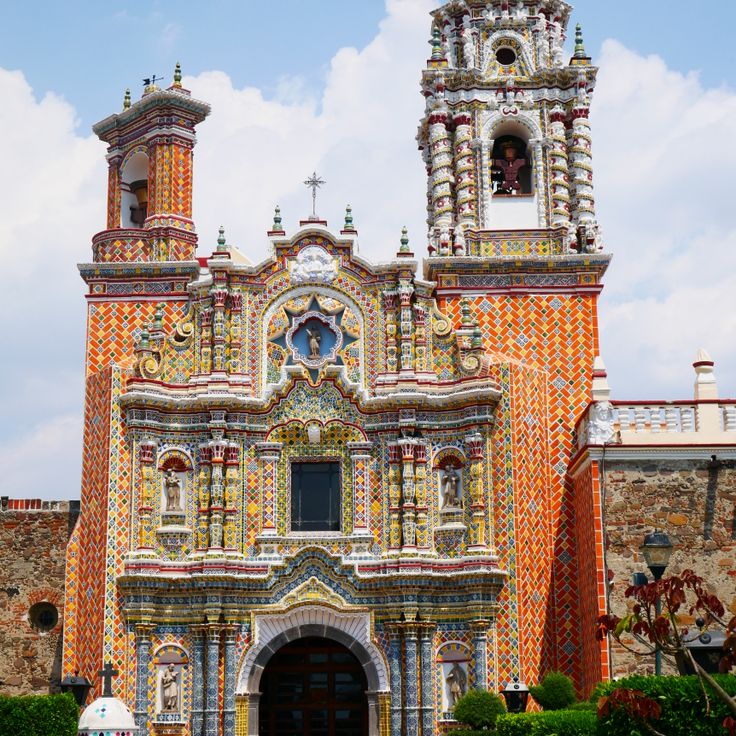
The Templo de San Francisco is a 16th century Catholic church located in Puebla that stands as a key example of the region's colonial past. Its baroque architecture displays elaborate ornamentation, with the main altar and walls showcasing a blend of Spanish design and indigenous artistic traditions. The church reflects how European and local creative practices came together during the colonial period, making it an important place to understand the cultural mixing that shaped Puebla's character.
Puente de Bubas is a bridge from 1682 that crosses the San Francisco River and shows the engineering methods of colonial times. The original stone arch spans the water, and the structure still stands. Visitors see here evidence of old construction work that connected the city with its outer districts and made trade and travel easier. This bridge belongs to the historical places and cultural sites in Puebla.
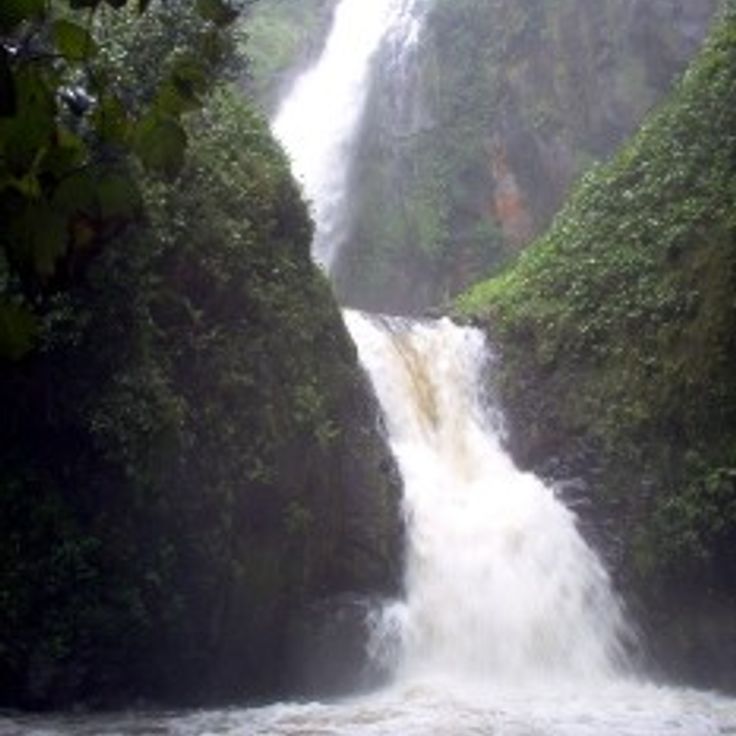
The Cascadas de Tulimán are waterfalls in the Puebla region that drop through several natural stone steps and levels. Water flows through a forested setting and forms different heights of falls and pools. Walking trails wind through the green surroundings to reach the cascades. This natural attraction shows the landscape of the Sierra Norte de Puebla and complements the cultural and historical offerings of the region.
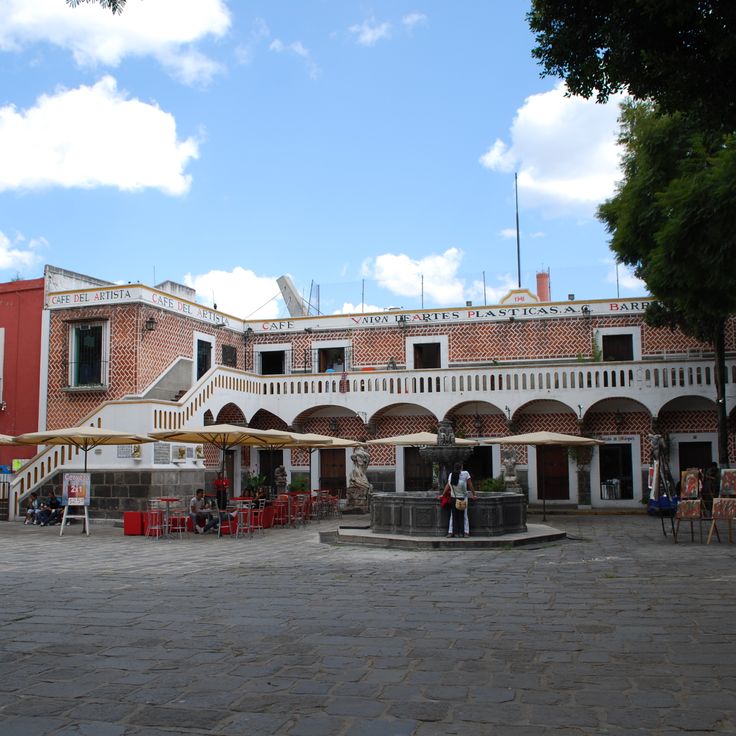
This cultural district gathers galleries, studios and workshops where painters and sculptors create their work daily. The area sits in the historic center of Puebla and emerged in the mid-20th century as a meeting point for artists. Visitors can watch creators at work, speak with them directly, and purchase pieces. The streets are lined with colonial buildings, some with interior courtyards where studios are located. On weekends, more artists gather outdoors to paint or display their work. The district maintains a quiet, artisan feeling within the larger city.
The Market of Poblano Flavors sits in the historic center of Puebla and connects everyday life with culinary tradition. This covered market offers stalls serving regional dishes from Puebla. Visitors can try mole, a complex sauce made with chilies and chocolate, along with tacos and cemitas, a local sandwich filled with avocado and papalo herb. Cooks prepare meals on site, often following family recipes. Locals and travelers move between tables, and the setting feels direct and busy. This market belongs to the collection of historical and cultural sites in Puebla, where colonial architecture meets contemporary city life.
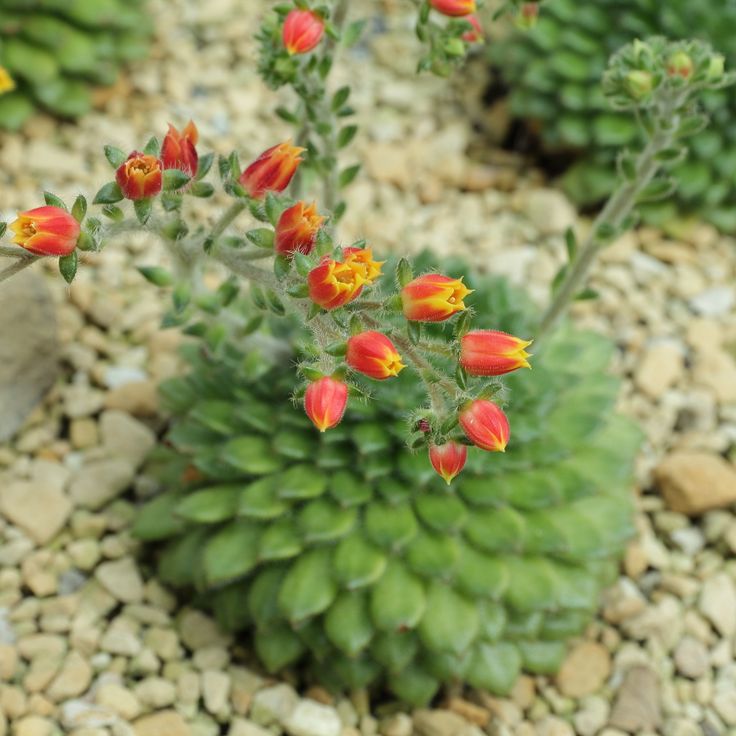
This botanical garden in San Andrés Cholula presents native Mexican plants and medicinal herbs from the Puebla region, as part of the area's rich cultural and natural heritage. The collection includes cacti, agaves, and other plants used for generations in traditional medicine. Visitors walk among the beds to learn about the healing properties of the flora. The garden preserves knowledge of plant-based remedies and reveals the botanical diversity of central Mexico. The grounds also function as an educational space for local plant species.
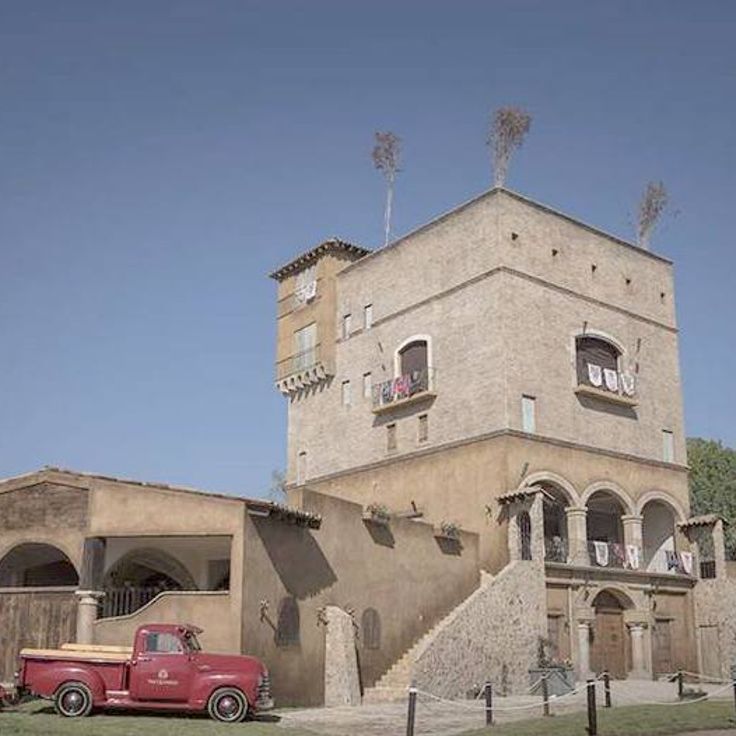
Val'Quirico is a commercial and residential complex near Puebla designed to evoke medieval European architecture. Stone buildings and cobblestone streets create a setting distinct from the traditional historical sites throughout the region. The complex houses restaurants, shops, and entertainment spaces where visitors walk through a landscape resembling old European towns. Val'Quirico combines shopping and dining with leisure activities, offering a themed environment that contrasts with the colonial heritage found elsewhere around Puebla. It serves as a place for recreation and exploration.
The Religious Art Museum of Santa Monica occupies a 17th-century convent and displays religious paintings, sculptures, and decorative objects from Mexico's colonial period. The collection includes liturgical items, altarpieces, and sacred art that document the spiritual life of that era. The rooms of the former convent preserve their original architecture and provide an appropriate setting for the exhibited works. Visitors walk through the galleries to learn about the artistic traditions that developed during Spanish rule. This museum contributes to Puebla's diverse cultural landscape, where colonial history, pre-Columbian heritage, and contemporary culture intersect.
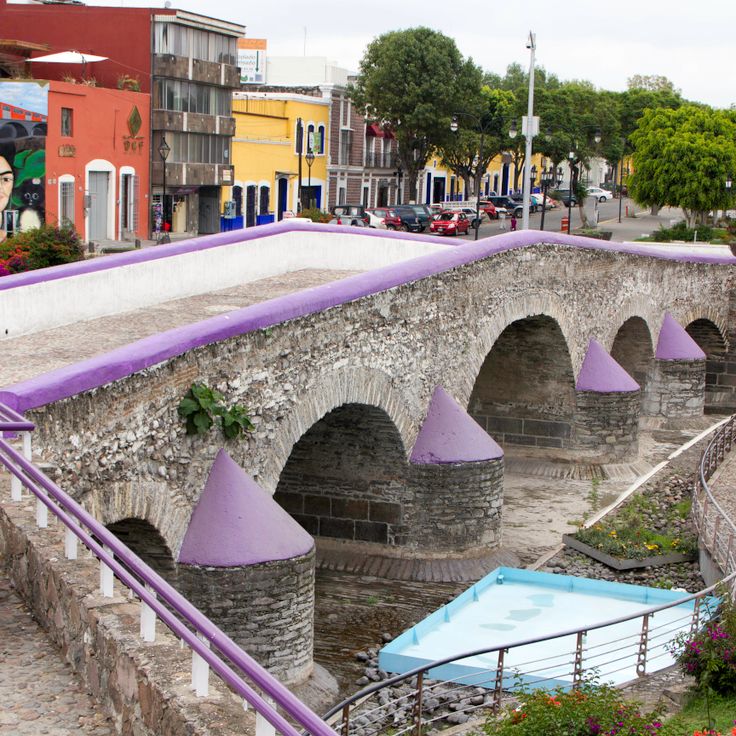
The Ovando Bridge is part of the historical places and cultural sites of the Puebla region. This bridge dates back to the 16th century and crosses the San Francisco River in central Puebla. It was built from stone and rests on three arches. The architecture shows colonial construction methods and belongs to the historical structures from the early period of Spanish rule in the region. Today it still connects both banks and fits into the cityscape.
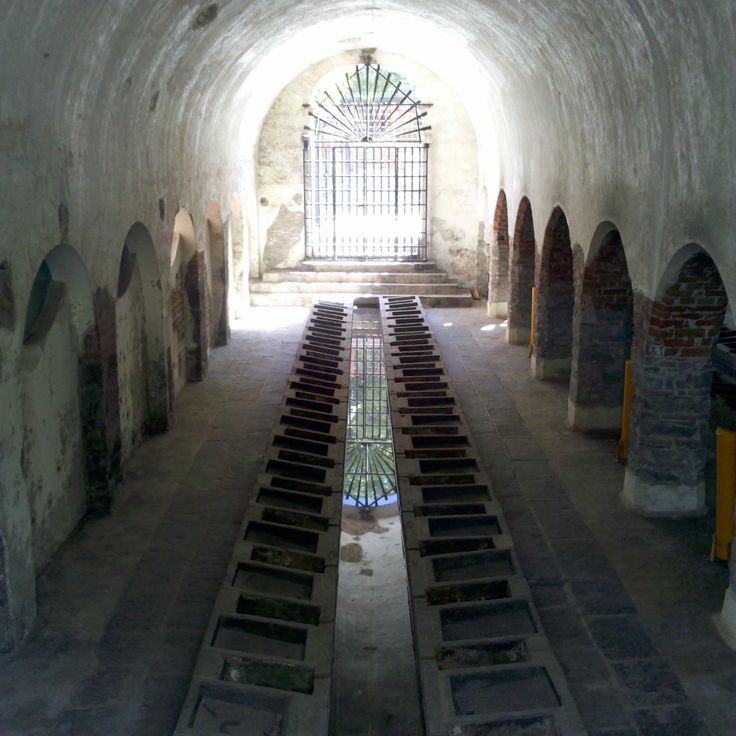
Los Lavaderos de Almoloya are public washing stations from the 16th century in Puebla, consisting of stone basins and water channels where residents once cleaned their clothes and met with neighbors. These stations served not only as practical workspaces but also as gathering points in daily life. The flowing water made it possible to wash garments together while people talked and shared news. Today, these washing stations show how everyday life was organized during the colonial period and what role water played in the community.
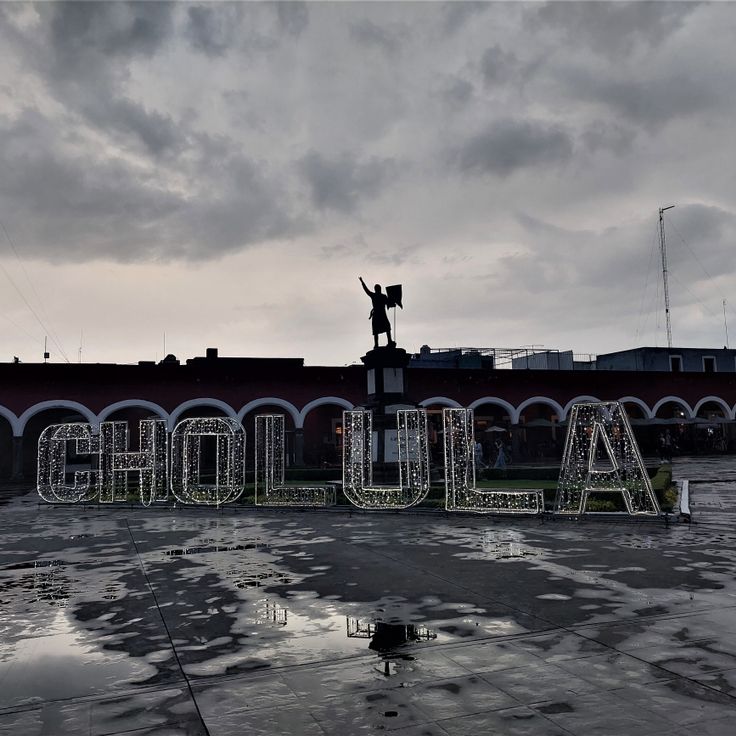
Within the collection of historical and cultural sites in Puebla, Plaza de la Concordia is a central square in San Pedro Cholula where colonial buildings meet the activity of a local marketplace. Vendors sell handcrafted goods and regional produce, while restaurants and shops line the edges. The square serves as a gathering place where locals and visitors pause to look around or grab a meal. The architecture dates from the colonial period and shapes how the square looks. Under arcades and in surrounding lanes, you find workshops and small stores that display the traditional crafts of the region.
Cantona Archaeological Site preserves the remains of a city inhabited between the 7th and 11th centuries. The place shows stone constructions, public plazas, and several ball courts for the ceremonial game. Defensive walls surrounded the settlement, and paved pathways connected different sections. The structures were built without mortar, relying on precise stone placement. Cantona Archaeological Site sits on volcanic terrain and offers a view into a culture that practiced trade and religious ceremonies. It stands as one of the significant pre-Hispanic locations within the Puebla region's mix of colonial history and cultural heritage.
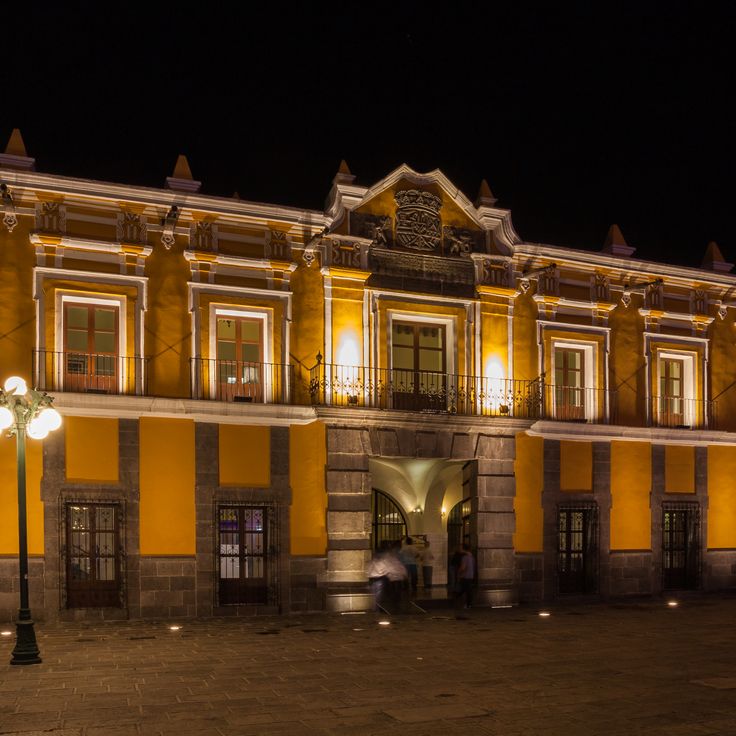
The Teatro Principal de Puebla is one of the oldest theaters in the Americas, having opened in 1760. Located in the historic center of the city, it displays the colonial construction style of the 18th century. The hall preserves its original architecture with wooden balconies and baroque decoration. As part of Puebla's rich cultural history, this theater regularly hosts opera performances, ballet evenings, and theatrical productions with local and international artists.
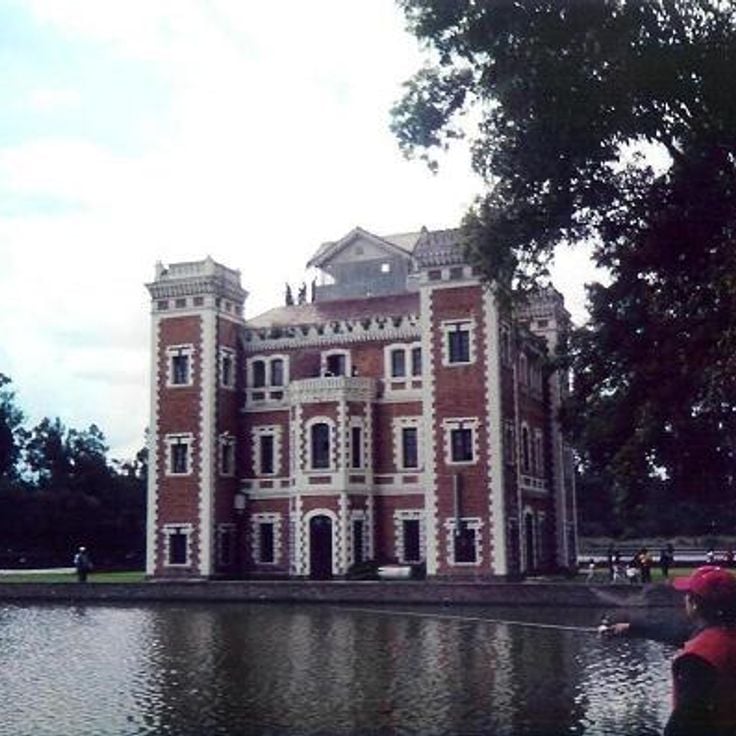
This former agricultural estate from the 19th century shows how landowners in the Puebla region once lived and worked. The hacienda spreads across gardens, a small lake, and a castle built in the Victorian style at the end of the 1800s. Paths lead through landscaped grounds where trees offer shade and water sits quietly between the buildings. The castle combines European architecture with Mexican hacienda history. Visitors can walk through rooms and see how furniture and decoration from that time are arranged. The gardens invite strolling, while the lake gives the landscape a peaceful character. Ex Hacienda Chautla belongs to the historical places in Puebla that preserve the life and culture of past centuries.
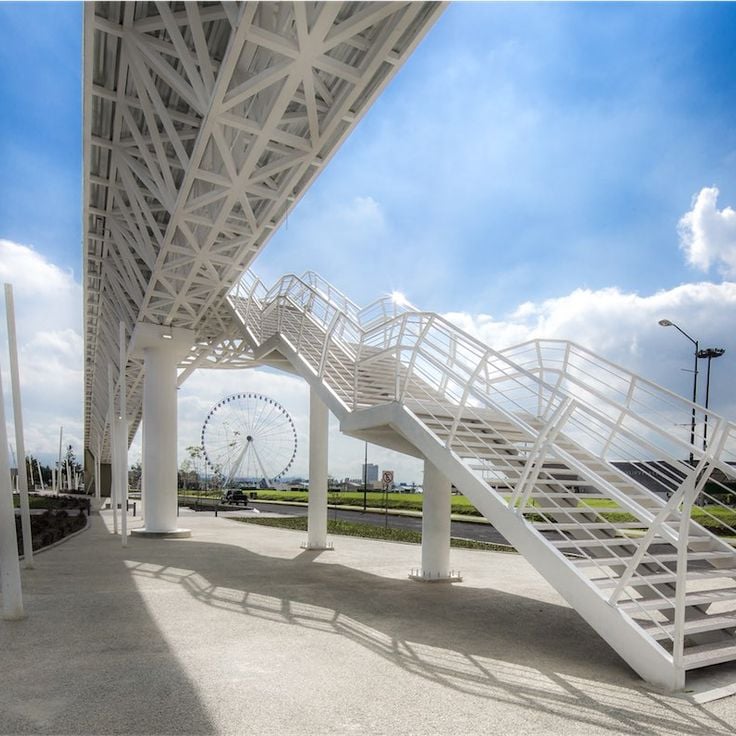
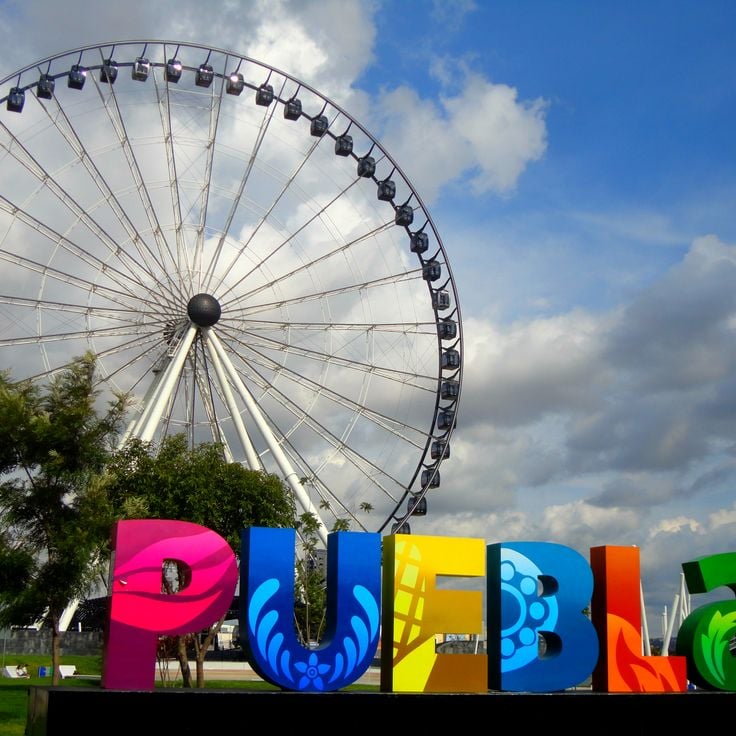
The Estrella de Puebla observation wheel offers a modern perspective on this city known for its 16th-century colonial heritage, pre-Columbian sites, and cultural landmarks. Rising 80 meters (262 feet) high with 54 gondolas, it provides views across the old town, surrounding volcanoes, and on clear days, the snow-covered peaks of Popocatépetl and Iztaccíhuatl. Each ride lasts about twenty minutes and travels over the contemporary district at the city's edge. From the top, visitors see the colonial street layout, the churches and palaces that define the historic center, and the landscape beyond where archaeological sites and natural features like waterfalls shape the region.
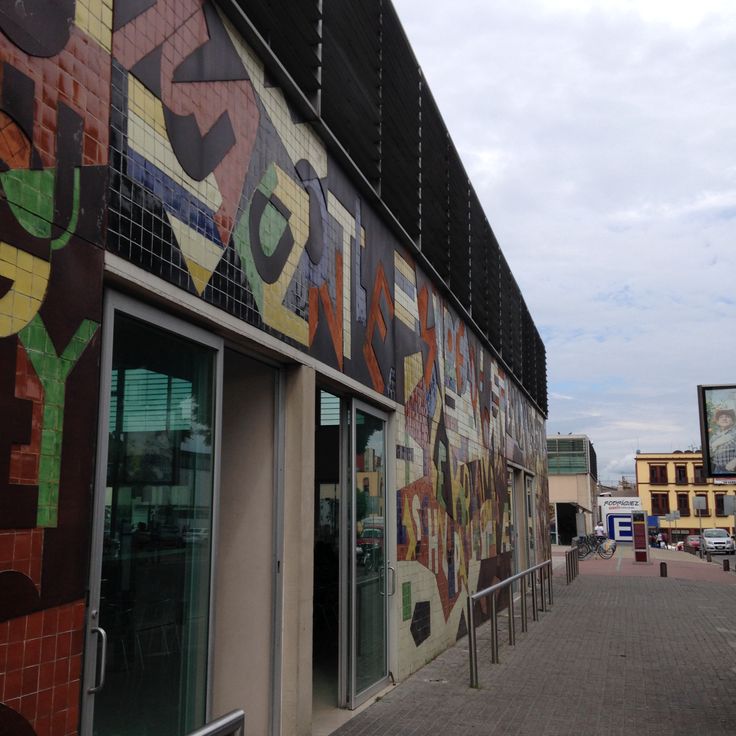
This covered market is part of the historical places and cultural sites of Puebla and demonstrates the city's continuing craft and trade traditions. With about 140 permanent stalls, vendors sell regional textiles, ceramics, glass art, and traditional candies from the Puebla area. Visitors find handmade goods produced using methods passed down through generations, including painted pottery and woven fabrics with local patterns. The market serves as a gathering point where sellers display their products and shoppers from the city and beyond move between the stalls. The space fills with conversations between vendors and customers, while the building provides shelter from sun and rain.
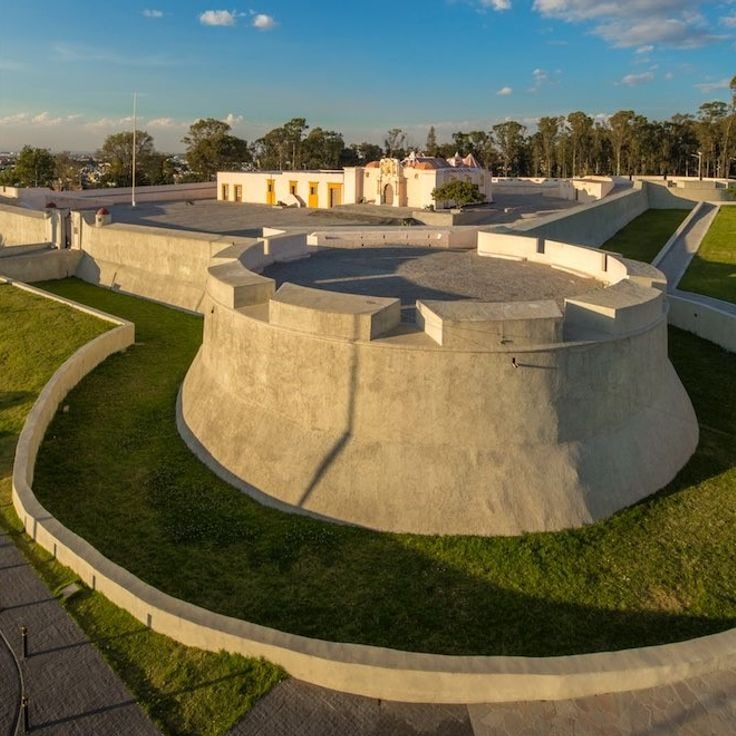
The Fuertes de Loreto y Guadalupe are two fortifications from the 19th century that stand on a hill above the city of Puebla. They hold an important place in Mexican history, particularly because of the battle of May 5, 1862, when Mexican troops defeated French soldiers here - an event celebrated today as a national holiday. The buildings house museums displaying weapons, uniforms, and objects from that era. Visitors can walk through the walls, courtyards, and lookout points. From these fortifications, you see the city spread below and the mountains around it. Between the two structures lies a park with paths and open areas where families come to walk and gather.
Profetica is a colonial building in Puebla that holds a collection of 25,000 books in quiet reading rooms. The café serves regional dishes, while exhibition spaces host rotating art and cultural events. The building combines historic architecture with contemporary cultural life. Visitors can browse among the bookshelves, attend literary gatherings, or spend time over coffee and local food. Profetica functions as both a library and a meeting place for readers and locals interested in the arts.
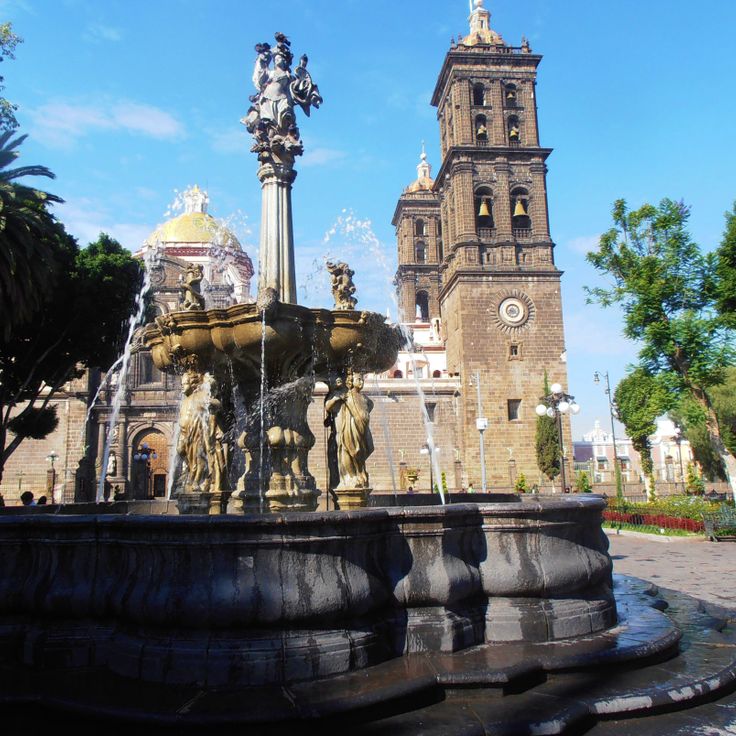
The Zócalo de Puebla forms the heart of the city within this region of colonial history and pre-Columbian heritage, where Spanish settlers laid out the streets in the 16th century. A stone fountain built in 1777 stands at the center. The Cathedral rises on the south side with its two towers. City Hall stands to the north. Colonial buildings surround the square with facades showing tiles and balconies from that era. Shops, restaurants, and cafes occupy the ground floors. Locals and travelers meet here during the day and evening. People sit on benches. Vendors sell balloons and snacks. On weekends, cultural events sometimes take place.
The Biblioteca Palafoxiana is one of the oldest libraries in the Americas and shows the intellectual history of the colonial period. It opened in 1646 and holds more than 45,000 volumes, including rare manuscripts, maps, and religious texts stored in carved wooden shelves. The reading hall features high ceilings and natural light that gently illuminates the old books. Originally serving to educate clergy, the library later opened its doors to researchers and visitors who can walk among the historical volumes.
Within the Puebla region's blend of colonial history and contemporary culture, this chapel at the Universidad de las Américas Puebla transformed a 19th-century structure into a space for changing exhibitions of contemporary art, photography, and multimedia installations by Mexican and international artists. The rooms connect historic architecture with modern display methods, allowing visitors to experience current artistic movements as the exhibitions rotate through different media.
Casa del Deán is a house from 1563 displaying 16th century murals that combine classical myths and medieval hunting scenes with elements of pre-Columbian Mexican culture. This building stands among the oldest surviving residential structures in Puebla and offers insight into the early colonial period, when European traditions met American motifs. The frescoes decorate several rooms and reflect the intellectual life and taste of a church official who lived here. Figures from antiquity appear alongside animals and plants of the New World. Walking through these rooms gives a sense of daily life in the 16th century and of the cultural exchange between two continents.
The Museo Casa del Alfeñique is a museum housed in an 18th century building that documents the colonial past of the Puebla region. White stucco decorates the interior walls and ceilings, a hallmark of the architectural style from that era. The collection displays furniture, household items, and personal objects that reflect daily life during the colonial period. Moving through several rooms, visitors see how people lived, what they owned, and what held value in their homes. The building itself stands in central Puebla and represents the local style of the 18th century.
This underground tunnel network runs beneath the city center of Puebla and connects different points in the old town. During the 1862 Battle of Puebla, military forces used these passages for troop movements and protection. Visitors can walk through the passages and learn how soldiers moved through the city during this important moment in Mexican history.
This museum displays weapons, uniforms, documents and photographs from the 1910 Mexican Revolution. The building served as a military headquarters during the conflict and now preserves a collection of objects offering insight into the battles and daily life of soldiers. Exhibition rooms contain personal belongings of revolutionaries, written records of political organization and visual material documenting the events. Visitors follow the historical development of the revolution and understand how the conflict affected Puebla and the country. Within Puebla's cultural landscape, this museum provides essential context for understanding a turning point in Mexican history.
This Linear Park in Puebla follows the path of a former railroad track through the city. The park provides walking paths, benches, gardens, and outdoor exercise equipment for residents and visitors. It serves as a green space where people rest, take walks, or exercise in the open air. As part of the city's network of public spaces, this park complements the historical sites and cultural offerings of the Puebla region.
Frogs Alley is a street in this historical neighborhood of Puebla where colonial buildings house antique shops and art galleries. Vendors offer furniture, old objects, and handcrafted goods. On weekends a market opens where visitors walk between stalls displaying vintage items and local work. This street brings together colonial architecture and active trade, representing the cultural heritage that defines many historical places in Puebla.
The Templo de San Francisco is a 16th century Catholic church located in Puebla that stands as a key example of the region's colonial past. Its baroque architecture displays elaborate ornamentation, with the main altar and walls showcasing a blend of Spanish design and indigenous artistic traditions. The church reflects how European and local creative practices came together during the colonial period, making it an important place to understand the cultural mixing that shaped Puebla's character.
Puente de Bubas is a bridge from 1682 that crosses the San Francisco River and shows the engineering methods of colonial times. The original stone arch spans the water, and the structure still stands. Visitors see here evidence of old construction work that connected the city with its outer districts and made trade and travel easier. This bridge belongs to the historical places and cultural sites in Puebla.
The Cascadas de Tulimán are waterfalls in the Puebla region that drop through several natural stone steps and levels. Water flows through a forested setting and forms different heights of falls and pools. Walking trails wind through the green surroundings to reach the cascades. This natural attraction shows the landscape of the Sierra Norte de Puebla and complements the cultural and historical offerings of the region.
This cultural district gathers galleries, studios and workshops where painters and sculptors create their work daily. The area sits in the historic center of Puebla and emerged in the mid-20th century as a meeting point for artists. Visitors can watch creators at work, speak with them directly, and purchase pieces. The streets are lined with colonial buildings, some with interior courtyards where studios are located. On weekends, more artists gather outdoors to paint or display their work. The district maintains a quiet, artisan feeling within the larger city.
The Market of Poblano Flavors sits in the historic center of Puebla and connects everyday life with culinary tradition. This covered market offers stalls serving regional dishes from Puebla. Visitors can try mole, a complex sauce made with chilies and chocolate, along with tacos and cemitas, a local sandwich filled with avocado and papalo herb. Cooks prepare meals on site, often following family recipes. Locals and travelers move between tables, and the setting feels direct and busy. This market belongs to the collection of historical and cultural sites in Puebla, where colonial architecture meets contemporary city life.
This botanical garden in San Andrés Cholula presents native Mexican plants and medicinal herbs from the Puebla region, as part of the area's rich cultural and natural heritage. The collection includes cacti, agaves, and other plants used for generations in traditional medicine. Visitors walk among the beds to learn about the healing properties of the flora. The garden preserves knowledge of plant-based remedies and reveals the botanical diversity of central Mexico. The grounds also function as an educational space for local plant species.
Val'Quirico is a commercial and residential complex near Puebla designed to evoke medieval European architecture. Stone buildings and cobblestone streets create a setting distinct from the traditional historical sites throughout the region. The complex houses restaurants, shops, and entertainment spaces where visitors walk through a landscape resembling old European towns. Val'Quirico combines shopping and dining with leisure activities, offering a themed environment that contrasts with the colonial heritage found elsewhere around Puebla. It serves as a place for recreation and exploration.
The Religious Art Museum of Santa Monica occupies a 17th-century convent and displays religious paintings, sculptures, and decorative objects from Mexico's colonial period. The collection includes liturgical items, altarpieces, and sacred art that document the spiritual life of that era. The rooms of the former convent preserve their original architecture and provide an appropriate setting for the exhibited works. Visitors walk through the galleries to learn about the artistic traditions that developed during Spanish rule. This museum contributes to Puebla's diverse cultural landscape, where colonial history, pre-Columbian heritage, and contemporary culture intersect.
The Ovando Bridge is part of the historical places and cultural sites of the Puebla region. This bridge dates back to the 16th century and crosses the San Francisco River in central Puebla. It was built from stone and rests on three arches. The architecture shows colonial construction methods and belongs to the historical structures from the early period of Spanish rule in the region. Today it still connects both banks and fits into the cityscape.
Los Lavaderos de Almoloya are public washing stations from the 16th century in Puebla, consisting of stone basins and water channels where residents once cleaned their clothes and met with neighbors. These stations served not only as practical workspaces but also as gathering points in daily life. The flowing water made it possible to wash garments together while people talked and shared news. Today, these washing stations show how everyday life was organized during the colonial period and what role water played in the community.
Within the collection of historical and cultural sites in Puebla, Plaza de la Concordia is a central square in San Pedro Cholula where colonial buildings meet the activity of a local marketplace. Vendors sell handcrafted goods and regional produce, while restaurants and shops line the edges. The square serves as a gathering place where locals and visitors pause to look around or grab a meal. The architecture dates from the colonial period and shapes how the square looks. Under arcades and in surrounding lanes, you find workshops and small stores that display the traditional crafts of the region.
Cantona Archaeological Site preserves the remains of a city inhabited between the 7th and 11th centuries. The place shows stone constructions, public plazas, and several ball courts for the ceremonial game. Defensive walls surrounded the settlement, and paved pathways connected different sections. The structures were built without mortar, relying on precise stone placement. Cantona Archaeological Site sits on volcanic terrain and offers a view into a culture that practiced trade and religious ceremonies. It stands as one of the significant pre-Hispanic locations within the Puebla region's mix of colonial history and cultural heritage.
The Teatro Principal de Puebla is one of the oldest theaters in the Americas, having opened in 1760. Located in the historic center of the city, it displays the colonial construction style of the 18th century. The hall preserves its original architecture with wooden balconies and baroque decoration. As part of Puebla's rich cultural history, this theater regularly hosts opera performances, ballet evenings, and theatrical productions with local and international artists.
This former agricultural estate from the 19th century shows how landowners in the Puebla region once lived and worked. The hacienda spreads across gardens, a small lake, and a castle built in the Victorian style at the end of the 1800s. Paths lead through landscaped grounds where trees offer shade and water sits quietly between the buildings. The castle combines European architecture with Mexican hacienda history. Visitors can walk through rooms and see how furniture and decoration from that time are arranged. The gardens invite strolling, while the lake gives the landscape a peaceful character. Ex Hacienda Chautla belongs to the historical places in Puebla that preserve the life and culture of past centuries.
The Estrella de Puebla observation wheel offers a modern perspective on this city known for its 16th-century colonial heritage, pre-Columbian sites, and cultural landmarks. Rising 80 meters (262 feet) high with 54 gondolas, it provides views across the old town, surrounding volcanoes, and on clear days, the snow-covered peaks of Popocatépetl and Iztaccíhuatl. Each ride lasts about twenty minutes and travels over the contemporary district at the city's edge. From the top, visitors see the colonial street layout, the churches and palaces that define the historic center, and the landscape beyond where archaeological sites and natural features like waterfalls shape the region.
This covered market is part of the historical places and cultural sites of Puebla and demonstrates the city's continuing craft and trade traditions. With about 140 permanent stalls, vendors sell regional textiles, ceramics, glass art, and traditional candies from the Puebla area. Visitors find handmade goods produced using methods passed down through generations, including painted pottery and woven fabrics with local patterns. The market serves as a gathering point where sellers display their products and shoppers from the city and beyond move between the stalls. The space fills with conversations between vendors and customers, while the building provides shelter from sun and rain.
The Fuertes de Loreto y Guadalupe are two fortifications from the 19th century that stand on a hill above the city of Puebla. They hold an important place in Mexican history, particularly because of the battle of May 5, 1862, when Mexican troops defeated French soldiers here - an event celebrated today as a national holiday. The buildings house museums displaying weapons, uniforms, and objects from that era. Visitors can walk through the walls, courtyards, and lookout points. From these fortifications, you see the city spread below and the mountains around it. Between the two structures lies a park with paths and open areas where families come to walk and gather.
Profetica is a colonial building in Puebla that holds a collection of 25,000 books in quiet reading rooms. The café serves regional dishes, while exhibition spaces host rotating art and cultural events. The building combines historic architecture with contemporary cultural life. Visitors can browse among the bookshelves, attend literary gatherings, or spend time over coffee and local food. Profetica functions as both a library and a meeting place for readers and locals interested in the arts.
The Zócalo de Puebla forms the heart of the city within this region of colonial history and pre-Columbian heritage, where Spanish settlers laid out the streets in the 16th century. A stone fountain built in 1777 stands at the center. The Cathedral rises on the south side with its two towers. City Hall stands to the north. Colonial buildings surround the square with facades showing tiles and balconies from that era. Shops, restaurants, and cafes occupy the ground floors. Locals and travelers meet here during the day and evening. People sit on benches. Vendors sell balloons and snacks. On weekends, cultural events sometimes take place.
The Biblioteca Palafoxiana is one of the oldest libraries in the Americas and shows the intellectual history of the colonial period. It opened in 1646 and holds more than 45,000 volumes, including rare manuscripts, maps, and religious texts stored in carved wooden shelves. The reading hall features high ceilings and natural light that gently illuminates the old books. Originally serving to educate clergy, the library later opened its doors to researchers and visitors who can walk among the historical volumes.
Within the Puebla region's blend of colonial history and contemporary culture, this chapel at the Universidad de las Américas Puebla transformed a 19th-century structure into a space for changing exhibitions of contemporary art, photography, and multimedia installations by Mexican and international artists. The rooms connect historic architecture with modern display methods, allowing visitors to experience current artistic movements as the exhibitions rotate through different media.
Casa del Deán is a house from 1563 displaying 16th century murals that combine classical myths and medieval hunting scenes with elements of pre-Columbian Mexican culture. This building stands among the oldest surviving residential structures in Puebla and offers insight into the early colonial period, when European traditions met American motifs. The frescoes decorate several rooms and reflect the intellectual life and taste of a church official who lived here. Figures from antiquity appear alongside animals and plants of the New World. Walking through these rooms gives a sense of daily life in the 16th century and of the cultural exchange between two continents.
The Museo Casa del Alfeñique is a museum housed in an 18th century building that documents the colonial past of the Puebla region. White stucco decorates the interior walls and ceilings, a hallmark of the architectural style from that era. The collection displays furniture, household items, and personal objects that reflect daily life during the colonial period. Moving through several rooms, visitors see how people lived, what they owned, and what held value in their homes. The building itself stands in central Puebla and represents the local style of the 18th century.
This underground tunnel network runs beneath the city center of Puebla and connects different points in the old town. During the 1862 Battle of Puebla, military forces used these passages for troop movements and protection. Visitors can walk through the passages and learn how soldiers moved through the city during this important moment in Mexican history.
This museum displays weapons, uniforms, documents and photographs from the 1910 Mexican Revolution. The building served as a military headquarters during the conflict and now preserves a collection of objects offering insight into the battles and daily life of soldiers. Exhibition rooms contain personal belongings of revolutionaries, written records of political organization and visual material documenting the events. Visitors follow the historical development of the revolution and understand how the conflict affected Puebla and the country. Within Puebla's cultural landscape, this museum provides essential context for understanding a turning point in Mexican history.
This Linear Park in Puebla follows the path of a former railroad track through the city. The park provides walking paths, benches, gardens, and outdoor exercise equipment for residents and visitors. It serves as a green space where people rest, take walks, or exercise in the open air. As part of the city's network of public spaces, this park complements the historical sites and cultural offerings of the Puebla region.
Frogs Alley is a street in this historical neighborhood of Puebla where colonial buildings house antique shops and art galleries. Vendors offer furniture, old objects, and handcrafted goods. On weekends a market opens where visitors walk between stalls displaying vintage items and local work. This street brings together colonial architecture and active trade, representing the cultural heritage that defines many historical places in Puebla.
The Templo de San Francisco is a 16th century Catholic church located in Puebla that stands as a key example of the region's colonial past. Its baroque architecture displays elaborate ornamentation, with the main altar and walls showcasing a blend of Spanish design and indigenous artistic traditions. The church reflects how European and local creative practices came together during the colonial period, making it an important place to understand the cultural mixing that shaped Puebla's character.
Puente de Bubas is a bridge from 1682 that crosses the San Francisco River and shows the engineering methods of colonial times. The original stone arch spans the water, and the structure still stands. Visitors see here evidence of old construction work that connected the city with its outer districts and made trade and travel easier. This bridge belongs to the historical places and cultural sites in Puebla.
The Cascadas de Tulimán are waterfalls in the Puebla region that drop through several natural stone steps and levels. Water flows through a forested setting and forms different heights of falls and pools. Walking trails wind through the green surroundings to reach the cascades. This natural attraction shows the landscape of the Sierra Norte de Puebla and complements the cultural and historical offerings of the region.
This cultural district gathers galleries, studios and workshops where painters and sculptors create their work daily. The area sits in the historic center of Puebla and emerged in the mid-20th century as a meeting point for artists. Visitors can watch creators at work, speak with them directly, and purchase pieces. The streets are lined with colonial buildings, some with interior courtyards where studios are located. On weekends, more artists gather outdoors to paint or display their work. The district maintains a quiet, artisan feeling within the larger city.
The Market of Poblano Flavors sits in the historic center of Puebla and connects everyday life with culinary tradition. This covered market offers stalls serving regional dishes from Puebla. Visitors can try mole, a complex sauce made with chilies and chocolate, along with tacos and cemitas, a local sandwich filled with avocado and papalo herb. Cooks prepare meals on site, often following family recipes. Locals and travelers move between tables, and the setting feels direct and busy. This market belongs to the collection of historical and cultural sites in Puebla, where colonial architecture meets contemporary city life.
This botanical garden in San Andrés Cholula presents native Mexican plants and medicinal herbs from the Puebla region, as part of the area's rich cultural and natural heritage. The collection includes cacti, agaves, and other plants used for generations in traditional medicine. Visitors walk among the beds to learn about the healing properties of the flora. The garden preserves knowledge of plant-based remedies and reveals the botanical diversity of central Mexico. The grounds also function as an educational space for local plant species.
Val'Quirico is a commercial and residential complex near Puebla designed to evoke medieval European architecture. Stone buildings and cobblestone streets create a setting distinct from the traditional historical sites throughout the region. The complex houses restaurants, shops, and entertainment spaces where visitors walk through a landscape resembling old European towns. Val'Quirico combines shopping and dining with leisure activities, offering a themed environment that contrasts with the colonial heritage found elsewhere around Puebla. It serves as a place for recreation and exploration.
The Religious Art Museum of Santa Monica occupies a 17th-century convent and displays religious paintings, sculptures, and decorative objects from Mexico's colonial period. The collection includes liturgical items, altarpieces, and sacred art that document the spiritual life of that era. The rooms of the former convent preserve their original architecture and provide an appropriate setting for the exhibited works. Visitors walk through the galleries to learn about the artistic traditions that developed during Spanish rule. This museum contributes to Puebla's diverse cultural landscape, where colonial history, pre-Columbian heritage, and contemporary culture intersect.
The Ovando Bridge is part of the historical places and cultural sites of the Puebla region. This bridge dates back to the 16th century and crosses the San Francisco River in central Puebla. It was built from stone and rests on three arches. The architecture shows colonial construction methods and belongs to the historical structures from the early period of Spanish rule in the region. Today it still connects both banks and fits into the cityscape.
Los Lavaderos de Almoloya are public washing stations from the 16th century in Puebla, consisting of stone basins and water channels where residents once cleaned their clothes and met with neighbors. These stations served not only as practical workspaces but also as gathering points in daily life. The flowing water made it possible to wash garments together while people talked and shared news. Today, these washing stations show how everyday life was organized during the colonial period and what role water played in the community.
Within the collection of historical and cultural sites in Puebla, Plaza de la Concordia is a central square in San Pedro Cholula where colonial buildings meet the activity of a local marketplace. Vendors sell handcrafted goods and regional produce, while restaurants and shops line the edges. The square serves as a gathering place where locals and visitors pause to look around or grab a meal. The architecture dates from the colonial period and shapes how the square looks. Under arcades and in surrounding lanes, you find workshops and small stores that display the traditional crafts of the region.
Cantona Archaeological Site preserves the remains of a city inhabited between the 7th and 11th centuries. The place shows stone constructions, public plazas, and several ball courts for the ceremonial game. Defensive walls surrounded the settlement, and paved pathways connected different sections. The structures were built without mortar, relying on precise stone placement. Cantona Archaeological Site sits on volcanic terrain and offers a view into a culture that practiced trade and religious ceremonies. It stands as one of the significant pre-Hispanic locations within the Puebla region's mix of colonial history and cultural heritage.
The Teatro Principal de Puebla is one of the oldest theaters in the Americas, having opened in 1760. Located in the historic center of the city, it displays the colonial construction style of the 18th century. The hall preserves its original architecture with wooden balconies and baroque decoration. As part of Puebla's rich cultural history, this theater regularly hosts opera performances, ballet evenings, and theatrical productions with local and international artists.
This former agricultural estate from the 19th century shows how landowners in the Puebla region once lived and worked. The hacienda spreads across gardens, a small lake, and a castle built in the Victorian style at the end of the 1800s. Paths lead through landscaped grounds where trees offer shade and water sits quietly between the buildings. The castle combines European architecture with Mexican hacienda history. Visitors can walk through rooms and see how furniture and decoration from that time are arranged. The gardens invite strolling, while the lake gives the landscape a peaceful character. Ex Hacienda Chautla belongs to the historical places in Puebla that preserve the life and culture of past centuries.
The Estrella de Puebla observation wheel offers a modern perspective on this city known for its 16th-century colonial heritage, pre-Columbian sites, and cultural landmarks. Rising 80 meters (262 feet) high with 54 gondolas, it provides views across the old town, surrounding volcanoes, and on clear days, the snow-covered peaks of Popocatépetl and Iztaccíhuatl. Each ride lasts about twenty minutes and travels over the contemporary district at the city's edge. From the top, visitors see the colonial street layout, the churches and palaces that define the historic center, and the landscape beyond where archaeological sites and natural features like waterfalls shape the region.
This covered market is part of the historical places and cultural sites of Puebla and demonstrates the city's continuing craft and trade traditions. With about 140 permanent stalls, vendors sell regional textiles, ceramics, glass art, and traditional candies from the Puebla area. Visitors find handmade goods produced using methods passed down through generations, including painted pottery and woven fabrics with local patterns. The market serves as a gathering point where sellers display their products and shoppers from the city and beyond move between the stalls. The space fills with conversations between vendors and customers, while the building provides shelter from sun and rain.
The Fuertes de Loreto y Guadalupe are two fortifications from the 19th century that stand on a hill above the city of Puebla. They hold an important place in Mexican history, particularly because of the battle of May 5, 1862, when Mexican troops defeated French soldiers here - an event celebrated today as a national holiday. The buildings house museums displaying weapons, uniforms, and objects from that era. Visitors can walk through the walls, courtyards, and lookout points. From these fortifications, you see the city spread below and the mountains around it. Between the two structures lies a park with paths and open areas where families come to walk and gather.
Profetica is a colonial building in Puebla that holds a collection of 25,000 books in quiet reading rooms. The café serves regional dishes, while exhibition spaces host rotating art and cultural events. The building combines historic architecture with contemporary cultural life. Visitors can browse among the bookshelves, attend literary gatherings, or spend time over coffee and local food. Profetica functions as both a library and a meeting place for readers and locals interested in the arts.
The Zócalo de Puebla forms the heart of the city within this region of colonial history and pre-Columbian heritage, where Spanish settlers laid out the streets in the 16th century. A stone fountain built in 1777 stands at the center. The Cathedral rises on the south side with its two towers. City Hall stands to the north. Colonial buildings surround the square with facades showing tiles and balconies from that era. Shops, restaurants, and cafes occupy the ground floors. Locals and travelers meet here during the day and evening. People sit on benches. Vendors sell balloons and snacks. On weekends, cultural events sometimes take place.