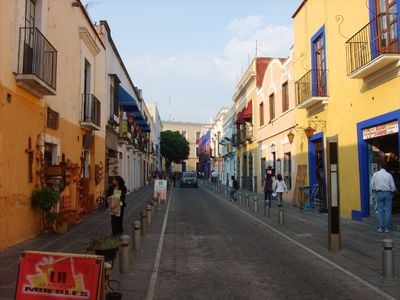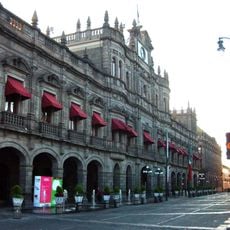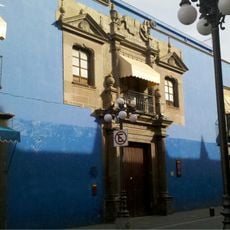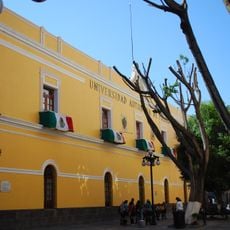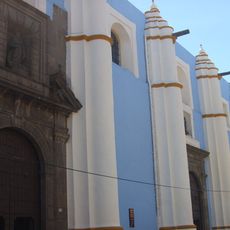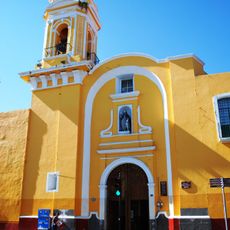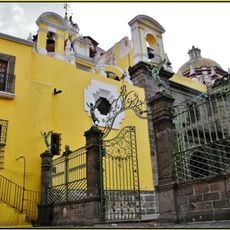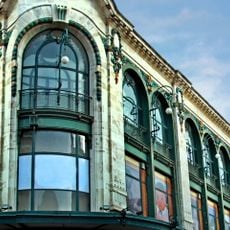
Alley of the frogs, Colonial alley in historic center, Puebla City, Mexico
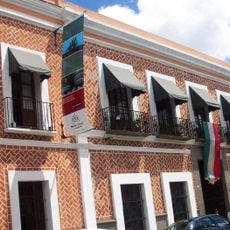
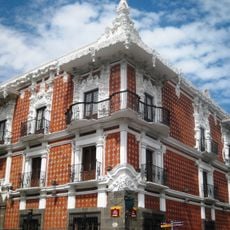
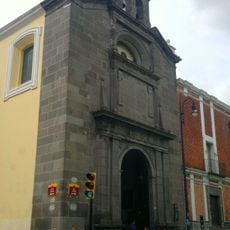
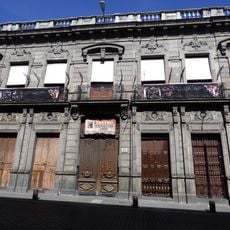
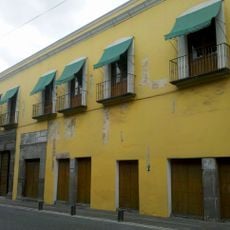
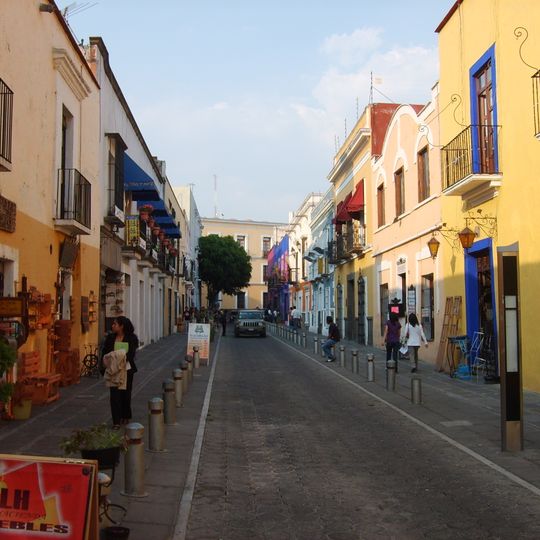
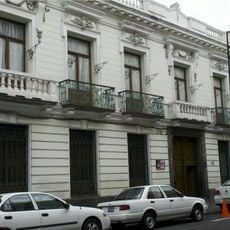
The Alley of the Frogs is a narrow street in Puebla's historic center lined with colonial-era buildings painted in vibrant colors and decorated with ceramic frog ornaments. The structures display typical colonial design elements with decorative details covering doorways and walls.
The alley takes its name from colonial times when water storage facilities in the area attracted numerous frogs. Residents named the location after these creatures, and the name has remained through the centuries.
The alley serves as a gathering place where local artisans and musicians create and sell handmade goods reflecting regional traditions. Walking through, you see people engaged in their crafts, making this a living space of artistic expression rather than just a shopping area.
The alley can be explored during daylight hours, with early mornings or late afternoons being less crowded than midday. Wear comfortable shoes as the ground is uneven, and the space is narrow with tight pathways.
Each shop along the passage specializes in different collectibles, ranging from vintage furniture and old records to traditional pottery and rare books. This variety turns each visit into a personal treasure hunt for unexpected finds.
Location: Puebla City
GPS coordinates: 19.04075,-98.19646
Latest update: December 6, 2025 19:07
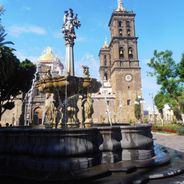
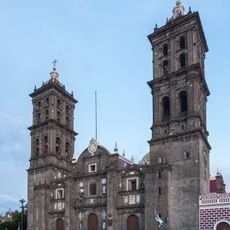
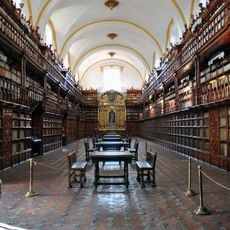
The Puebla region combines colonial history, pre-Columbian heritage, and contemporary culture across a landscape of urban neighborhoods, archaeological sites, and rural communities. The city itself was founded in the 16th century and retains its colonial layout with churches, palaces, and public squares. The Biblioteca Palafoxiana is one of the oldest libraries in the Americas, housing thousands of historical volumes. Casa del Deán preserves murals from the early Spanish colonial period. Teatro Principal de Puebla is among the oldest theaters on the American continent. The Cantona Archaeological Site documents a pre-Hispanic city with extensive stone roads and ball courts. Natural attractions such as the Tulimán waterfalls near Zacatlán or Los Lavaderos de Almoloya show the surrounding landscape. Within the city, several museums address the colonial era, the Mexican Revolution, and religious art. Traditional markets like Mercado El Parían sell local handicrafts and ceramics. Neighborhoods such as Barrio del Artista draw painters and visitors. Parks, gardens, and modern installations like the Estrella de Puebla observation wheel complement the historical offerings.
Puebla Cathedral
306 m
Biblioteca Palafoxiana
322 m
Amparo Museum
215 m
Casa del Alfeñique
405 m
Museo Amparo
209 m
Zócalo
359 m
Municipal Hall of Puebla
370 m
Casa del Deán
409 m
Edificio Carolino
298 m
Ángel Custodio
355 m
Templo de la Limpia Concepción
423 m
El Hospitalito
215 m
Teatro de la Ciudad de Puebla
407 m
Templo del Ex-Hospital de San Roque
275 m
Capilla del Sagrario Metropolitano de Puebla
262 m
Capilla del Arte
384 m
Casa de la Cultura en Puebla
290 m
Saint Jerome Church
108 m
Casa del Marqués
322 m
Our Lady of Solitude Church in Puebla, Puebla
370 m
Monumento al Sitio de Puebla
362 m
Antiguo Banco Oriental
336 m
Puente de Ovando
355 m
Casa Presno
301 m
Iglesia de San Pedro
366 m
Casa de la Palma
113 m
Centro Cultural Espacio 1900
364 m
Antigua Real Aduana de Azogues (Puebla).
334 mVisited this place? Tap the stars to rate it and share your experience / photos with the community! Try now! You can cancel it anytime.
Discover hidden gems everywhere you go!
From secret cafés to breathtaking viewpoints, skip the crowded tourist spots and find places that match your style. Our app makes it easy with voice search, smart filtering, route optimization, and insider tips from travelers worldwide. Download now for the complete mobile experience.
A unique approach to discovering new places❞
— Le Figaro
All the places worth exploring❞
— France Info
A tailor-made excursion in just a few clicks❞
— 20 Minutes