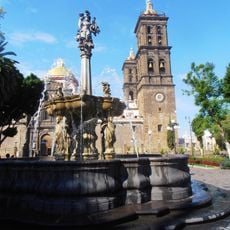
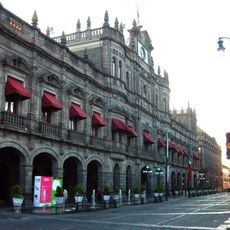
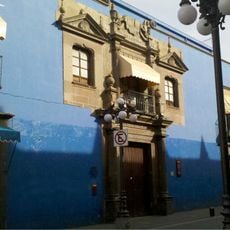
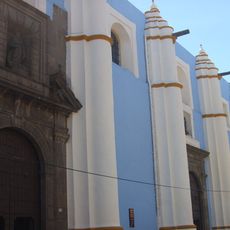
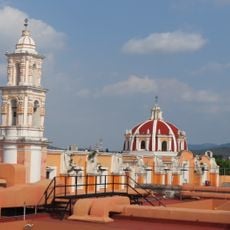
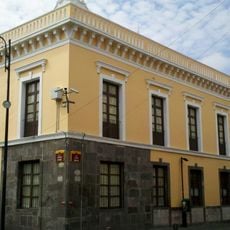
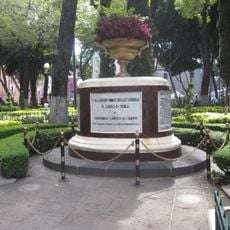
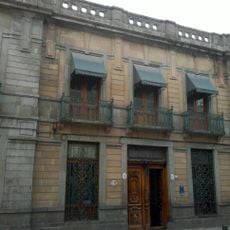
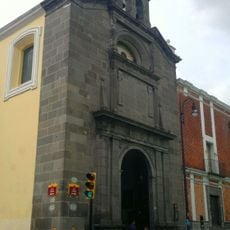
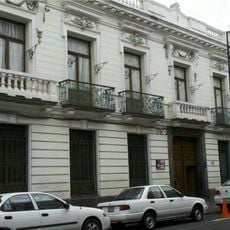
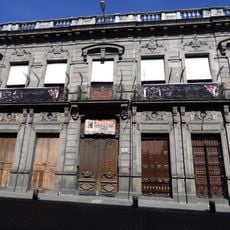
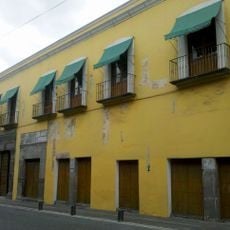
Edificio Carolino, Historical university building in Historic Center of Puebla, Mexico
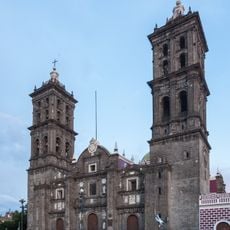
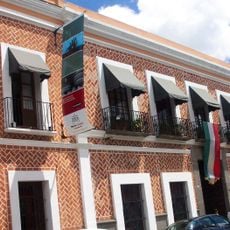
Edificio Carolino is a university building in the historic center of Puebla with four interior courtyards and multi-level galleries surrounding open spaces. Its original layout is Renaissance, with Baroque and Neoclassical elements added in the 18th and 19th centuries. The first courtyard was called the Patio de los gramáticos, where Latin and Greek students rested.
The first structure dates to 1575, designed by the Jesuit Juan Gómez for the Colegio del Espíritu Santo on land belonging to Fernando Gutiérrez Pacheco. The merchant Melchor de Covarrubias funded it and was named founder. After the Jesuits' expulsion, King Charles IV took over the property, renaming it Real Colegio Carolino; the "Carolino" title was withdrawn in 1820 but the name persists.
The name "Carolino" comes from King Charles IV, to whom the college passed after the Jesuits were expelled from New Spain; it was dropped in 1820 but survived in use. The Paraninfo, the main hall, holds a cedar tribune with mahogany veneer, a canopy painting of Thomas Aquinas and portraits of founder Melchor de Covarrubias and Bishop Alonso de la Mota y Escobar.
The building sits in the historic old town and is easily walkable from the main plaza. Keep in mind it remains an active university campus, so some interior areas may have restricted access during classes.
The main staircase is called Los Leones after the stone lions carved into its railings. These lions connect to imagery of Saint Jerome and showcase the stone carving expertise of local craftsmen who worked on the building.
The community of curious travelers
AroundUs brings together thousands of curated places, local tips, and hidden gems, enriched daily by 94,776 contributors worldwide.