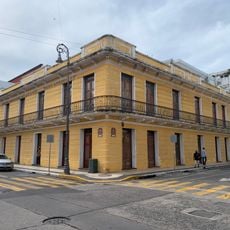
Baluarte de Santiago, Bastion museum in Veracruz, Mexico
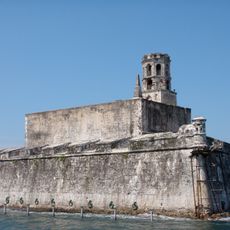
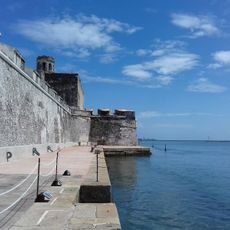
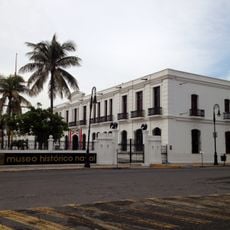
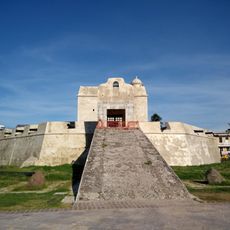
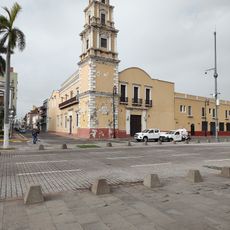
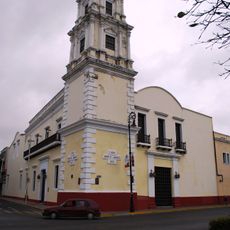
The Baluarte de Santiago is a military bastion completed in 1635, with high, thick walls, located on Francisco Canal Street between Gómez Farías and 16 de Septiembre avenues in Veracruz. It is the only survivor of the nine bastions that formed the city's defensive wall, demolished in 1880. Its basement stored gunpowder for 22 cannons, and the walls facing Vicente Gómez Farías Avenue show bullet impacts from the 1812 execution of insurgents.
Built in 1635 as part of a defensive system, this fortification protected the port of Veracruz from pirates and privateers throughout the colonial period. It later played a key role during conflicts when foreign forces threatened the city.
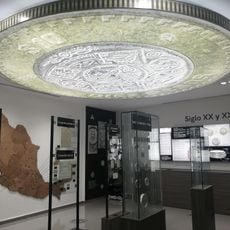
The permanent exhibition Las joyas del pescador shows 42 Mixtec gold pieces found by octopus fisherman Raúl Hurtado Hernández in 1976, about 20 km north of Veracruz, in a colonial shipwreck. The set includes a chimalli, small pots, earrings with turtle heads, bracelets with monkey figures and snake-shaped necklace beads. Hurtado was jailed for looting, then acquitted by the Supreme Court in 1979.
The bastion stands on Francisco Canal S/N, between Avenida Gómez Farías and Avenida 16 de Septiembre, at the southern edge of the old walled city near the Gulf coast. The building was refurbished as a museum in 1990 and opened as the Museo Baluarte de Santiago in 1991. Visitors enter on foot; the thick walls and basement rooms of the powder magazine shape the route through the collection.
The walls along Avenida Gómez Farías still bear bullet marks from armed conflicts in early Mexican history. These scars stand as silent reminders of the city's turbulent past.
The community of curious travelers
AroundUs brings together thousands of curated places, local tips, and hidden gems, enriched daily by 94,449 contributors worldwide.