Cempoala, Archaeological site in Veracruz, Mexico
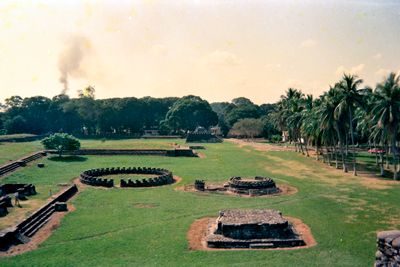
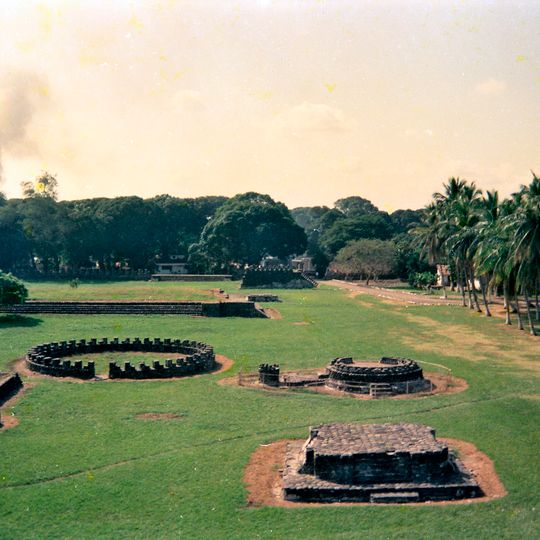
Cempoala is an archaeological site in the state of Veracruz in eastern Mexico with temple compounds and residential areas from the Totonac period. The arrangement of stone structures follows an axis that runs from the main square to the larger pyramids, while lower platforms and courtyards sit in between.
Cempoala was settled at least 1,500 years before the Spanish arrival, with evidence of Olmec influence; the Totonacs moved onto the coastal plain during the Toltec Empire (1000–1150 AD). In the mid-15th century the Mexica of Moctezuma I defeated the city and imposed tribute. Hernán Cortés reached Cempoala in 1519 and met the tlatoani Xicomecoatl, whose complaints led to the alliance at Quiahuiztlan. On 27 May 1520 the Battle of Cempoala was fought here between Cortés and Pánfilo de Narváez.
The name Cempoala comes from Nahuatl Cēmpoalātl, usually translated as "twenty waters", which some link to the city's aqueducts and irrigation channels and others to markets held every 20 days. The site was the political and religious center of the Totonacs, and Mexica rulers called one compound the "Place of accounts" because taxes and tribute from the region were collected there.
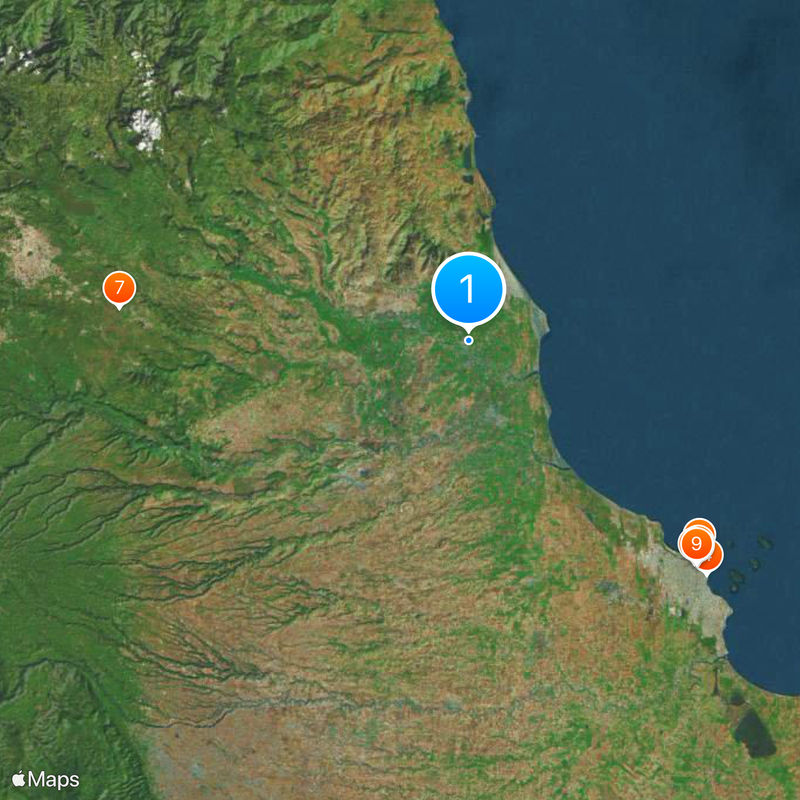
The site sits in Úrsulo Galván municipality about 48 kilometers north of the port city of Veracruz and opens Tuesday through Sunday. Comfortable footwear helps as paths between structures consist of dry grass and loose gravel.
Archaeologists found traces of an underground drainage system that collected and diverted water from different parts of the city. The system used terracotta pipes and carved stone channels that ran beneath the plazas.
The community of curious travelers
AroundUs brings together thousands of curated places, local tips, and hidden gems, enriched daily by 94,631 contributors worldwide.