Huasteca, Cultural region in northeastern Mexico
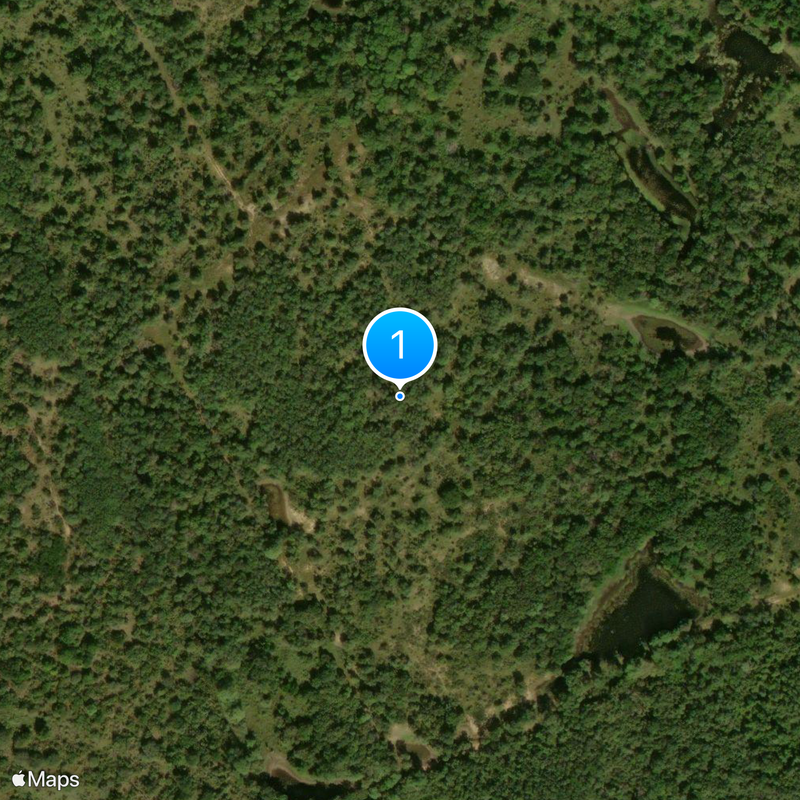
Huasteca is a cultural region in northeastern Mexico that spreads across six states, from the peaks of the Sierra Madre Oriental to the coastal lowlands along the Gulf of Mexico. The land shifts from steep hills and deep canyons to flat fields and river mouths, where waterways like the Pánuco and Tuxpan cut through the terrain.
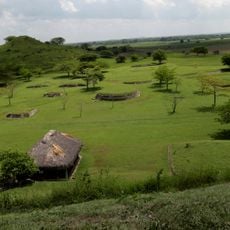
The first settled communities formed here between 1600 and 1100 BCE near waterways and fertile ground. The culture developed separately from other Mesoamerican civilizations and retained its own identity over thousands of years.
The area takes its name from the Teenek or Huasteco people, an indigenous group that has lived here for centuries and whose language can still be heard in villages and local markets today. In the communities, families keep their traditional festivals and dances alive, often tied to farming cycles and the changing seasons.
Those looking to explore the area can take intercity buses between larger towns or rent a vehicle to reach remote spots. Local shared taxis, known as colectivos, run frequently and offer affordable rides to villages and natural sites.
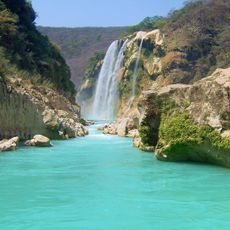
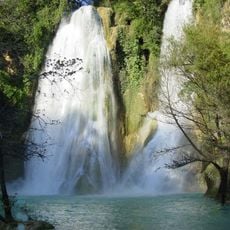
More than two thousand plant species thrive here, including rare orchids and tropical trees that grow in the moist canyons and hillsides. The Tamul waterfall plunges over 100 meters (about 330 feet) and ranks among the tallest free-falling cascades in the country.
The community of curious travelers
AroundUs brings together thousands of curated places, local tips, and hidden gems, enriched daily by 92,767 contributors worldwide.