Rice University, Private research university in Houston, United States
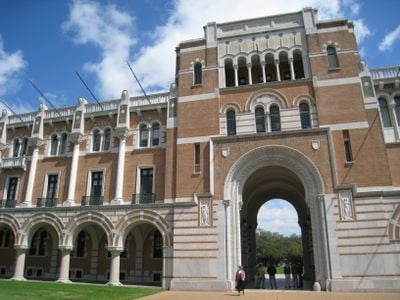
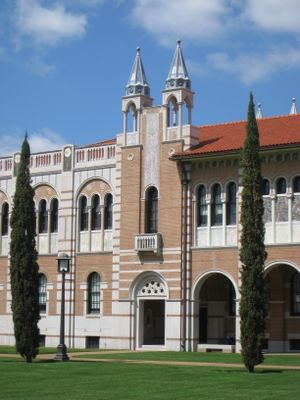
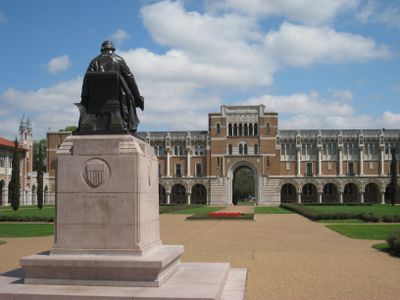
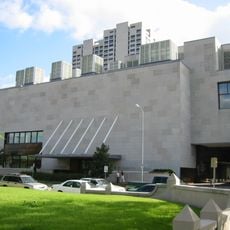
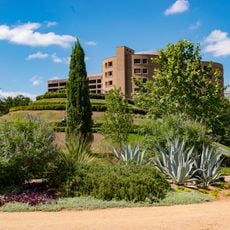
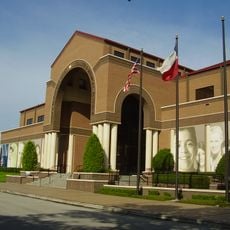
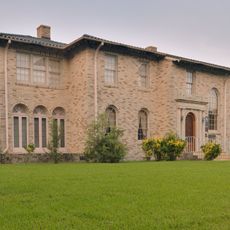
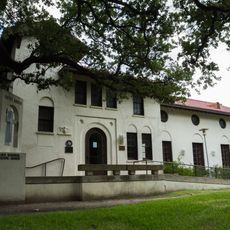
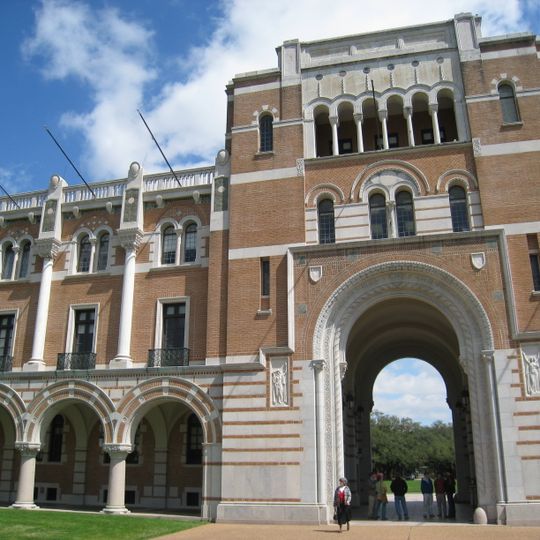
Rice University occupies a large campus with buildings in the Gothic style, research centers, and courtyards connected by paved paths under oak trees. The architecture follows a cohesive plan with arches, arcades, and brick facades that give the campus a unified appearance.
William Marsh Rice founded the institution through an 1891 charter, requesting a tuition-free educational facility that opened to its first students in September 1912. The grounds became home to significant scientific programs and international partnerships in the following decades.
The eleven residential colleges organize their own celebrations, sports events, and meals, with undergraduates identifying strongly with their assigned college throughout their time here. Each college develops its own traditions and rivalries that shape daily life across campus.
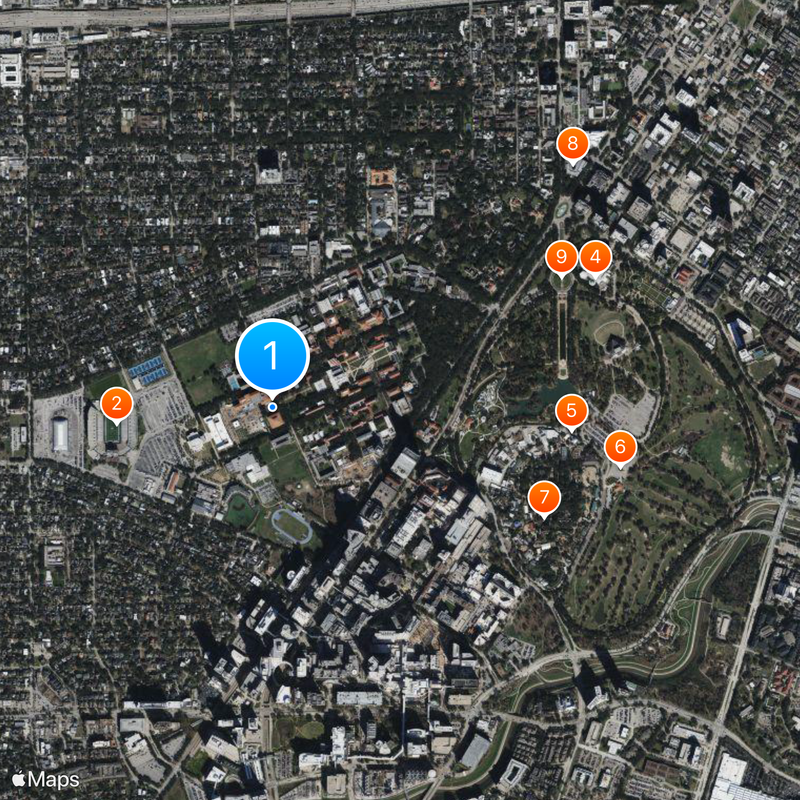
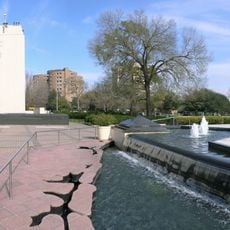
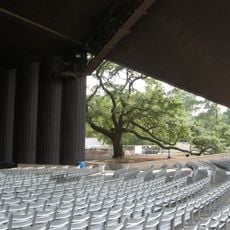
Visitors can walk through the public outdoor areas of the campus, where benches under trees offer resting spots and wide pathways make navigation straightforward. Research facilities are typically not open to the public, but the green spaces and building facades remain visible to anyone passing through.
The institution provided land for NASA Johnson Space Center and played a role in developing the technology for the first artificial heart implantation. Researchers here also contributed to projects in nanotechnology and artificial intelligence that continue to evolve in labs across the grounds.
The community of curious travelers
AroundUs brings together thousands of curated places, local tips, and hidden gems, enriched daily by 92,387 contributors worldwide.